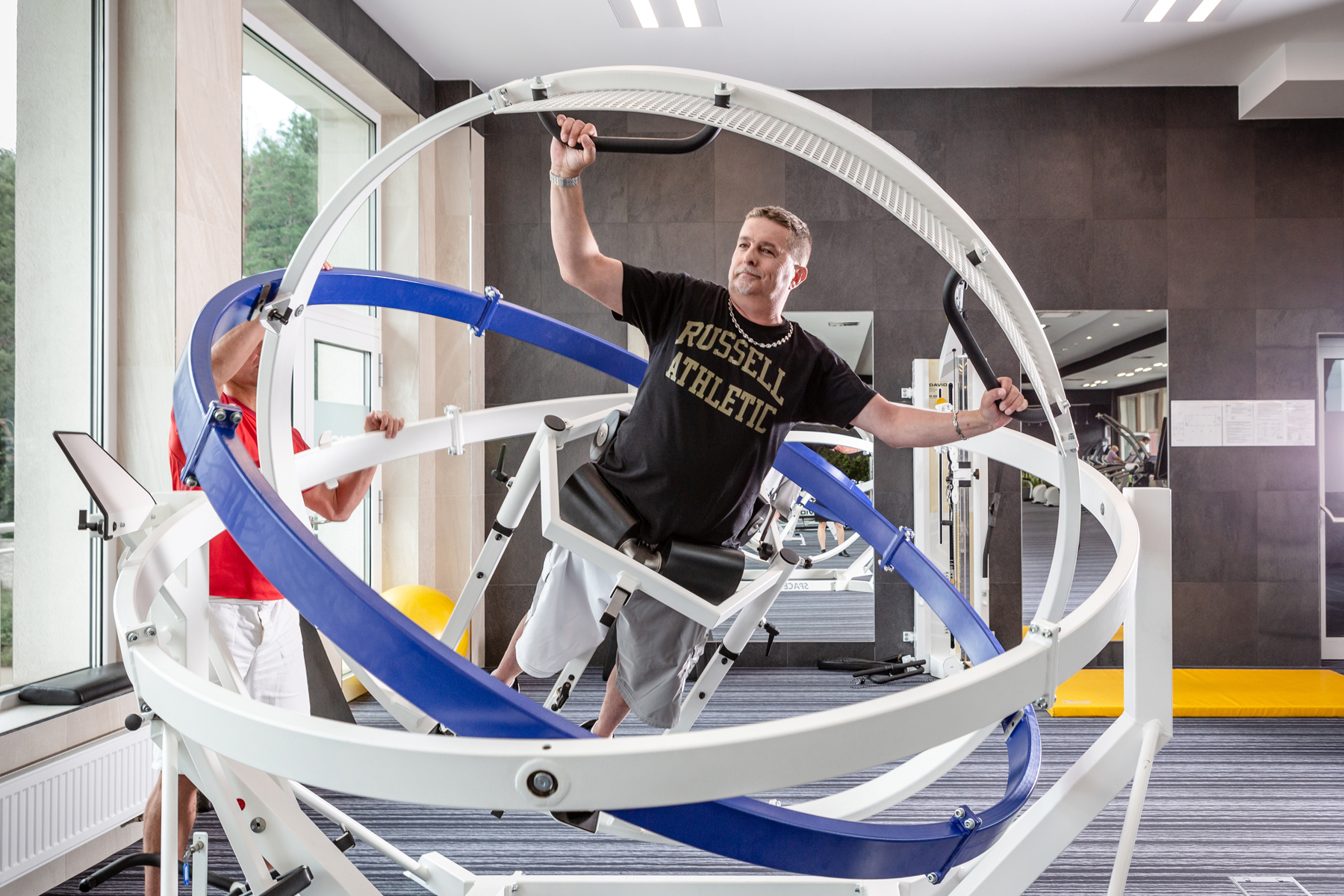
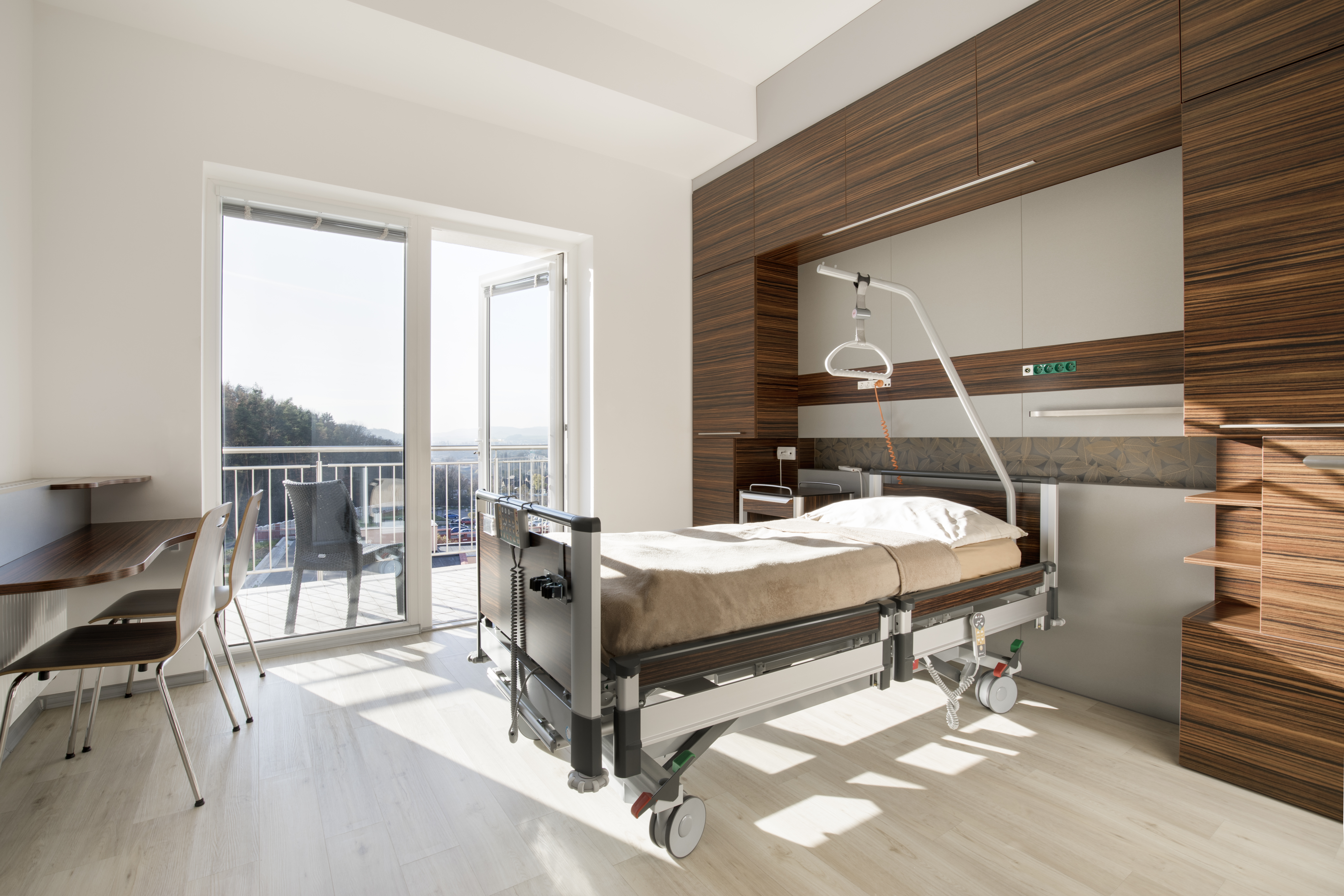
The Rehabilitation Hospital Beroun is a well-equipped facility, one of the best of its kind not only in the Czech Republic but also abroad. It provides early therapeutic rehabilitation of the musculoskeletal system to both outpatients and hospitalised patients. The standard equipment of the rooms for one to three patients is a modern reclining bed, private bathroom, TV and wi-fi connection.
Patients are cared for by a team of qualified medical professionals: rehabilitation physicians, physiotherapists, occupational therapists, clinical speech therapist, clinical psychologist, prosthetist, as well as nurses and other medical staff. The aim of comprehensive physiotherapy care is to eliminate or reduce the patient's disability as much as possible. This will improve his/her quality of life and contribute to full ability to work as well as a successful return to normal and social life.
Patients are booked into the inpatient part of the Rehabilitation Centre on the basis of a properly completed admission form, if recommended. Requests are concentrated at the Centre's secretariat and are reviewed by the Chief physician or his/her deputy. The Rehabilitation Centre has contracts with all health insurance companies.
Not only patients but also the professional public ranks the Jan Calta Rehabilitation Centre among the best equipped and most comfortable facilities of this type in the Czech Republic. Experts from the centre work closely with a number of departments - especially with the Prague clinics in the university hospitals. They participate in important projects, provide professional practice for physiotherapy and occupational therapy students and are accredited by the Ministry of Health of the Czech Republic for teaching in the field.
Documents for accreditation
Due to the staffing and equipment, the Rehabilitation Hospital Beroun can provide medical rehabilitation to a wide range of patients, especially for the following diseases:
1. Orthopaedic diagnoses
Conditions after:
arthroscopic surgeries of the shoulder, knee, hip joints,
unilateral knee arthroplasties,
total knee, hip, shoulder joint arthroplasties
hip prearthrosis operations (femoroacetabular impingement syndrome)
scoliosis
2. Traumatological diagnoses
Conditions after:
joint distortions of the upper and lower limbs
limb fractures and osteosyntheses in the limbs
pelvic fractures and pelvic fracture surgery
polytrauma
3. Neurological diagnoses
Peripheral palsy
Muscular diseases (muscular dystrophies)
Polyneuropathies of various origins (diabetic, inflammatory, hereditary, etc.)
5. Spinal pain of various origins and radicular syndromes
6. Cardiac rehabilitation
7. Rehabilitation after lung transplantation
Physiotherapy
A large team of qualified physiotherapists performs the full spectrum of analytical and neurophysiological procedures, including the most advanced ones. They are used in various combinations for virtually all neurological, trauma and orthopaedic patients, as well as for patients with internal medicine and spinal pain. These methods are used at the Rehabilitation Centre for both outpatients and inpatients.
Within the framework of individual therapeutic physical education we perform the following methods:
Methods on neurophysiological basis allowing to influence the muscle strength of limbs, muscle tension (tone), muscle coordination, also allow to improve the stereotype of walking and stability of standing, this is especially suitable for neurological disorders and diseases. It is also possible to influence the breathing stereotype and lung function, also defective posture, including scoliosis, motor development disorders in children, etc. (We include Vojt's method, Bobath's method, proprioceptive neuromuscular facilitation (PNF), sensorimotor stimulation, dynamic neuromuscular stabilisation (DNS), spiral dynamics, spiral stabilisation according to Dr. Smisek, method according to Feldenkreis, method according to Klapp, Schrott, etc.).
Conditioning and analytical methods are used to increase range of motion, increase muscle strength, exercise with equipment. Suitable for orthopaedic diagnoses (hip TEP) traumatological diagnoses, for muscle weakness.
Training of locomotion and mobility is focused on training of walking and verticalisation of the patient and use of aids (canes, crutches, walkers). Suitable for all diagnoses where the patient has limited mobility and is not fully self-sufficient (e.g. severe stroke, conditions after brain and musculoskeletal injuries)
Patient instruction and retraining includes explanation and practice of the task to be performed by the patient alone or with a family member, without the presence of a physiotherapist.
Supervised exercise on equipment ( motorised exercise bikes, treadmills, etc.) is particularly suitable for orthopaedic (TEP) and traumatological diagnoses (conditions after fractures, osteosyntheses of the limbs)
Exercise on devices with visual feedback ( e.g. stabilometric platform) allows to correct body deviations in a feedback way, and to train the optimal load of the operated limb in standing. It is suitable for post-traumatic conditions, limb TEP of some neurological diseases.
Group therapeutic physical education includes exercises in different size groups under the guidance of physiotherapists. It is profiled according to the nature of the disability (e.g. group for patients with spinal pain, group for patients with neurological disorders). Group exercises are also carried out in water (see hydrotherapy)
We also provide physiotherapy on an outpatient basis for paediatric patients who are referred for rehabilitation , for example, because of faulty posture, scoliosis, flat feet, motor development disorders, or post-traumatic conditions and neurological disorders. For preschool children, a referral from a paediatric neurologist or paediatrician is required.
Occupational Therapy
A separate, modernly equipped occupational therapy department is staffed by qualified occupational therapists. This enables a wide range of important activities to be provided here. Occupational therapy is a medical therapy that aims to achieve the highest possible quality of life of a disabled person, their social integration, the greatest possible degree of self-sufficiency and independence. Occupational therapy takes place, depending on the nature of the disability and the type of activity, either individually or in a group. The most important activities carried out in occupational therapy include:
Activities of Daily Living ( ADL)training, i.e. self-feeding, dressing, personal hygiene, transfers, and automatic skills training
Training of locomotion, stimulation, training of fine motor skills, handgrips, training of graphomotor skills as well as fatal functions.
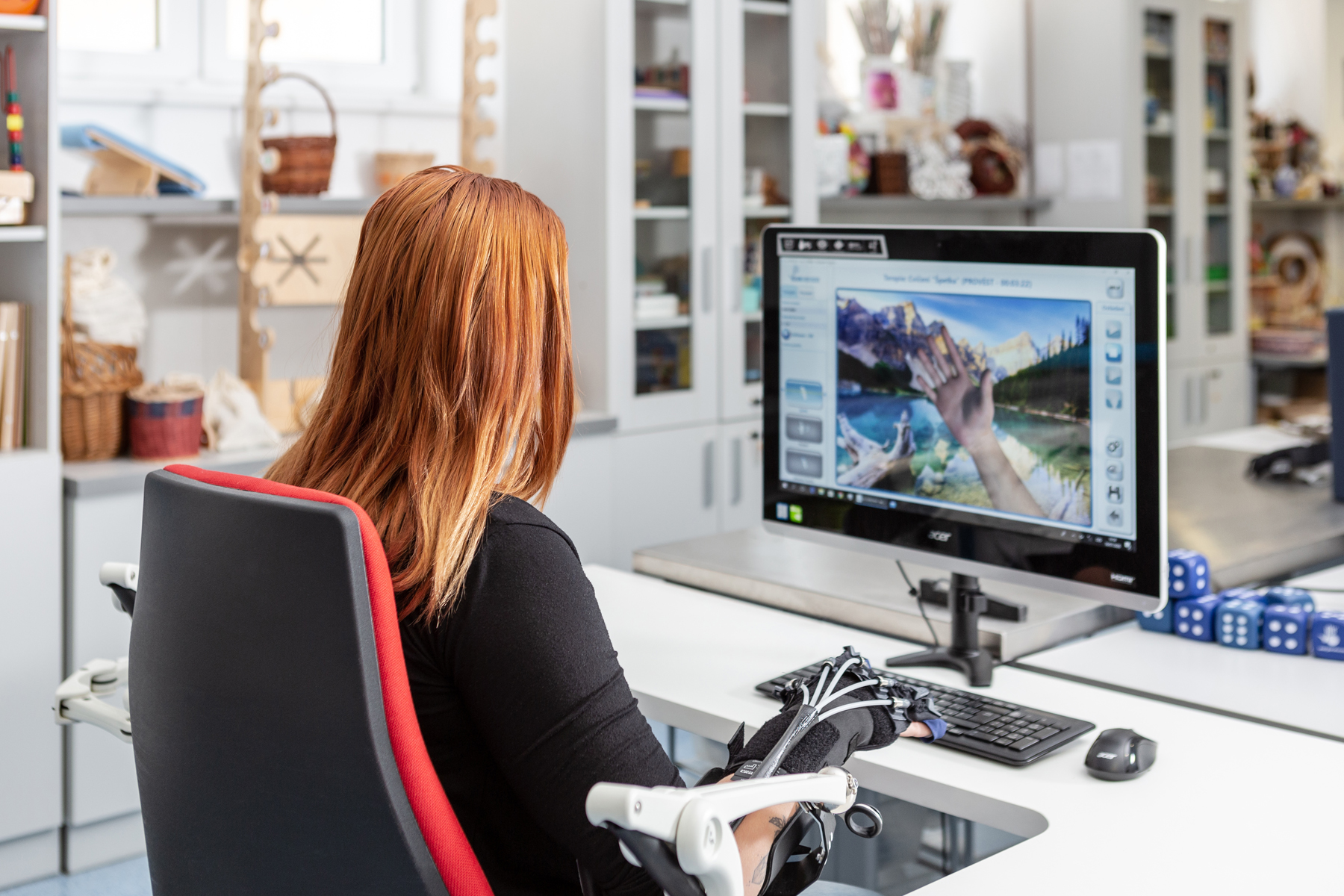
Training of cognitive functions ( memory, attention, etc.) where special computer programs for brain training are also used
Educating patients about the possibility and use of compensatory aids, cooperation with family members, familiarisation with appropriate home furnishings, compensatory aids
Paediatric occupational therapy outpatient clinics for children aged 3 years and older with sensory processing disorders, motor coordination, developmental defects, hyperactivity, attention deficit disorders or autism, as well as for children after injuries, surgeries or with cerebral palsy.
Occupational therapy also uses special tests to assess, for example, self-sufficiency, upper limb function, cognitive function, etc. The occupational therapy department also has an occupational therapy workshop, using various creative activities to improve physical, mental and psychological conditions - with the aim of restoring impaired functions. The workshops train workload tolerance and, last but not least, the integration of the patient into the team.
Physical therapy
All forms of physical therapy are available at the RC and are carried out by qualified staff. We use physical therapy methods to treat various symptoms of neurological, orthopaedic, trauma and vertebrogenic disorders such as musculoskeletal pain, muscle tone disorders, muscle atrophy and paresis, circulatory disorders, limb swelling, etc. Within the physical therapy department, the RC has a number of devices that allow the therapy of the above-mentioned changes.
The following methods of physical therapy are performed in the RC:
Salus Talent
High and low power laser
Magnetotherapy
Instrumental lymphatic drainage
BTL-4940 Premium
Electrostimulation
Ultrasound
Solux
Extremiter 2020
FES for upper limb
VAS 07
Motodlahy, motomedy
Cryotherapy
TR-Therapy
Shock wave (radial)
Super Inductive System
All forms of electrotherapy:
galvanic currents,
diadynamic currents,
interference currents,
transcutaneous electroneurostimulation,
distant electrotherapy
The above mentioned forms of electrotherapy have a wide spectrum of effectiveness - they eliminate pain, improve blood circulation, etc., which is suitable for example for musculoskeletal pain - joints, spine.
Electrostimulation and electrogymnastics are used for muscle atrophy and training of muscle contraction in peripheral giants
Therapeutic ultrasound is used e.g. to relieve muscle tension, improve blood circulation, influence pain
Laser is suitable e.g. to promote scar healing, to influence tendon pain etc.
Magnetotherapy and its various forms - it is mainly used to affect pain (joints, spine)
Shock wave is effective in the treatment of tendon pain, Achilles tendon pain, elbow epicondylitis, heel spurs, shoulder muscle pain, etc.
Instrumental therapy of swelling is used to treat swelling of various origins (so-called vacuum-compression therapy). It is used for neurological disorders, post-traumatic swelling
Thermotherapy is used to relieve muscle tension - suitable before exercise
Cryotherapy (cold therapy) is used to treat pain, swelling, inflammation, promotes muscle relaxation
Paraffin and peat wraps - suitable for warming up
Classical massages help to release muscle tension and affect musculoskeletal pain
Manual lymphatic drainage helps to promote lymph circulation, eliminate swelling and fatigue in the limbs
Some devices allow a combination of some of the above physical treatments to be applied simultaneously, which enhances the effect.
Hydrotherapy
The modern hydrotherapy section is located in the new extension of the centre and offers two pools for group therapy in one part and various options for individual treatments in the other. The larger pool has a water temperature between 28-32 degrees Celsius, a depth of 120 cm and a rehabilitation walkway with a height-adjustable bottom. A counter-current is also used. This pool is mostly used for group exercise, the nature of which varies depending on the diagnosis. The smaller massage pool, with a depth of 105 cm and a water temperature of 36°C, has a system of jets with which underwater massages can be performed. These are mainly used to affect abnormally increased muscle tension and skin reflex changes, often occurring mainly in patients with spinal pain, those with joint problems and some post-traumatic conditions, and the pool is also used for bubble baths, which are suitable for a wide range of disorders due to the overall muscle relaxation they provide.
Another part of the Rehabilitation Centre's hydrotherapy is for a range of individual treatments. For example, full-body whirlpool baths, which have a beneficial effect on reflex changes, chronic swelling of the limbs, post-traumatic conditions and many others, as well as whirlpool baths of individual limbs. Two-chamber/four-chamber baths, the so-called hydrotherapy baths, are indicated for peripheral palsies, neuropathies and the like, while alternating baths, using hot and cold water baths, are very effective for patients with ischaemic disease of the lower limbs. In this part of the hydrotherapy tract, there are also scotch splashes, which are appreciated by patients with vegetative disorders, and the carbonic bath, which is of great importance for patients with vascular diseases, heart diseases and circulatory disorders.
Other devices that help in the rehabilitation of patients
Rotopeds - suitable for improving the range of motion of the joints of the lower limbs, preventing joint contractures and improving fitness
Motomeds - the same use as the treadmills, in addition to the lower limbs it is also possible to exercise the upper limbs, plus the possibility of passive pedalling using motorised pedal drive
Motodlegs for knee, hip and shoulder joints - to improve the range of motion of these joints
Balancing platforms - used to train stability
Apparatus for stability training and verticalisation ( using visual feedback)
Moving walkways - allow training of correct gait, fitness training
Verticalisation tables - use in practising verticalisation
Nipples - gait training for patients with lower limb weakness
Apparatus allowing exercise in suspension (Redcord) - allows to perform movement in relief, which is suitable for neurological, orthopaedic and traumatological patients as well as for spinal pain therapy
Gymnasium with apparatus
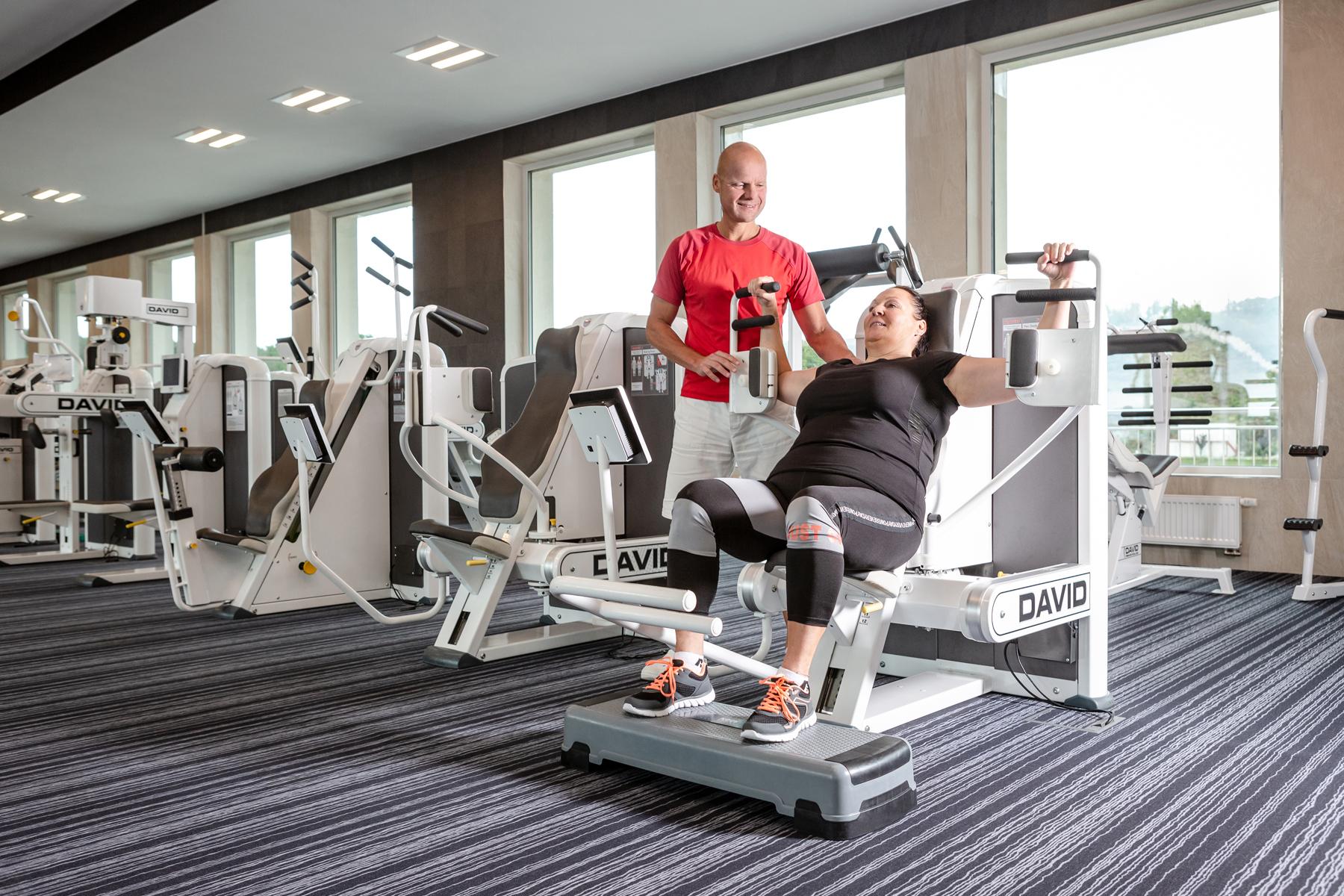
Exercises on the machines are supervised by physiotherapists
DAVID machines
The DAVID exercise machines allow, first of all, to strengthen weakened muscles and create their balance, as well as the unique possibility of testing muscle strength and range of motion directly on the exercise machines. All this is done under visual control on the screen of each machine, under the supervision of qualified physiotherapists. The actual exercise programme is determined based on the tests performed directly on the machines. It is stored on a chip card that guarantees compliance and control of the exercise plan on each device with continuous movement control. Throughout the complex, there are machines that allow the exercise of the muscles of the upper limbs, lower limbs and trunk. The machines can then be used to perform specific exercise programmes to strengthen different muscle groups and also for patients with spinal pain and pain in the shoulder, hip and knee joints. The specific programme and its individual parameters are selected on the basis of the initial test examination of the patient, carried out on David equipment, and are adapted to the nature of the difficulties, the overall health and fitness of the patient.
HUR devices
A set of high quality strengthening machines used in programmes for strengthening the muscles of the trunk, lower and upper limbs. They allow for individual dosage of load and adjustment of the machine by the client on a touch screen. Under the guidance of the trainer, the load and position of each machine is correctly set in the initial individual lesson and stored on the client's chip card.
Cardio zone and relaxation zone
The centre's gymnasium also includes a so-called cardiozone, which houses special treadmills, cycle machines, steppers and also a hand-strengthening machine. It is used both to prepare the body for the load before exercise and to calm down after it. In the relaxation zone of the gym, clients have at their disposal, for example, a dry massage bath VELUS JET, among others with eight combinable variants and the possibility of setting their own programmes, including time and priority for the targeted part of the body.
Kinesiology laboratory
The kinesiology laboratory is used to examine and objectify mobility disorders. The laboratory houses a stabilometric platform - a device designed for testing and therapy of mobility disorders and for assessing the correctness of posture in the gravitational field. The device consists of a swinging plate/platform on which the patient stands, connected to a PC and a monitor. The device's sensor system allows to detect angular movements and applied loads on the swing plate. When the patient stands on the plate, all individual movements of the swing plate are converted into electrical impulses that are transmitted to the PC. The device therefore uses visual feedback, the patient is able to observe the position of his body, the fluctuations of the centre of gravity and the loading of the lower limbs on the monitor, which then allows the deflections of the body and the loading of the limbs to be corrected. The stability platform can therefore be used not only for diagnosis but also for therapy of various movement disorders thanks to visual feedback. The device proves itself in diagnosis and therapy, especially in traumatology and orthopaedic patients, for controlled training of partial loads, training of locomotor skills. It is also used in patients after amputations and in neurological disorders.
Clinical speech therapist
Speech therapy care includes a comprehensive diagnosis of communication disorders, from which a speech rehabilitation plan is based. Communication disorders can be divided into two basic groups. These are dysarthria and aphasia. Dysarthrias are disorders of motor speech production, e.g. speech intelligibility is disturbed. Aphasias are language disorders where speech expression, speech comprehension, reading, writing are affected to varying degrees and extent. Communication disorders also include cognitive deficits. A clinical speech therapist provides therapy for both speech disorders and cognitive deficits. A variety of techniques are used and computer programmes are available, particularly suitable for cognitive deficits. An important element of successful speech rehabilitation is the cooperation of the clinical speech therapist with the patient's family or loved ones. The aim of speech therapy is to improve the patient's communication skills as much as possible and thus facilitate his/her "return" to work and society.
Clinical psychologist
Clinical psychology is an applied discipline that acquires knowledge about the normal functioning of the human psyche and behaviour, which it applies to clinical practice. Psychodiagnostics and psychotherapy are used to do this. Psychodiagnostics is the process of assessing an individual's psychological development (psychological functions and personality), its deviations from the norm, the causes of these deviations, and establishing a prognosis for further development. Psychotherapy includes specific procedures and methods used to correct deviations in the development of psychological functions and personality or to compensate for the psychological state of somatically ill patients. These services are provided by the Mental Health Rehabilitation Centre.
Acupuncture
Acupuncture is a part of Chinese medicine. It is a treatment using needles that are injected into precise points on the surface of the body. These points lie on the so-called acupuncture pathways. A system of energy pathways connects the acupuncture points to each other, and by activating them we influence the functioning of the internal organs and the overall balance in our body. This system originated in China three thousand years ago. In the Rehabilitation Hospital Beroun we treat mainly painful conditions, some neurological diagnoses, allergies, migraines, other diagnoses after consultation with a physician.
Prosthetists and Orthotics
Part of the Rehabilitation Hospital Beroun is the prosthetics and orthotics workplace, located in Building D. This non-state medical facility is the only one in the Central Bohemian Region with its special focus and offers mainly the possibility of making high-quality, individually made limb prostheses, as well as bandages, trunk and hernia belts and orthopaedic inserts. All further information, including opening hours and contact details, can be found at www.protetikaberoun.cz
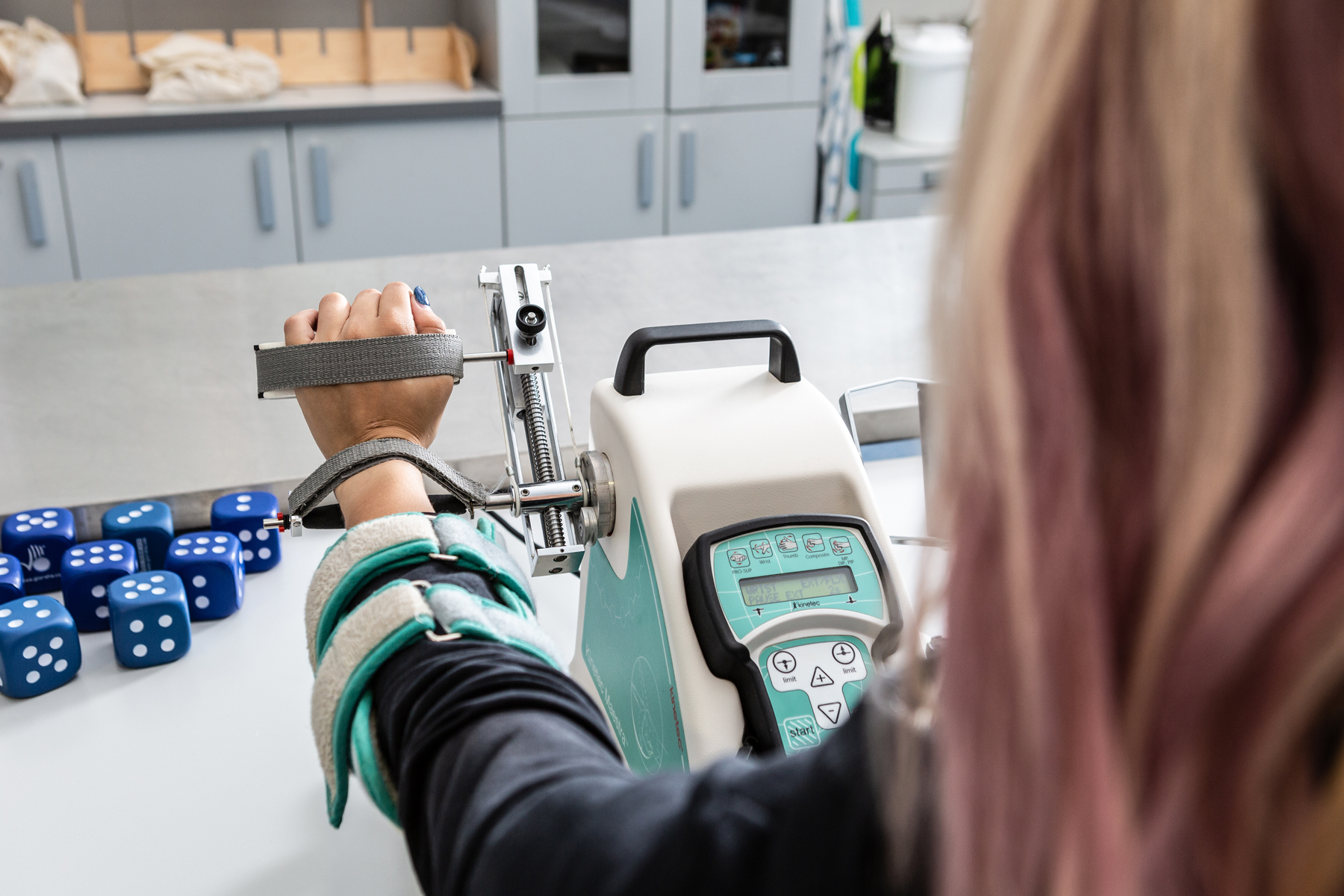
Within our department we use a wide range of modern devices and technologies that support a comprehensive approach to rehabilitation and improvement of functional abilities of our patients. Equipment includes physical therapy, occupational therapy and medical fitness devices incorporating robotic assisted therapy and biofeedback systems (e.g. Alex, Imoove 600, Medior, Thera-Trainer Bemo, VRRS, Spinal Decompression, R-Gait, Gloreha and Myro). We also use physical therapy equipment, a kinesiology lab (isokinetic dynamometer) and a gym equipped with HUR, David and a cardio zone with treadmills, walkers and exercise bikes.
Robotic assisted devices and biofeedback devices:
Alex
Imoove 600
Medior
Thera-trainer Bemo
VRRS
Spinal decompression
R-Gait
Gloreha
Myro
HandTutor
Accommodation
The Rehabilitation Hospital Beroun has 150 beds in single to triple rooms, with their own barrier-free sanitary facilities, modern electrically adjustable beds from a company that belongs to the world's top in this field, with internet access and TV. The single rooms in the newest Pavilion I also have a modern kitchenette with fridge, microwave, kettle and the facilities of a terrace or balcony with a beautiful view. The most demanding clientele will be impressed by the offer of spacious residential apartments, with luxurious designed furnishings down to the last detail.
Financing of the services provided
The health care provided is covered by public health insurance. Procedures and medical treatments not covered by public health insurance have fixed prices. The price list can be found here.
For planned hospitalisation at the Rehabilitation Centre, please report to the Centre office (ground floor of Building E), where you will be directed to the appropriate inpatient ward.
You need to arrive at the time and time you have pre-arranged.
Patients coming from home must bring a physician'snote and an ECG record.
What to bring to hospital:
Documents - ID card, insurance card
Recommendation for hospitalisation
Medication you take regularly, in its original packaging (dispensers are not allowed)
Results of recent examinations
Contact address and telephone number of a family member or relative
Name and contact details of your GP or treating physician
Personal and hygiene items
Pajamas, towel, slippers
Swimwear, towel
Comfortable home clothes for exercise and other physical activities within the rhb
Comfortable and safe shoes for exercise (sandals recommended)
Personal health equipment (canes, crutches, hearing aids, etc.)
Books, magazines
What not to take to the hospital:
Kettles, water spirals
Larger amounts of money and valuables can be stored in the hospital safe
Note to pool-goers:
Due to very strict hygiene standards, we kindly ask visitors not to use lotions, make-up, perfumes and other cosmetic products before planning to visit the pools. Before entering the pool itself, please take a thorough shower and use soap without a swimsuit.
The team of the Rehabilitation Centre wishes you a happy stay and successful treatment.
Superior rooms:
Superior single room, building I
Superior single room, building I
Superior single room, building I2
Superior single room, building D
First week after knee surgery
First week after shoulder surgery
Walking with canes
Instructions for patients who have had lower limb surgery without a brace
Instructions for patients fitted with a knee brace
Instructions for patients with upper limb surgery fitted with an abduction brace
Instructions for patients with an upper limb fitted with a Gilchrist brace
Instructions for upper limb surgery patients fitted with a sling
Apartments
Occupational Therapy
Instrumental rehabilitation
Gym with apparatus
Hydrotherapy
Computer-controlled rehabilitation exercise equipment HUR
Video of the grand opening of the completion of the Rehabilitation Centre June 2015
Lucie Scholzová
Highest education attained
1992 Gymnasium Teplice - graduated with matriculation
1994 Secondary Medical School Teplice - post-secondary qualification study General Nurse - graduated with a high school diploma
Practice in the Rehabilitation Hospital Beroun
- station nurse RC2 - start date: 10/2024
Certificates and specialisation studies
Diploma of specialisation in Intensive Care with the designation of Specialist Intensive Care Nurse.
Certificate of special competence for a narrowly defined nursing activity:
- in acute cardiology and basic ECG for general nurses and paramedics. - care of the haemato-oncology patient - internal quality auditor and risk manager in healthcare - epidemiological nurse

 Česky
Česky