Česky
Česky



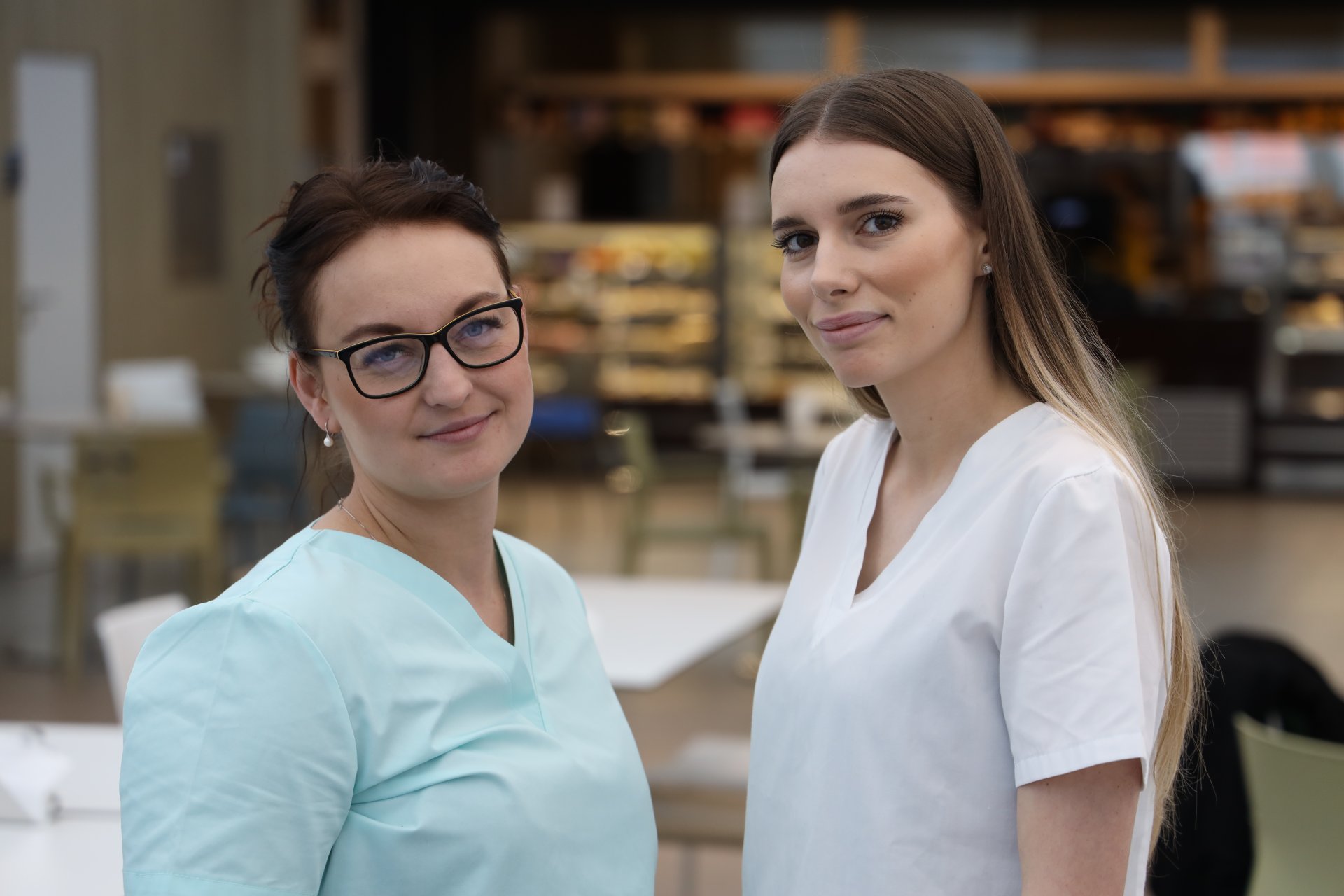
The importance of good eating habits and their interconnection with the quality of mental health is explained by nutritional therapists from the Rehabilitation Hospital Beroun Mgr. Lívia Šupejová and Mgr. Dominika Roztočilová, DiS. The therapists explain what the goals of nutritional therapy are and how a visit to the nutritional clinic is conducted. They also pointed out the stigmas associated with weight in society, the connection between nutrition and alcohol consumption and the role of quality sleep in maintaining a healthy lifestyle.
What is a nutrition clinic and how does it help people with their health?
We are visited by people with weight problems or poor eating habits. Obesity and similar conditions increase the risk of many cardiovascular and metabolic diseases, so most patients come after being referred by a GP, cardiologist or diabetologist. Our role is to guide patients on the path to a healthy lifestyle and good nutrition.
There is a stereotype in society of the 'happy fat person'. Is weight really something we should all be addressing?
Weight-related diseases are classified as diseases of civilisation and obesity is treated as a diagnosis. Everyone's appearance is one thing. Each person's weight, and their food choices, are their business. It is important to note, however, that even if a person is happy with their weight, their body may not always function properly. Obese people often have elevated cholesterol, higher blood pressure, and many other comorbidities.
Can a person's weight also be considered a sure indicator of the quality of mental health?
Nutrition and mental state are very much linked. If a morbidly obese patient comes in and lacks the motivation to lose weight and is happy even though his condition does not allow him to live a full life, psychotherapy needs to be involved. Mental well-being is strongly linked to the phenomenon of overeating. We recently had a morbidly obese patient in our counselling room who told us that he had no motivation to do anything about his weight. We tried to refer him to psychotherapy, but he refused, saying that there was nothing for him to do there. The gentleman cannot walk and has to be on crutches as his hips can no longer support him. This behaviour is more like controlled self-destruction.
So there's no need to be scared, eating stress is a normal reaction?
Yes, it's a natural mechanism. Certainly not something we should blame ourselves for. It's an indicator that something's wrong with us. We tell people all the time that they should be kinder and more sensitive to themselves and deal directly with the causes of stress, not eat it. Current research reveals that weight is indeed related to the quality of lifestyle. Many obese patients are even malnourished.
How is this possible?
To function properly, the body and individual organs need to take in energy every day, which we call basal metabolism. Some obese people have a caloric intake below their basal metabolism. Their body is therefore in a "reduced metabolism" mode. Their body learns to store everything we take in as it builds up reserves in case even more hunger comes.
Nowadays, people have trouble being authentically kind to themselves. It's something we often can't quite do naturally, but it's something we have to learn to do. Do you help people in nutrition counseling to improve their mental attitudes around food?
People often don't want to see that their weight issues reflect the state of their mental health. They don't want to confront their problems and only see professionals when it's too late.
Can I come to you for advice even if my weight is normal? Do I need a doctor's note?
Yes, it is good to have a doctor's note. If you do not have a doctor's note, you must pay for your visit to the nutrition clinic as a self-payer.
It is difficult to distinguish which nutritional advice is based on facts and which is not. We are overwhelmed with conflicting information or misleading advertisements from various diet scammers. Who can people trust?
Education is very important. Today, for example, many people believe the advice of various charlatans who are not experts. Nutrition advice helps people to get to know their diet, but it should be pointed out that there is never a clear and simple guide, there is always work behind it. It's about long-term sustainable habits that should last a lifetime.
Is there such a thing as a healthy weight for everyone?
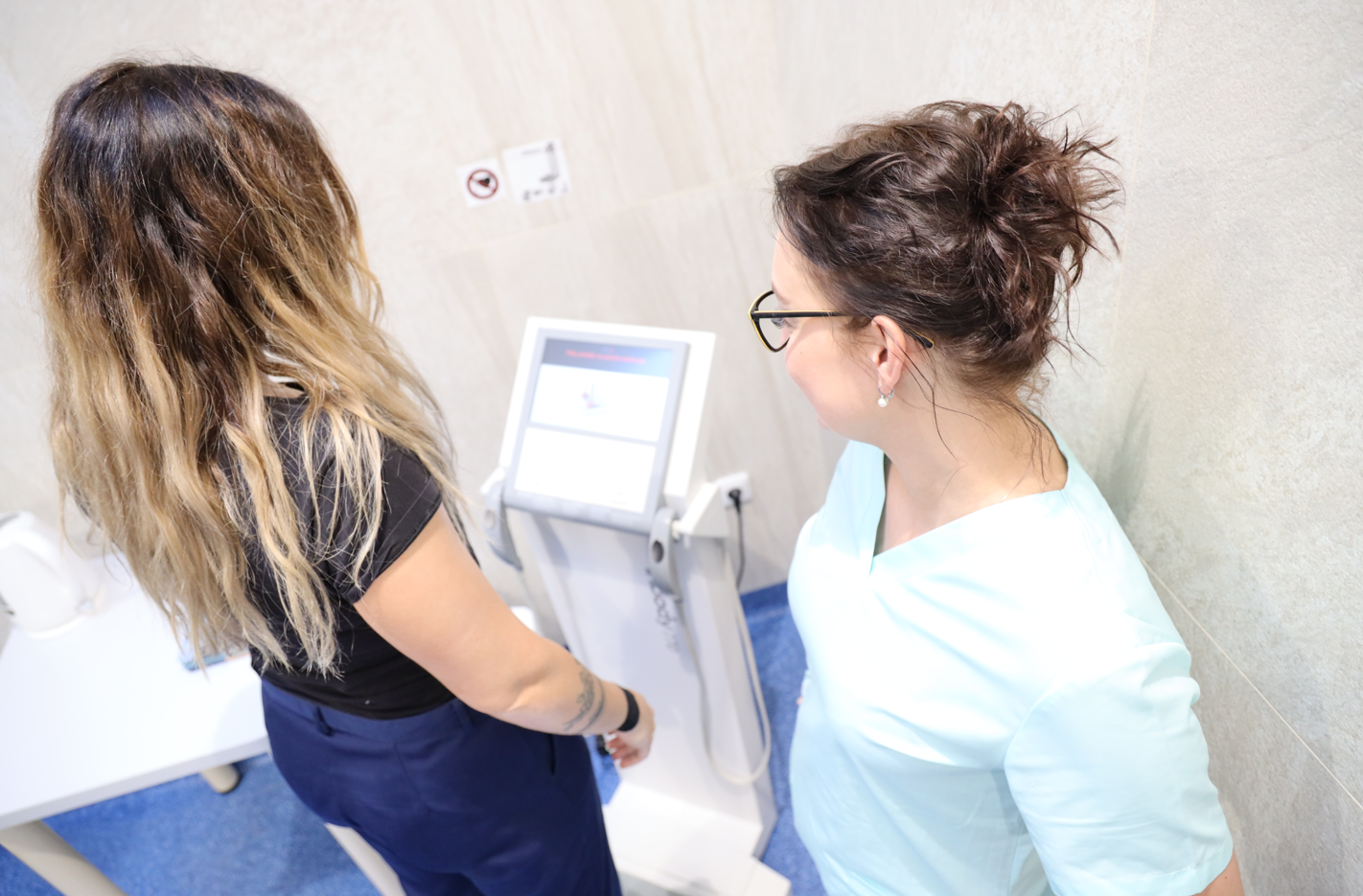
Yes, we use different formulas for this, but they have to be tailored individually. The often mentioned BMI (note Body Mass Index) is not completely relevant. It relies only on the number on the scale and does not take into account the higher proportion of muscle tissue. In the nutrition clinic we use the InBody device, which diagnoses body composition. InBody can evaluate the amount of muscle and fat tissue and water. And a number of other data such as the amount of visceral fat, which is related to the risk of metabolic diseases, the amount of minerals in the body or the level of our basal metabolism. According to this we are able to judge how fit the body is.
So nutritional therapy helps to get a sense of where my body really is.
And at the same time we get advice on what one can do for oneself to have a better quality of life and be more satisfied with oneself. We would also recommend nutritional therapy to people who just want to ask questions. It can be a one-off, it doesn't have to be a commitment at all. People come to us who want to lose weight and feel they are not losing weight. But then they step on the scale and we find that the fat is going down and the muscle is going up, so the weight doesn't change. A healthy or unhealthy lifestyle can also be monitored on blood tests.
What do you think is the biggest nutrition and diet trap of this era?
The big pitfall is social media in general, where non-experts spread various myths about nutrition. Non-experts like to promote different detoxes and cleanses, which people hear about because everyone wants to feel fresh and clean. However, the body can clean itself, it does not get contaminated by any plaques or parasites, so detoxes are complete nonsense. The key is a varied, balanced diet.
What do you mean by that?
Good quality, fresh food. In the Czech Republic and Slovakia, people don't eat optimally. Our meals are too fatty, contain too little fibre and too many simple carbohydrates. In addition, we are used to drinking large quantities of alcohol, especially our beer, which does not help our health at all.
So a drastic change of habits is not always necessary, just start with better food choices and eating regularly?
Exactly. Eating regularly maintains optimal blood sugar levels. This avoids unnecessary glucose spikes and cravings for sweets.
Turning to alcohol, is there any consensus on its consumption?
The WHO says that zero grams of alcohol is safe to consume, so it is optimal to avoid alcohol altogether. If we do drink, it is a good idea to try to limit our alcohol consumption. For example, have a wine spritzer instead of wine. We addictionologists are sensitive to myths like "one drink a day is fine". Alcohol is a toxin, harmful to our bodies, especially the liver and brain, so it is best not to consume it at all. At the same time, we are all only human, so there is no need to beat ourselves up for having a glass of wine with dinner once in a while.
When does one know when one is addicted?
We distinguish between psychological and physical addiction. Physical addiction is influenced by neurotransmitters and chemical reactions in the body. Psychological addiction occurs much earlier. Using alcohol as a means of relaxation after a stressful day at work is the first warning sign. It's a mental adjustment. If I need alcohol to relax, it's wrong. On the other hand, it is an exaggeration to blame yourself for consuming alcohol at a party or similar event.
What do you think of dry February challenges? Is successfully completing Dry February proof that one is not addicted to alcohol?
If a person finds it difficult to go a month without alcohol, this is obviously not a direct sign of addiction. One needs to be kind to oneself and think about why alcohol is needed to relax and how often.
So what is a good substitute for sugar or alcohol?
The most important thing is prevention, so that we don't have to get into this state in the first place. Looking after your mental health, being able to take time for yourself, going for a walk and thinking. Our society is still dominated by a "go for performance" mindset that makes us neglect our needs at the expense of work. The fact that we tend to overeat has a lot to do with the fact that we don't pay enough attention to ourselves and something is weighing us down inside. And if we attend to our emotions and our experience and are honest and authentic with ourselves, those pressures won't arise. Today, many of these kinds of problems are considered normal, when they are not normal at all.
How is good sleep related to nutrition and metabolism?
Sleep is especially important in weight loss. Optimally, we should sleep for seven to eight hours, as the brain and muscles regenerate during sleep. It contributes to the proper functioning of the body in general.
What about the ideal size of each meal during the day? For example, is it appropriate to eat large dinners?
It is not good to overeat with any meal. It is best to spread the individual meals in a balanced way throughout the day. We don't need large portions for the body to function properly; the nutritional value of the food is much more important. Each main meal should contain a good source of protein, complex carbohydrates, suitable fat and plenty of vegetables.
What is an example of such a meal?
Good quality lean meat, with a side dish such as potatoes, wholemeal pasta and a large portion of vegetables.
We should also eat at least 100 to 200 grams of fruit during the day, which is roughly equivalent to one portion.
Does it depend on your job?
People in physically demanding jobs have a higher energy expenditure, so it is advisable to adapt your diet accordingly.
Sometimes it is difficult to navigate one's own feelings of satiety, hunger and sweet cravings. How is this possible?
It makes a big difference how quickly and how perceptively we eat. Often we're watching TV or on our phones when we eat, so our brains register food after a delay. When it comes to cravings, it's important to maintain the right ratio of carbohydrates and protein in the diet. People most often lack protein, which is what causes the aforementioned cravings.
So one is supposed to enjoy the food, focus on it and do nothing else?
Yes, we mean that at lunchtime we devote our attention to the meal and do not distract ourselves or do other things around it, focusing our attention only on the activity at hand. When a person just shovels food into himself quickly, it is a sign that he is not paying enough attention to himself. But then again, it is not appropriate to focus only on food and count calories all day long. The golden mean.
Do you also see a problem in nutrition and diet in terms of how society works and how the system is set up?
Subjects such as Health Education and Science are taught in primary schools, but we think there are reserves in the amount of information given or the time allotted for this subject, and certainly various other seminars on body care and health could be incorporated. Most people don't know how metabolism works or the basic principles of weight gain and weight loss.
In conclusion, what do you think is most important in the journey to a healthy lifestyle and in cultivating healthy eating habits?
It is important to do it for yourself, for your own health and satisfaction. Not to please others. We need to learn to be kind to ourselves, take more time for ourselves and think about the causes of our eating deviations. It is also important to experience food consciously. Many people who switch to complex eating begin to feel that they suddenly have a lot more energy. Improper diet as well as inadequate sleep negatively affects the immune system and contributes to various civilization diseases.
Appointments can be made through the hospital reception.
Tel.: 311 745 272, 144 99