Česky
Česky


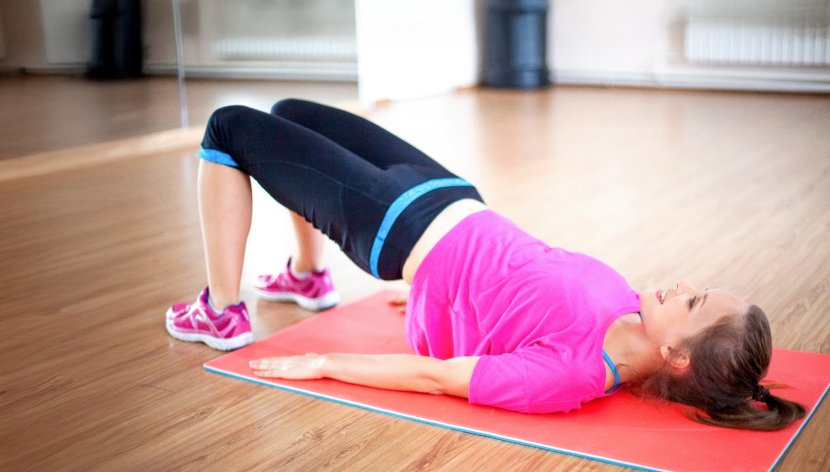
The main functions of the pelvic floor
The pelvic floor consists of a complex of muscles and ligaments that form a kind of support for the organs located in the small pelvis - the bladder, uterus and rectum. In addition to this supporting function, it also contributes to posture (postural function), provides continence (sphincter function), influences sexual experience and plays an important role during and after childbirth.
When the pelvic floor stops listening
Pelvic floor dysfunction can lead to a range of unpleasant difficulties and does not avoid men or women. The most common symptoms can be urinary incontinence, pelvic pain, indigestion (e.g. constipation), pelvic organ prolapse (prolapse) or sexual dysfunction. In extreme cases, weakening of this area can also contribute to infertility. In addition, the pelvic floor may be weakened as a result of gynaecological or urological surgery.
"In women, pelvic floor problems can begin during pregnancy, when this area is subjected to greater stress. From the 38th week of pregnancy onwards, it is possible to start targeted pelvic floor exercises to prepare for childbirth. The ability of the woman to consciously work with this area, relax it and actively engage it, plays a key role in the birth itself. Not only is the strength of the muscles important, but also their flexibility and coordination with the movement of the pelvis. After giving birth, it is advisable to rehabilitate this area gently, ideally under the supervision of a physiotherapist specialised in urogynaecology," explains the physiotherapist of the Beroun rehabilitation centre, Bc. Tereza Procházková.
Gentle yet effective rehabilitation
The physiotherapists at the Beroun hospital use various proven methods in physiotherapy. "The most commonly used methods include the Ludmila Mojžíšová method, the PPA concept or the GROOFY system. The therapy focuses on basic functional training of the pelvic floor, which includes the development of strength, endurance and the ability to relax these muscles," says physiotherapist Marie Šroubková, DiS., who also rehabilitates patients with weakened pelvic floor in Beroun.
Prevention is essential
However, a healthy pelvic floor can be maintained by prevention, namely regular exercise, a varied diet, sufficient sleep and drinking, but also by taking care of mental well-being. If you have any doubts about its proper function, it is important to consult a specialist - a gynaecologist, urologist or physiotherapist.