Česky
Česky


How large a group do these patients represent in your centre?
In the last two or three years, after the capacity of our centre has been gradually increased, we sometimes have ten or even fifteen stroke patients at the same time. That's about 150 to 200 patients a year. Our centre provides what is called early medical rehabilitation, so we should generally see patients as they finish their stay in the acute care wards. That is why we also take patients after vascular events most often straight from neurology or other acute wards after their condition has stabilised. In this respect, we have a good cooperation with some large university neurological clinics, but we also have a very good cooperation with the neurological department of Hospital Hořovice and some other departments in the Central Bohemia region. Rehabilitation is already started at these centres after the patient is admitted. We then follow up this treatment in our centre.
How do these patients get to you and how long are they hospitalised?
Patients are most often admitted on the basis of a written request - a special form available on our website. We try to keep appointment times with us as short as possible, which is sometimes not easy. Unfortunately, we also occasionally accept requests for patients who are, for example, more than one year after a stroke and have severe and permanent disabilities that are unfortunately no longer controllable by rehabilitation. However, these patients are more likely to be in a so-called aftercare rehabilitation unit, an aftercare ward or a long-term care facility, where they are usually able to receive appropriate care. Occasionally, we are also approached by family members who are no longer able to care for the patient at home. Otherwise, stays with us are most often three weeks, rarely longer.
What is the modern diagnosis and therapy for stroke patients?
Comprehensive care for patients after stroke should be provided nationwide by the so-called "comprehensive cerebrovascular centres" and "ict centres", a network of which has been built in the Czech Republic for this purpose and this system of care has proved to be fully effective. Already in these centres, which are concentrated mainly in university or regional hospitals, early medical rehabilitation is initiated. It is important to bring patients after a vascular event as soon as possible to these centres, where they are able to carry out complex diagnostics and appropriate follow-up therapy as quickly as possible. This requires a collaborative team of specialists (e.g. an ARO physician, a neurologist, an interventional radiologist, possibly a neurosurgeon and other specialists). Ideally, the post-stroke patient should reach a specialist centre within 4-6 hours of the stroke. Diagnosis is then based on imaging (CT, MRI of the brain, angiography). These methods reliably demonstrate whether there is ischemia (anaemia) or hemorrhage (bleeding) and also reveal which area of the brain has been affected, to what extent and severity. The mainstay of therapy for ischaemic vascular events is intravenous thrombolysis (which, in simple terms, is the dissolution of a blood clot in the relevant blood vessel), and this should be carried out within 4 hours of the onset of the event, or within 3 hours of the event. Various recanalisation procedures are then also performed to restore flow through the vasculature (which is performed by an interventional radiologist), especially if thrombolysis has not been successful. In cerebral haemorrhage, where the prognosis is usually less favourable, surgical removal of the haemorrhagic lesion must be performed in some cases. In specialised centres, appropriate rehabilitation is already carried out soon after the patient is admitted. This must begin in the neurological intensive care unit. Inadequate or incorrectly carried out rehabilitation in these early stages of stroke usually has a negative impact later on. Fortunately, this is happening less and less frequently.
How is this group of patients cared for at your Rehabilitation Centre and which staff members are involved in their care?
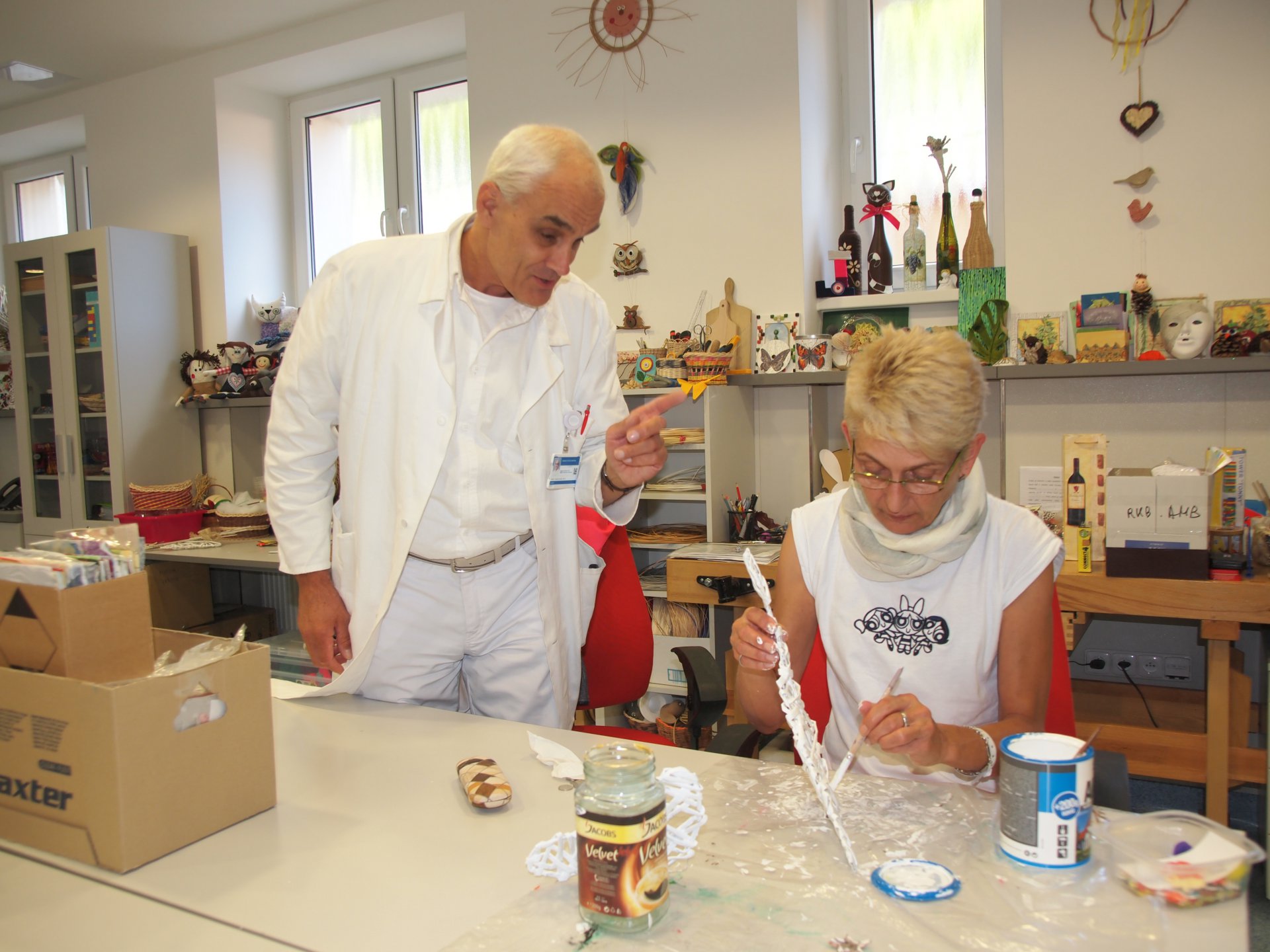
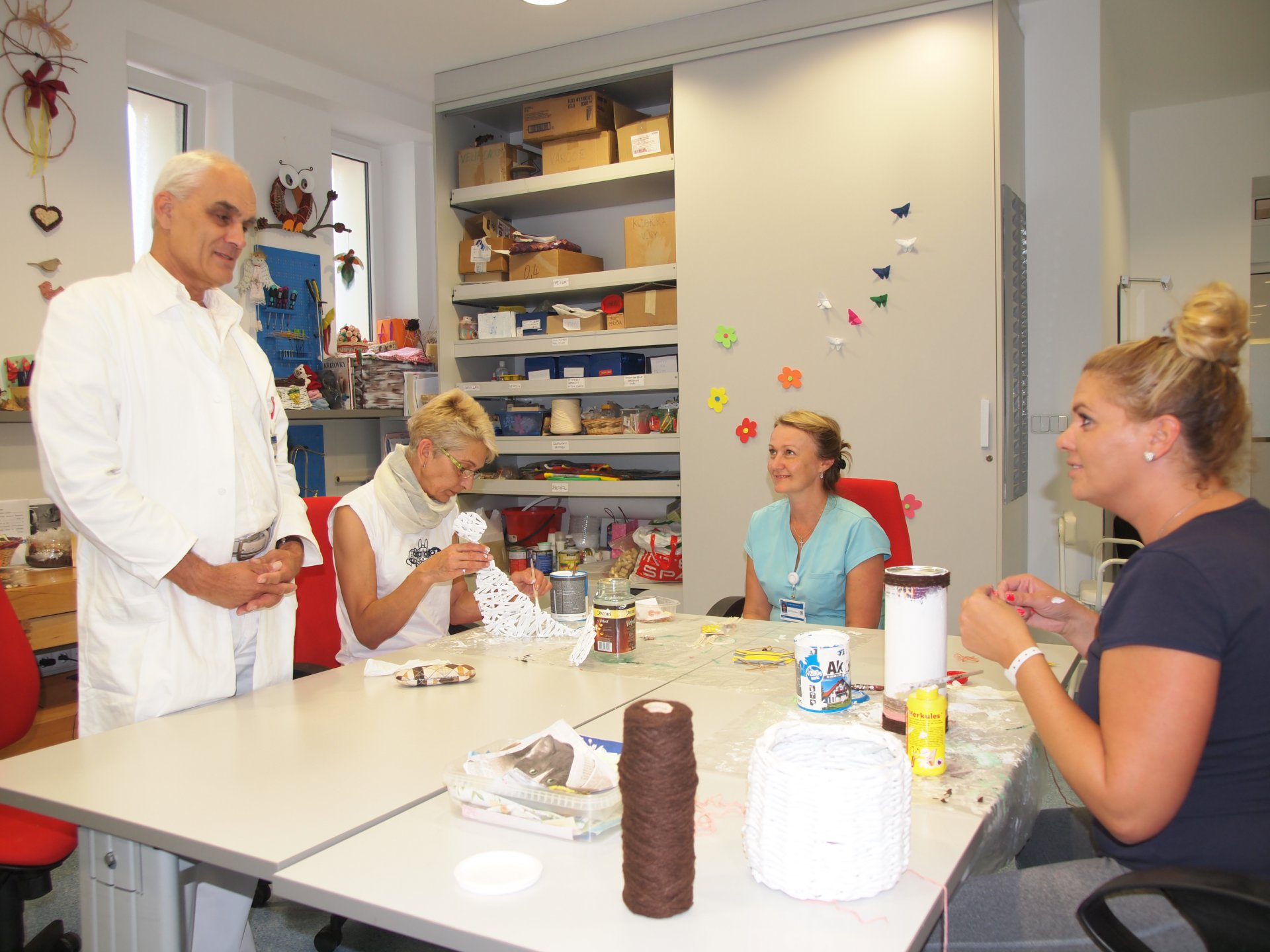
Thanks to the helpfulness of the hospital management and the owner of the hospital, Ing. Zavalianis, we are currently very well prepared for the rehabilitation of patients after vascular events, both in terms of personnel and equipment. Patients are cared for by a team of staff, which always includes a rehabilitation physician who coordinates care, a physiotherapist, an occupational therapist, often a speech therapist if the patient has speech and understanding disorders, often a psychologist is needed, and often we also need a prosthetist. The care of middle and lower medical staff, i.e. nurses, orderlies and nursing staff, is very important. Without their work, physically and mentally demanding, it is impossible to provide adequate care, especially to patients after severe vascular events. The social worker is also indispensable. The work of all these workers is, of course, interconnected, and they must continuously exchange information about the patient's health and current needs.
Do you also use any devices in your rehabilitation?
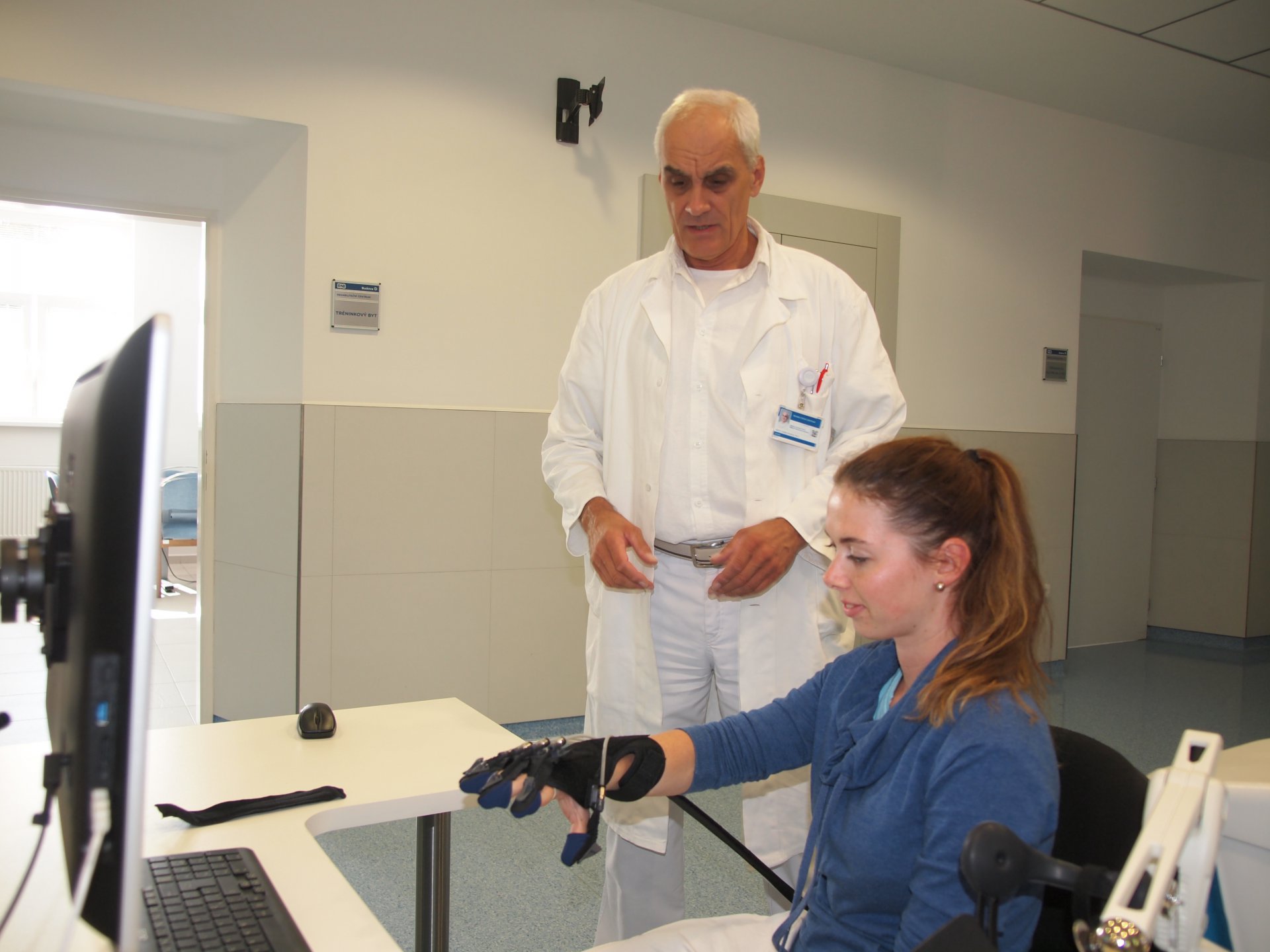
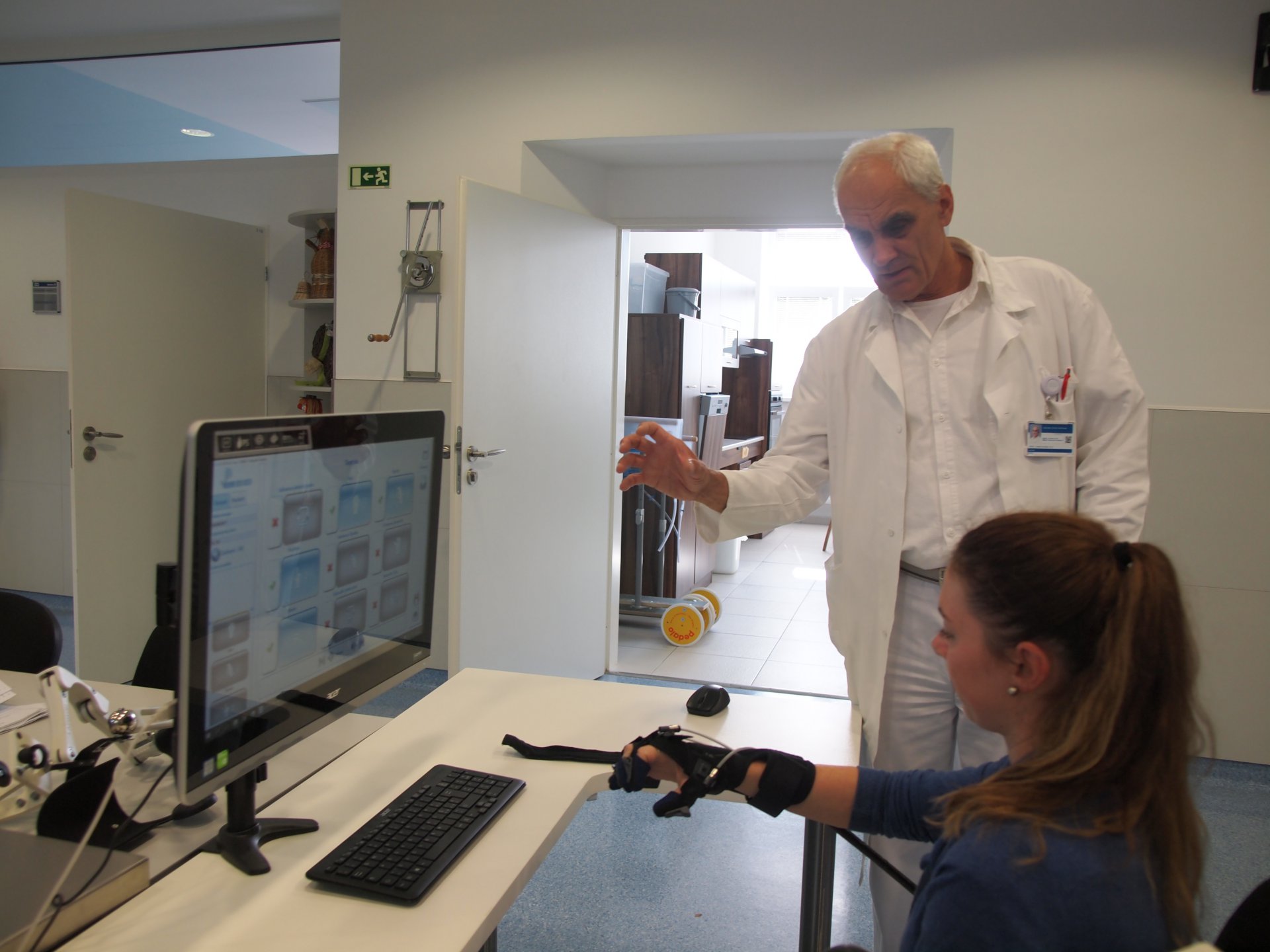
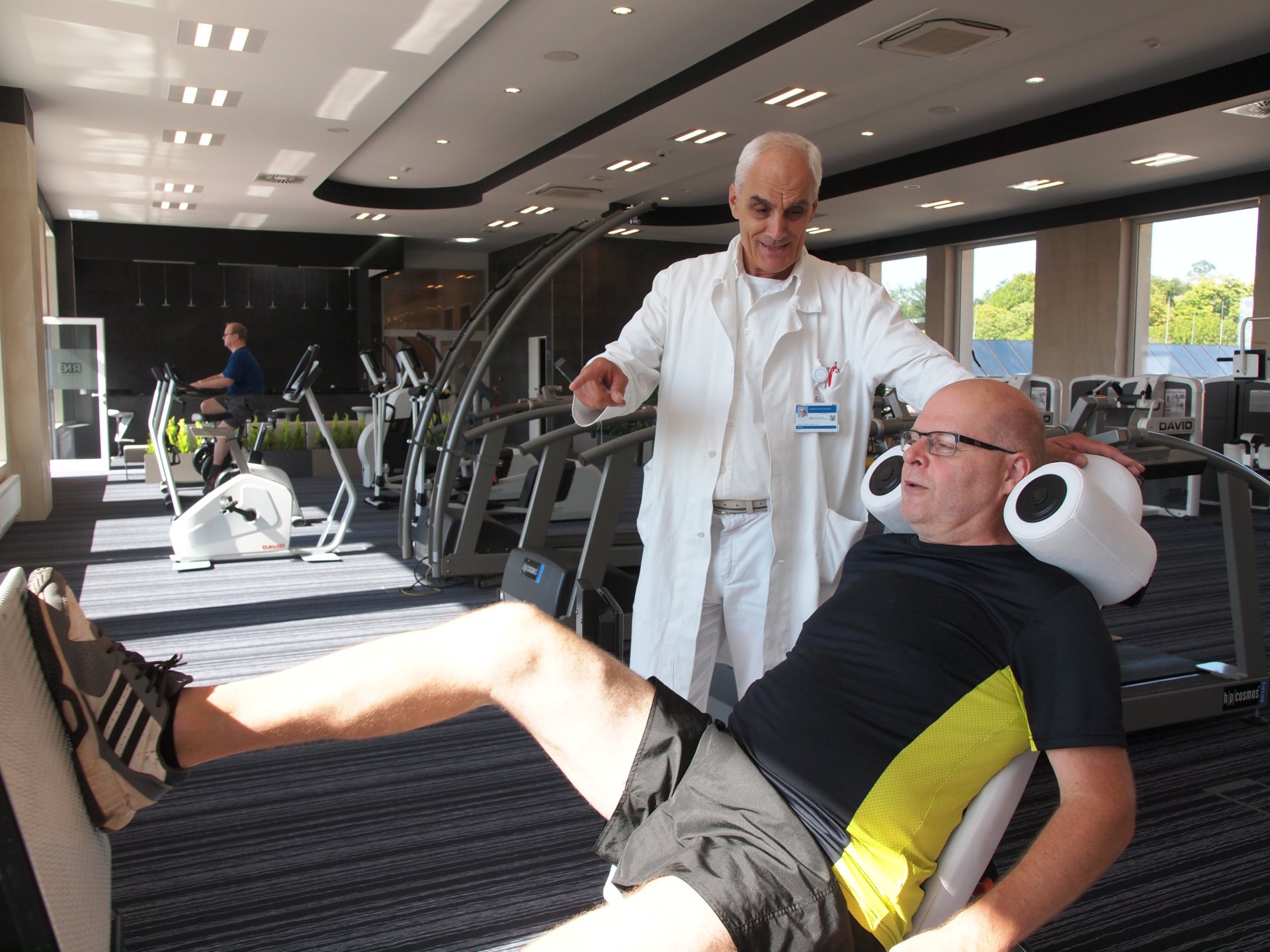
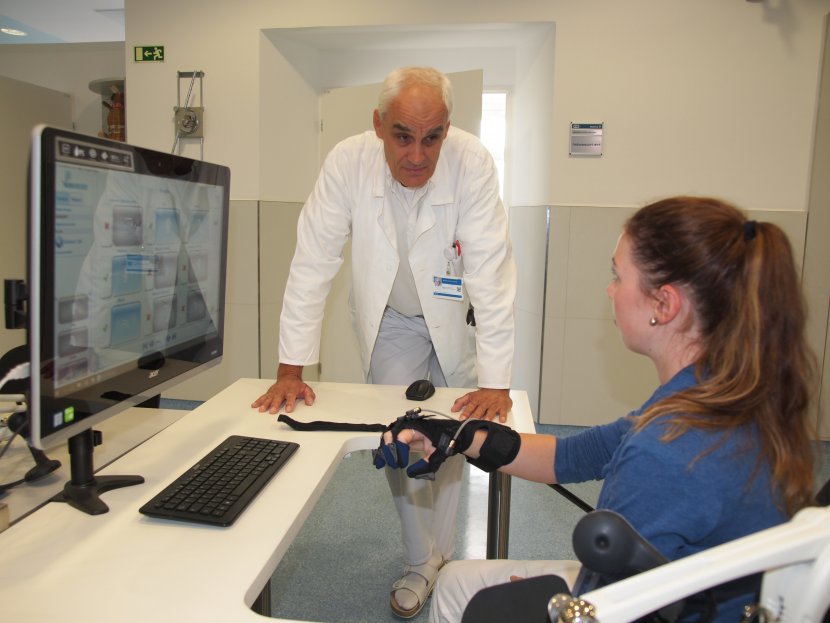
For patients who do not walk or have severe mobility problems, we use a number of aids and devices to facilitate rehabilitation. These include special hoists, vertical tables, suspension devices, stability training devices, motomeds, treadmills, motorised platforms, bars, canes, crutches, walkers, wheelchairs. We also often use various devices to affect muscle, joint and spine pain, to treat swelling, to reduce muscle tension, etc. The Gloreha device, which is a so-called "robotic arm" designed to rehabilitate a paralyzed arm, has been very useful for us. A special glove is put on the patient's hand, and the individual fingers are controlled by mechanical rods. Everything is controlled by a computer and a special programme then allows the affected hand to practice various movements and functions (e.g. grip) while the patient controls the movements of his fingers and hand on a screen, thus using visual feedback, which is very interesting for the patient. Less disabled patients after a stroke can also attend special exercise machines (David, Hur machines) which are computer controlled and where the patient exercises under the supervision of a specialist.
Do patients after strokes also go to the swimming pool?
Some less affected patients use group exercises in the swimming pool, or individual hydrotherapy in a multifunctional bath where underwater massage, full-body whirlpool, bubble bath can be performed. Staying in the water not only facilitates the movement of paralysed limbs, but also takes advantage of the undeniably positive effect of the water environment on the patient's psyche. More disabled patients can use the so-called "water walkway" under supervision, where there is a hydraulic bottom, the patient moves in a narrow and safe water corridor and has the possibility of bilateral support.
Is caring for stroke patients more challenging than caring for other patients? Is it specific in any way?
Unfortunately, patients after stroke usually have complex and usually severe disabilities where a range of functions are significantly impaired, which is not so often the case with many other diagnoses. After a stroke, the patient is severely disabled, often unable to walk independently, and for many, their ability to communicate and their psyche is impaired. These patients need a range of aids, often expensive, and adaptations to their homes are necessary, and they are sometimes young. We hospitalise patients in their forties or even thirties, who have families, young children and are at the beginning of their family and professional life. For them, a severe stroke is a huge impact on all areas of their lives, everything changes, and often there is a disruption in their relationships with their partners and family. Unfortunately, for some patients, the disability is permanent. It then depends on a number of circumstances how the patient copes with the situation. A lot depends on the partner, family support, etc. This can help the health professionals a lot and also facilitate rehabilitation. A cooperative partner and family is a huge plus. Another specificity of strokes is that, especially in the acute and sub-acute phases of the stroke, there are various internal complications (e.g. cardiac complications), especially in the elderly, which then need to be dealt with in collaboration with the internist. Fortunately, we have very good cooperation with the internal medicine department of our hospital in this respect. The team of doctors of this department, led by doc. Sochor, provides us with great help and support in these cases.
Are there more and more patients in your centre after vascular accidents?
In general, the number of such patients is increasing in the Czech Republic (30 to 40 thousand people have a stroke in the Czech Republic every year) and we are also receiving more and more of them in our centre, although we have certain capacity limits, mainly due to the number of attending staff. We have information that most of these patients are satisfied with our care. However, this is a very demanding group of patients medically, rehabilitation-wise and nursing-wise. This is also the reason why some rehabilitation centres do not like to accept these patients and focus on less demanding patient groups, such as patients with endoprostheses or spinal pain, etc.
What is the future fate of patients after discharge from your centre, how many patients are able to lead a full life and return to their original work?
Some of these patients return home if they have the necessary facilities, but some have to be transferred to another facility and if possible are later transferred to a home environment. This is best for the patients. However, some have to be placed in an aftercare facility for a long time or even permanently, either because they cannot be cared for at home or because they are so severely disabled that they require institutional care. Fortunately, only a small proportion of them are. It is sometimes not easy to provide optimal follow-up care here, and the aforementioned social worker helps us a great deal. The background and the family are very important; in some cases, the partner or the family will take care of the patient selflessly, but in other cases we see a reluctance to take care of the patient at home. More than 60% of stroke patients are already of retirement age. Among the younger group, about 1/3 of patients return to their original profession, but these are mostly only those who have had a minor stroke. It depends on what profession the patient was in and, above all, on how severe the disability persists after the stroke. Of course, the patient's motivation to return to work also plays a role.
In your opinion, what should be improved in the care of patients after a stroke? Is the care of these patients financially and materially demanding?
It appears that there are still some gaps in the speed of initiating specialised treatment. It is important that the patient after a stroke is brought as soon as possible into the care of a specialised stroke or comprehensive cerebrovascular centre, where they are able to make a diagnosis quickly and provide the necessary treatment. However, some patients still arrive at the centres late. Or they start rehabilitation late. Further, the logical and medically correct continuity and flow of patient progression from one facility to the next needs to be more elaborate. The idea is to ensure that a relatively promising patient after a stroke is not transferred, for example, from the neurological ward straight to the LDN, but instead to where he or she properly belongs, i.e. to an early rehabilitation ward, where sufficiently intensive rehabilitation can be provided for the necessary period of time.
The care of more severe patients after vascular events is, as already mentioned, demanding not only physically and psychologically but also financially, as the patient needs various aids, splints, bandages, diapers, and sometimes expensive drugs, which puts a considerable strain on the department's budget. However, the difficulty of the patient's functional disability is not yet adequately reflected in the reimbursement provided by health insurance companies for these patients. However, an adequate system of reimbursement for more difficult patients is being worked on, and I can confirm that this is being sought in particular by the new committee of the Society of Rehabilitation and Physical Medicine of the Czech Republic, whose meetings I attend.