Česky


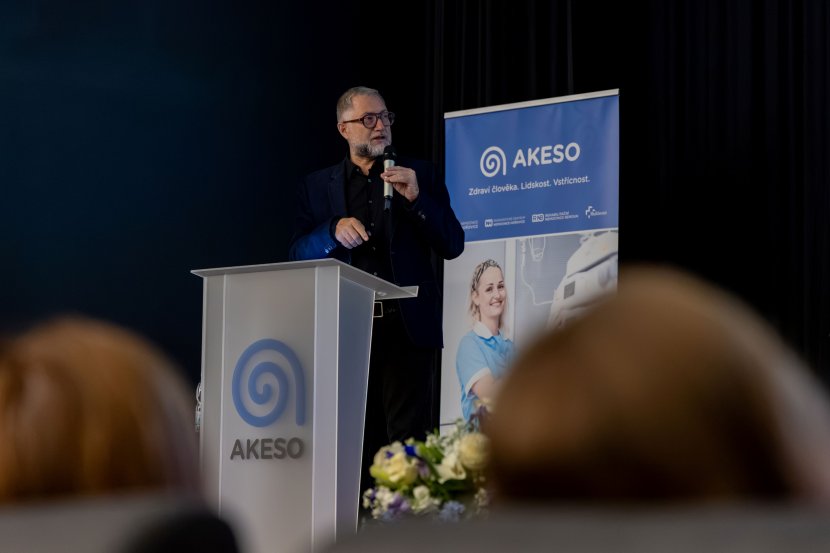
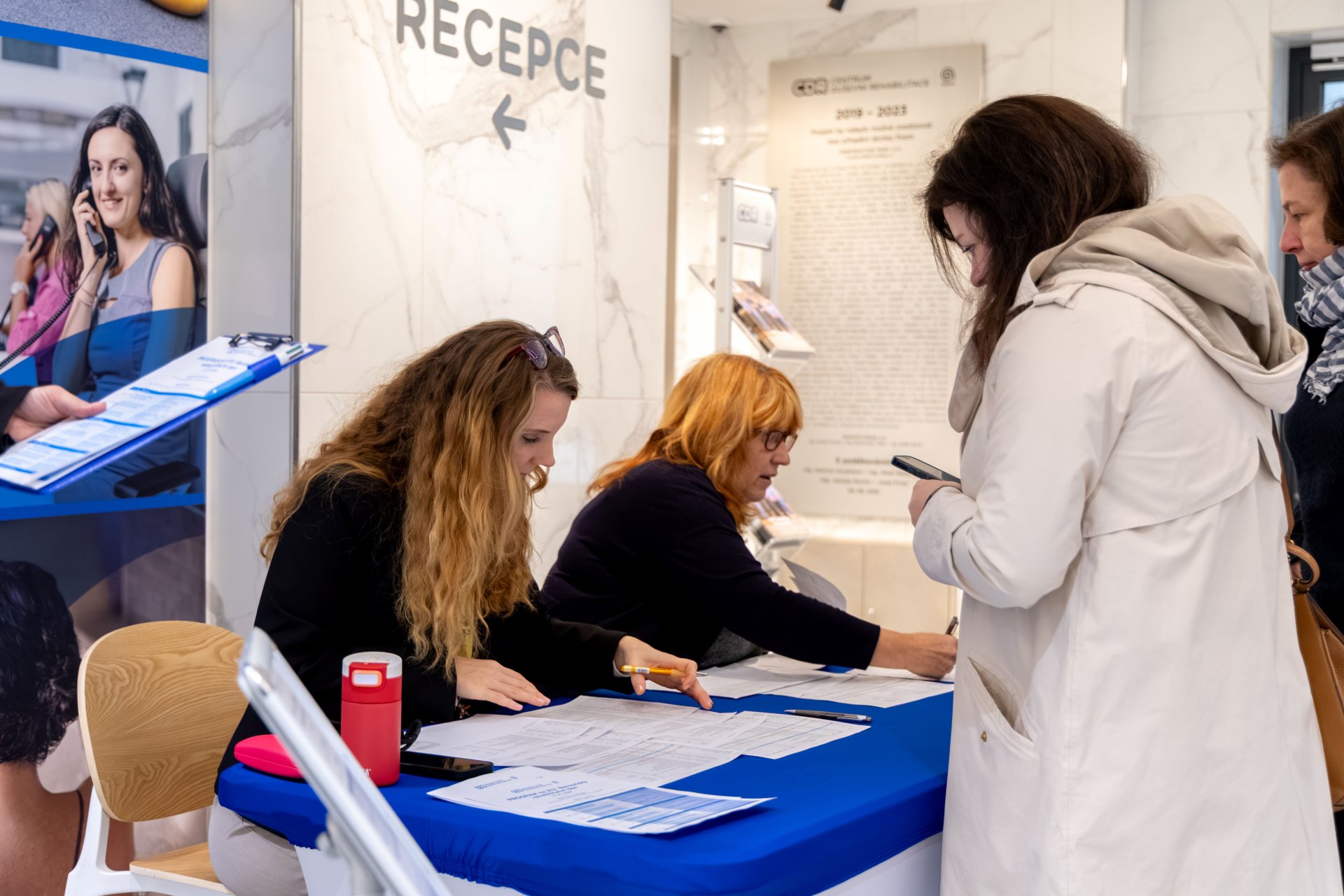
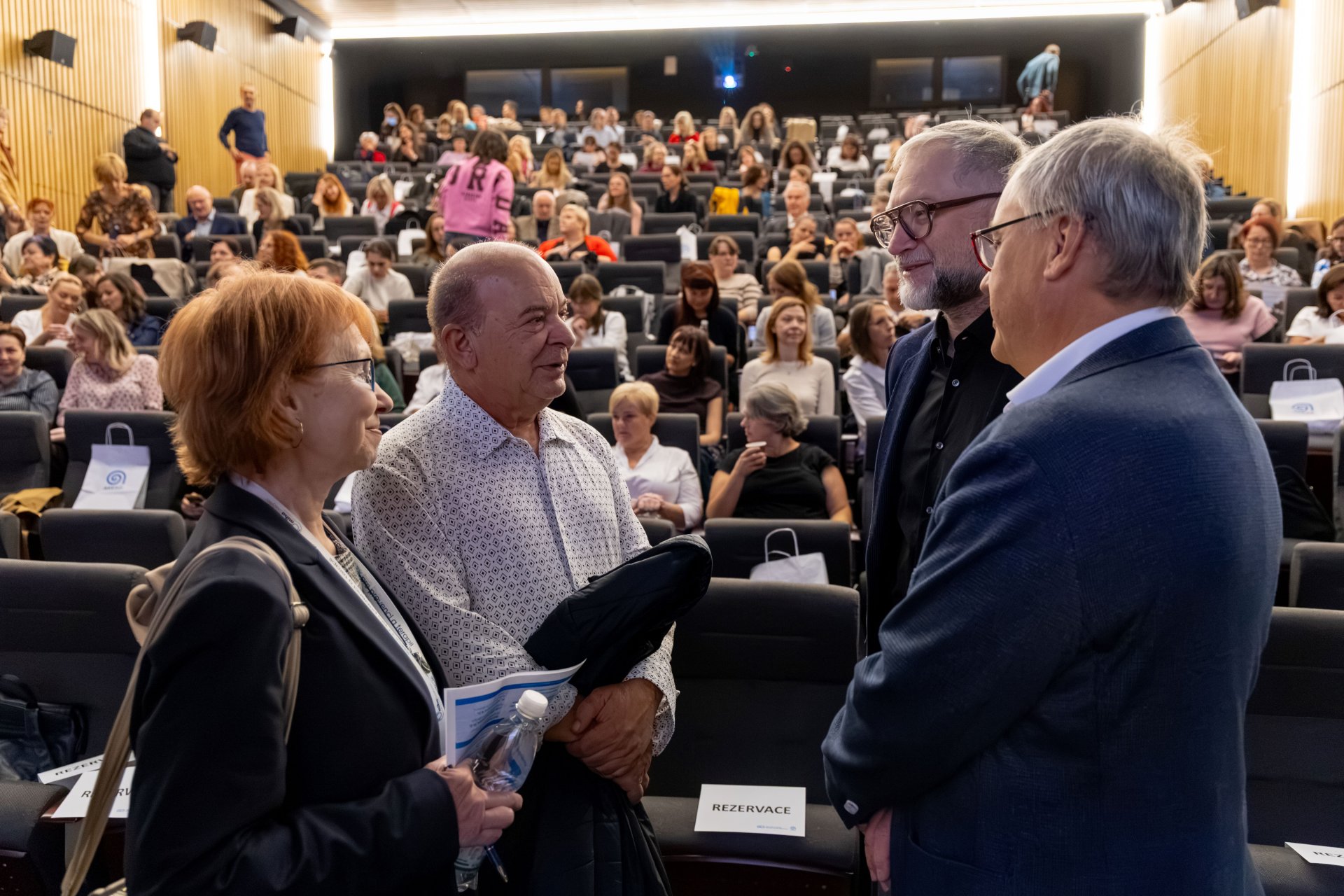
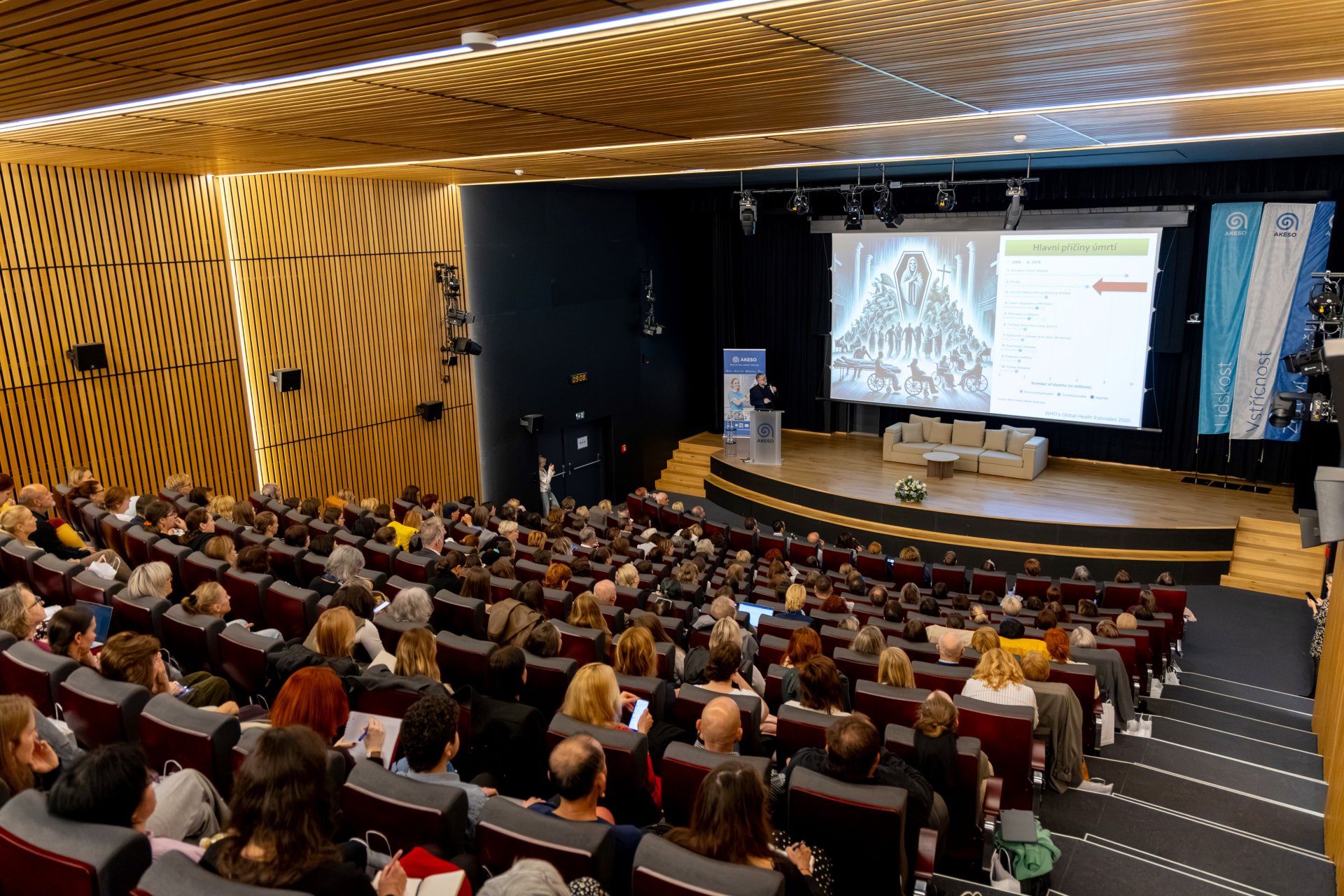
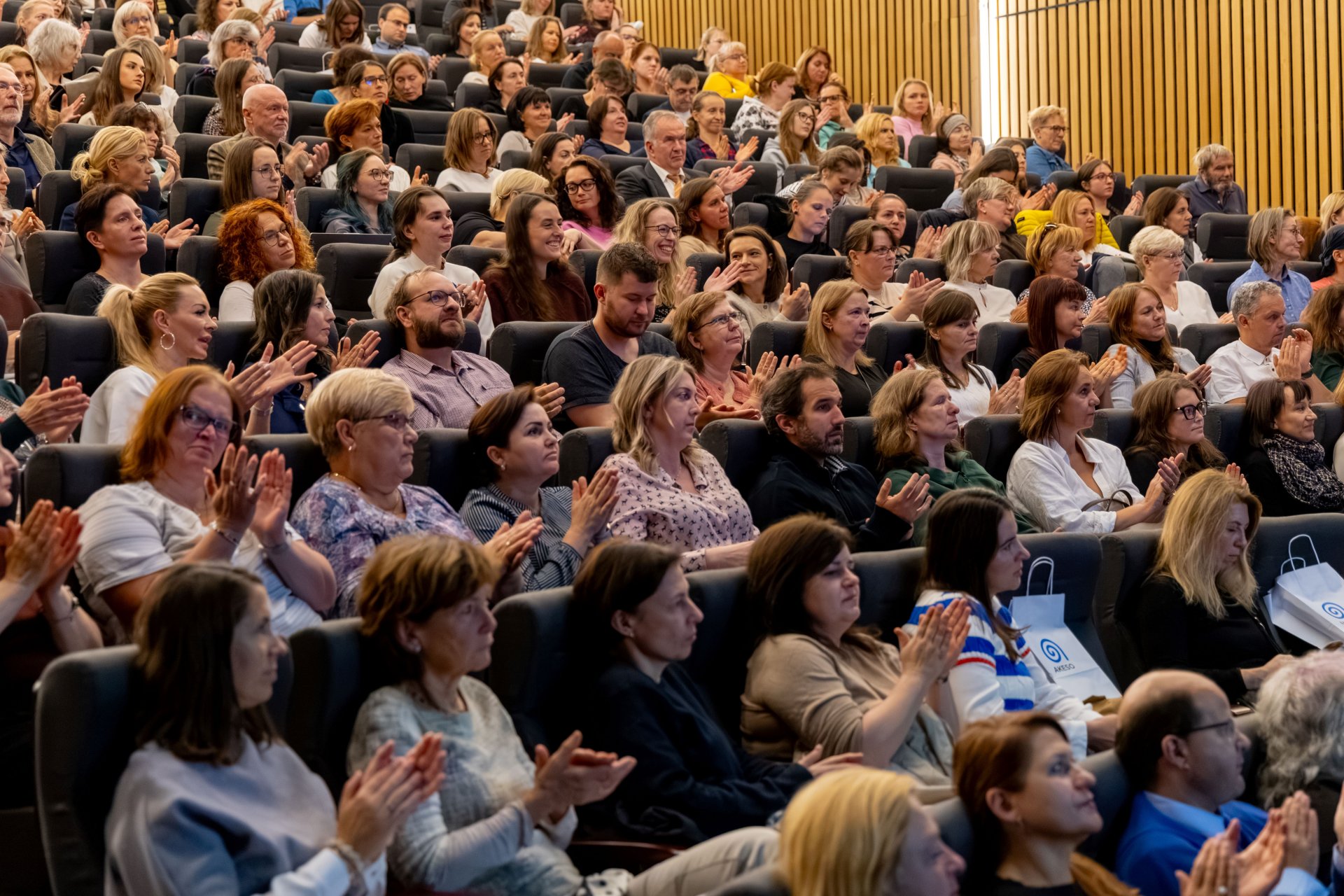
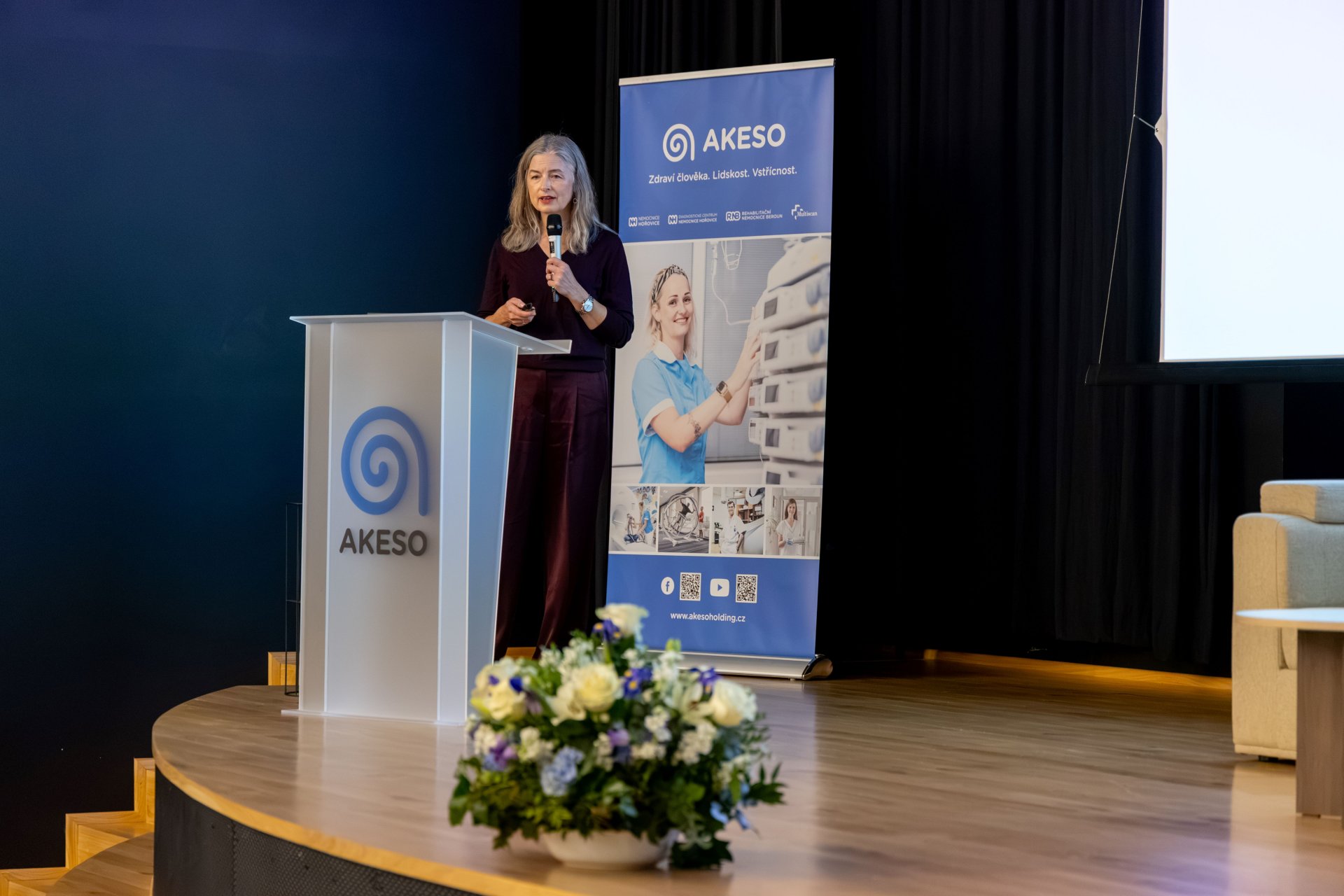
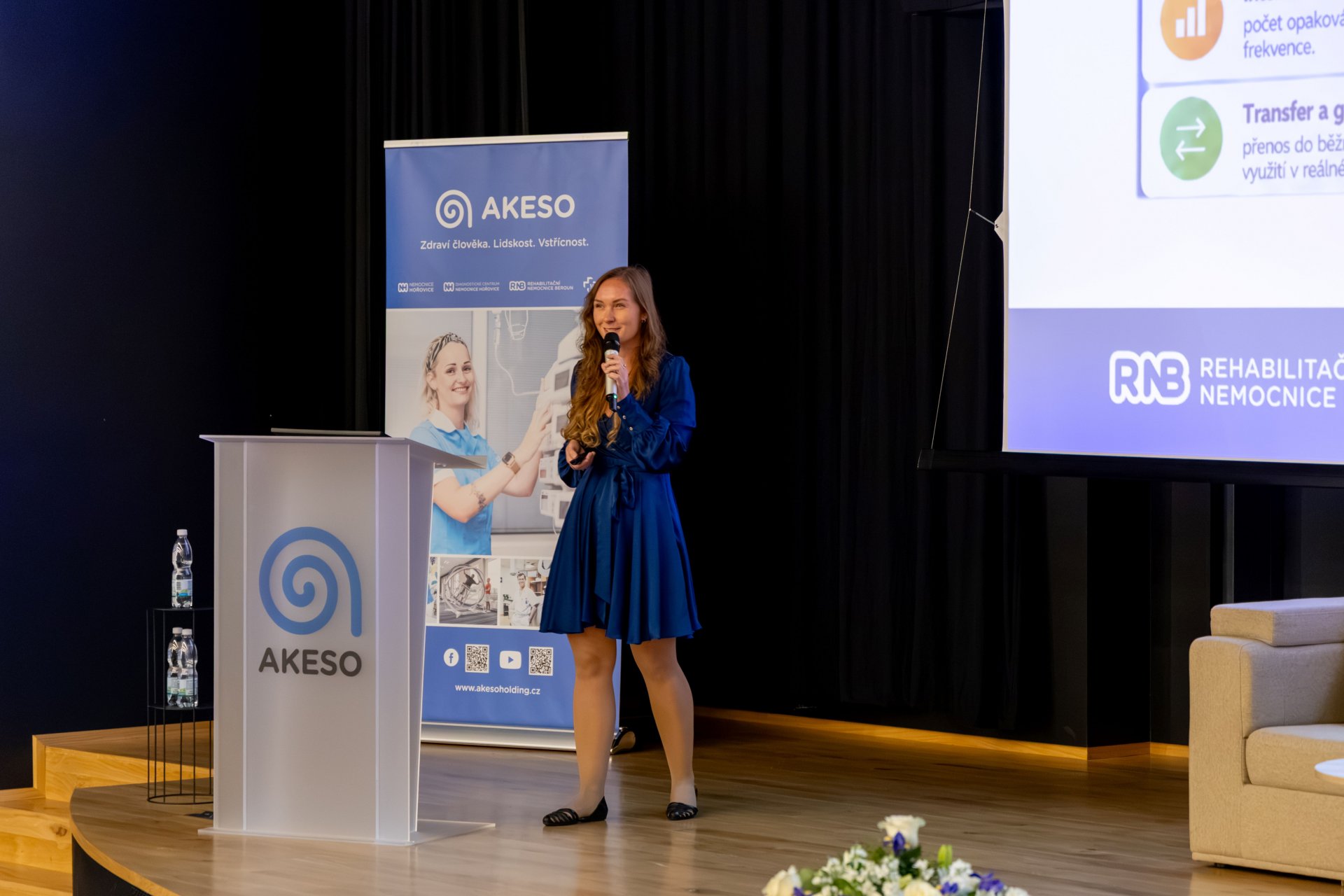
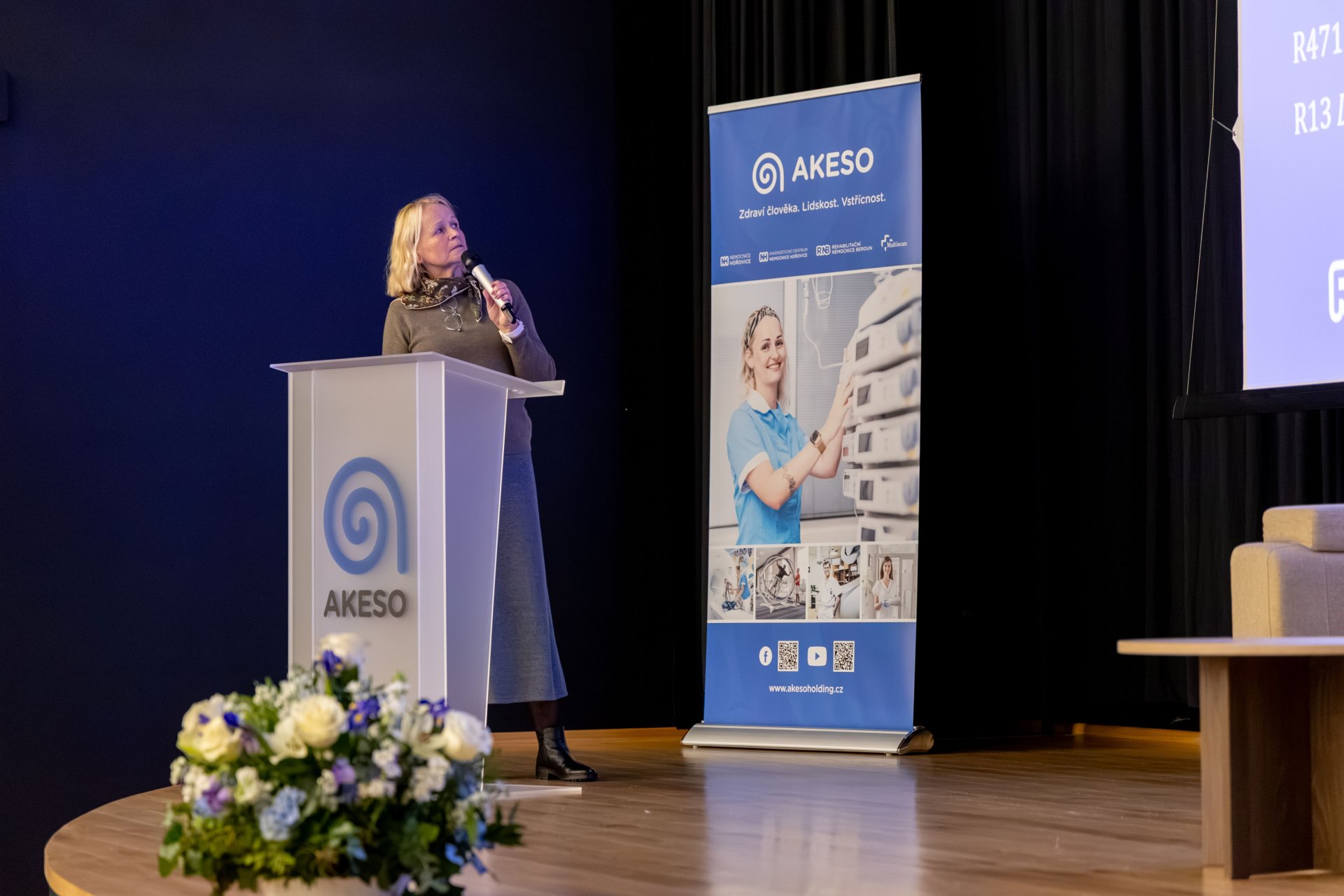
More than two hundred experts, including physicians, physiotherapists, occupational therapists, speech and language therapists and other specialists, gathered at this year’s Beroun Rehabilitation Day, a traditional professional conference organised by the Rehabilitation Hospital Beroun. This year’s event, now in its fourteenth year, focused on the issue of strokes and modern approaches to their treatment and rehabilitation.
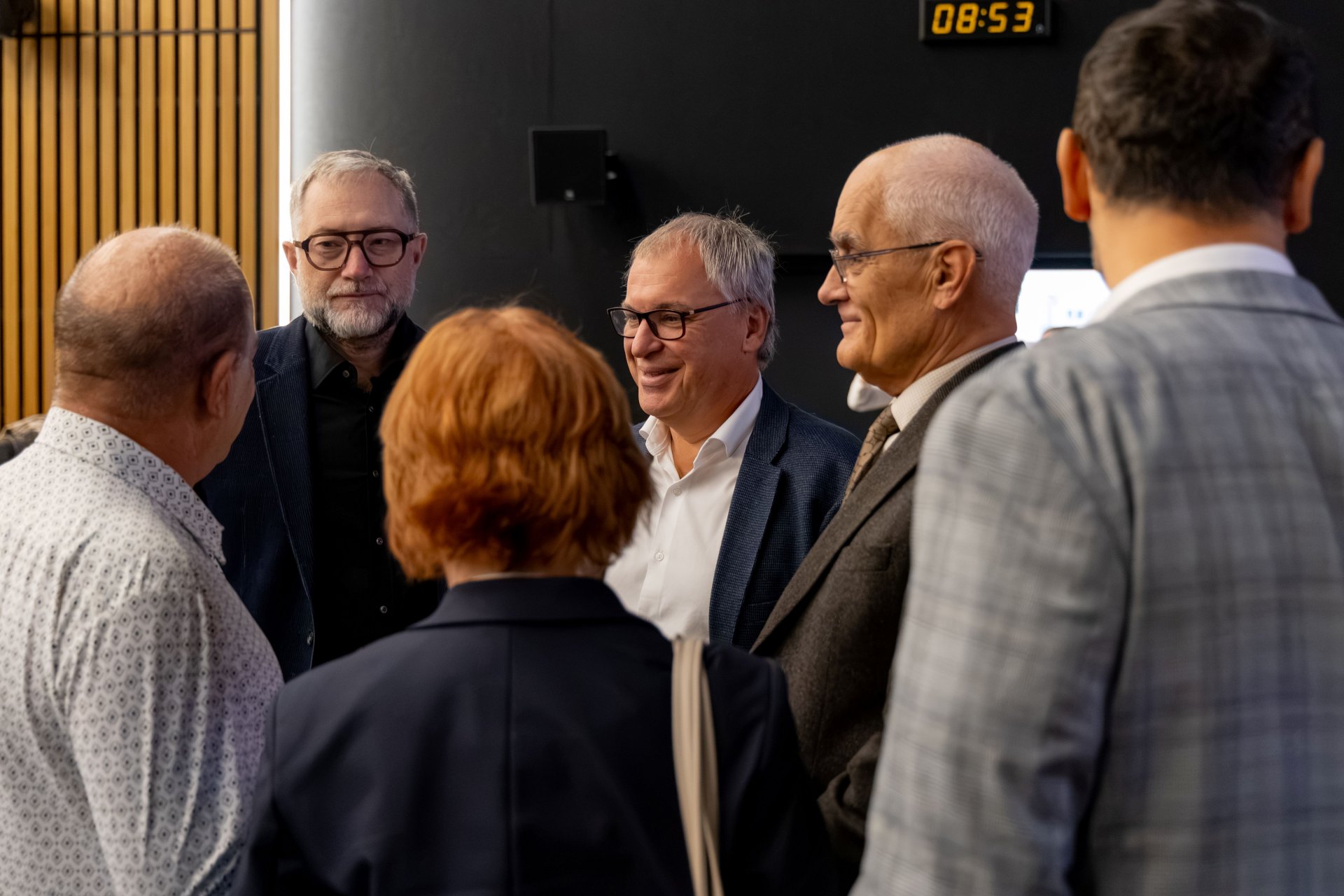
Leading experts from across various disciplines once again gathered in Beroun
The conference offered a comprehensive overview of care for patients following strokes, ranging from acute treatment through to long-term rehabilitation and a return to everyday life. Leading experts from major Prague teaching hospitals, Charles University and the Rehabilitation Hospital Beroun shared their experiences and the latest findings.
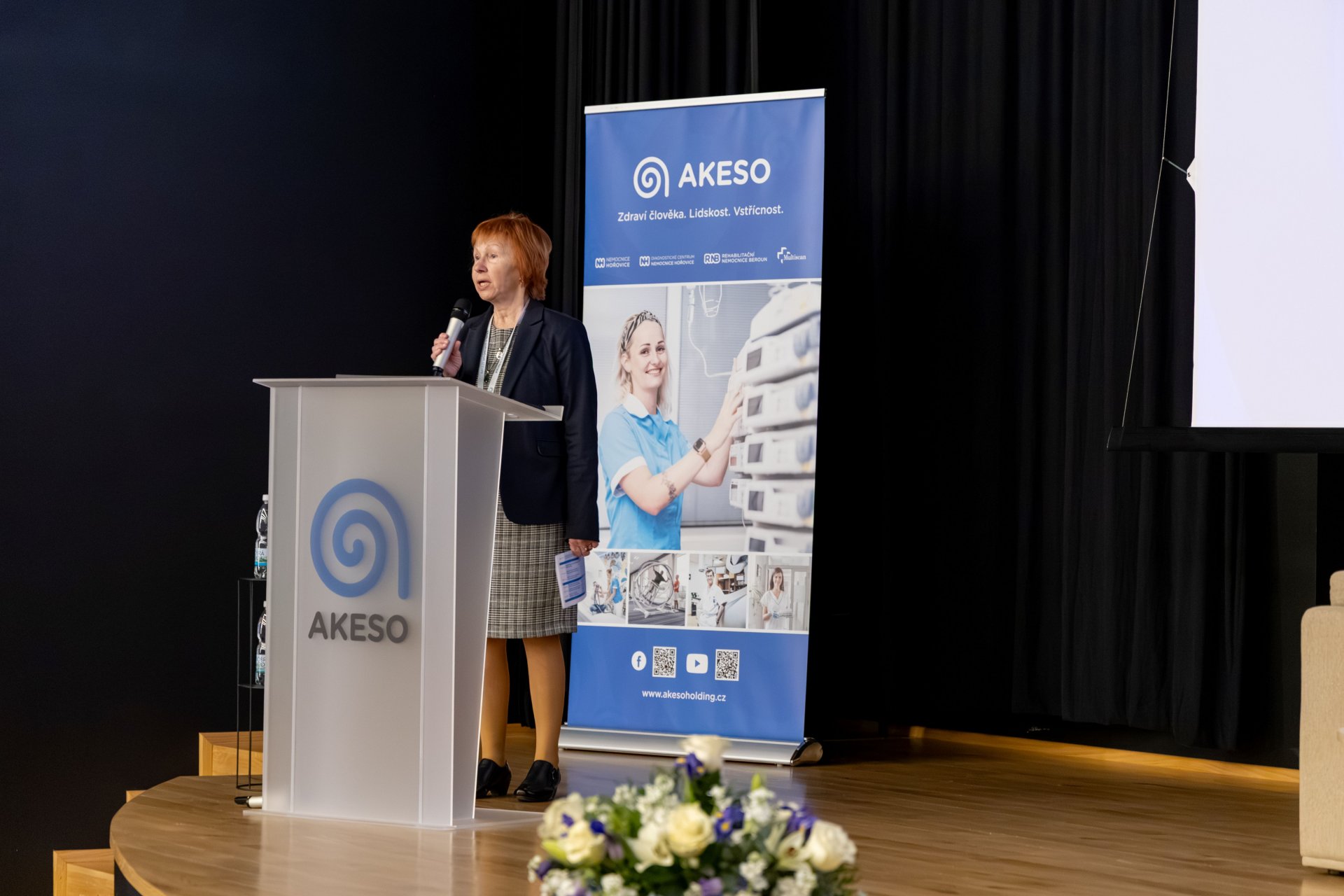
“Strokes are one of the most common causes of long-term disability. This is precisely why it is essential not only to provide high-quality acute treatment, but also follow-up comprehensive rehabilitation care, which helps patients regain their independence and quality of life,” said Dr Milena Kolářová, chief physician of the Rehabilitation Centre at the Beroun Hospital, who organised the entire event together with her colleagues.
The Czech Republic ranks among the best countries in the world for acute care
The morning programme was devoted primarily to acute care for patients following strokes. Prof. MUDr. Aleš Tomek, Ph.D., FESO, from the Department of Neurology at the Second Faculty of Medicine, Charles University, and Motol and Homolka University Hospitals, spoke about current trends in neurological treatment.
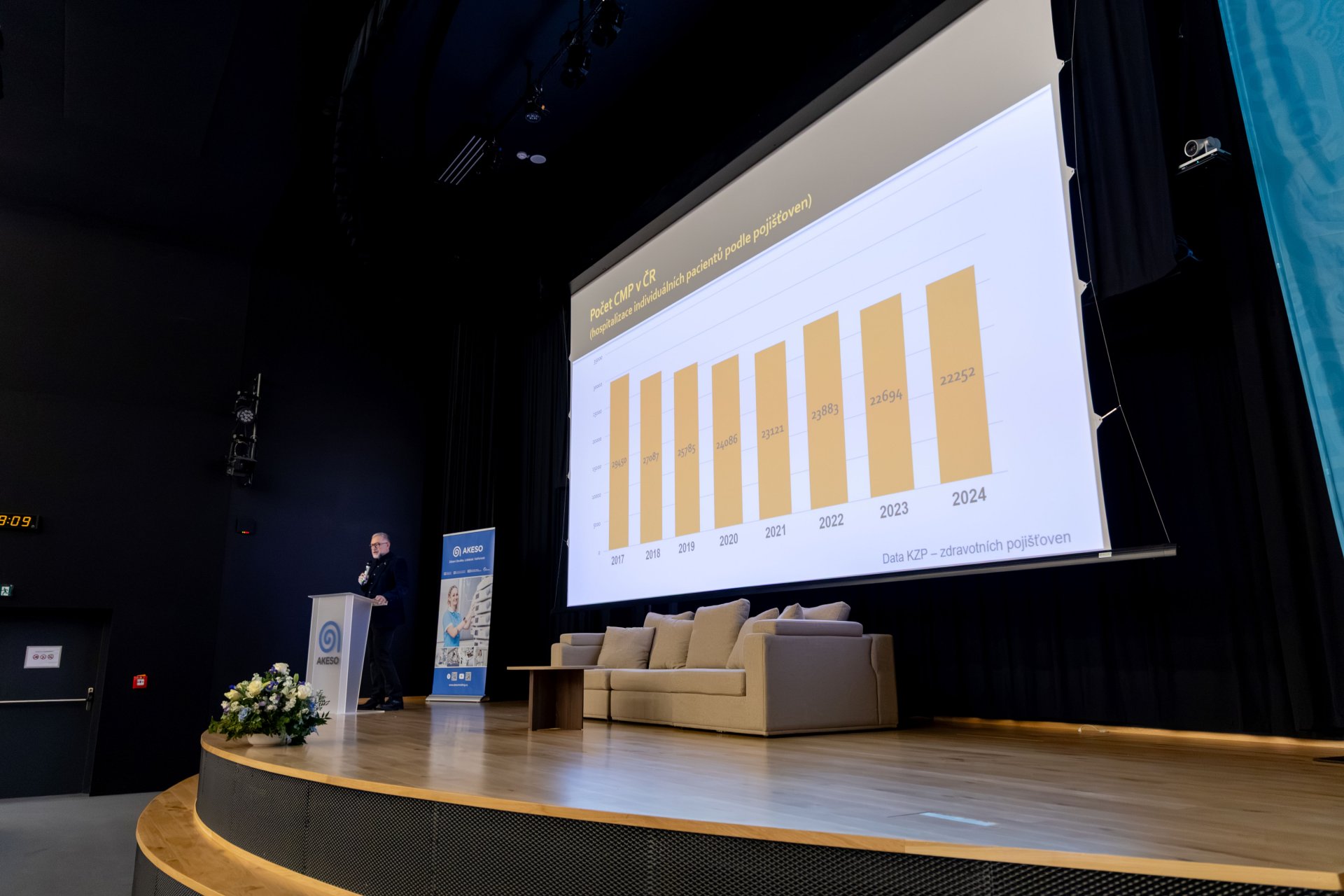
“I presented the current state of care for patients following strokes in the Czech Republic. The good news is that the number of strokes has been falling slightly in recent years, which is linked to more effective prevention and treatment of risk factors such as high blood pressure, diabetes and high cholesterol. The Czech Republic ranks among the world’s best countries in terms of acute treatment, particularly regarding the availability of thrombolysis and endovascular procedures in specialised stroke centres. Early rehabilitation is also working very well. A challenge for the future remains the further development of follow-up rehabilitation care and long-term monitoring of patients, which should be supported by the planned vascular neurology outpatient clinics coordinating comprehensive care following a stroke,” said Tomek.
He was followed by Head of Department Dr Radek Pádr, who discussed the possibilities offered by interventional radiology, and Dr Petr Skalický from the Department of Neurosurgery for Children and Adults, 2nd Faculty of Medicine, Charles University, and Motol and Homolka University Hospitals, who presented the neurosurgical procedures used in the treatment of these serious conditions.
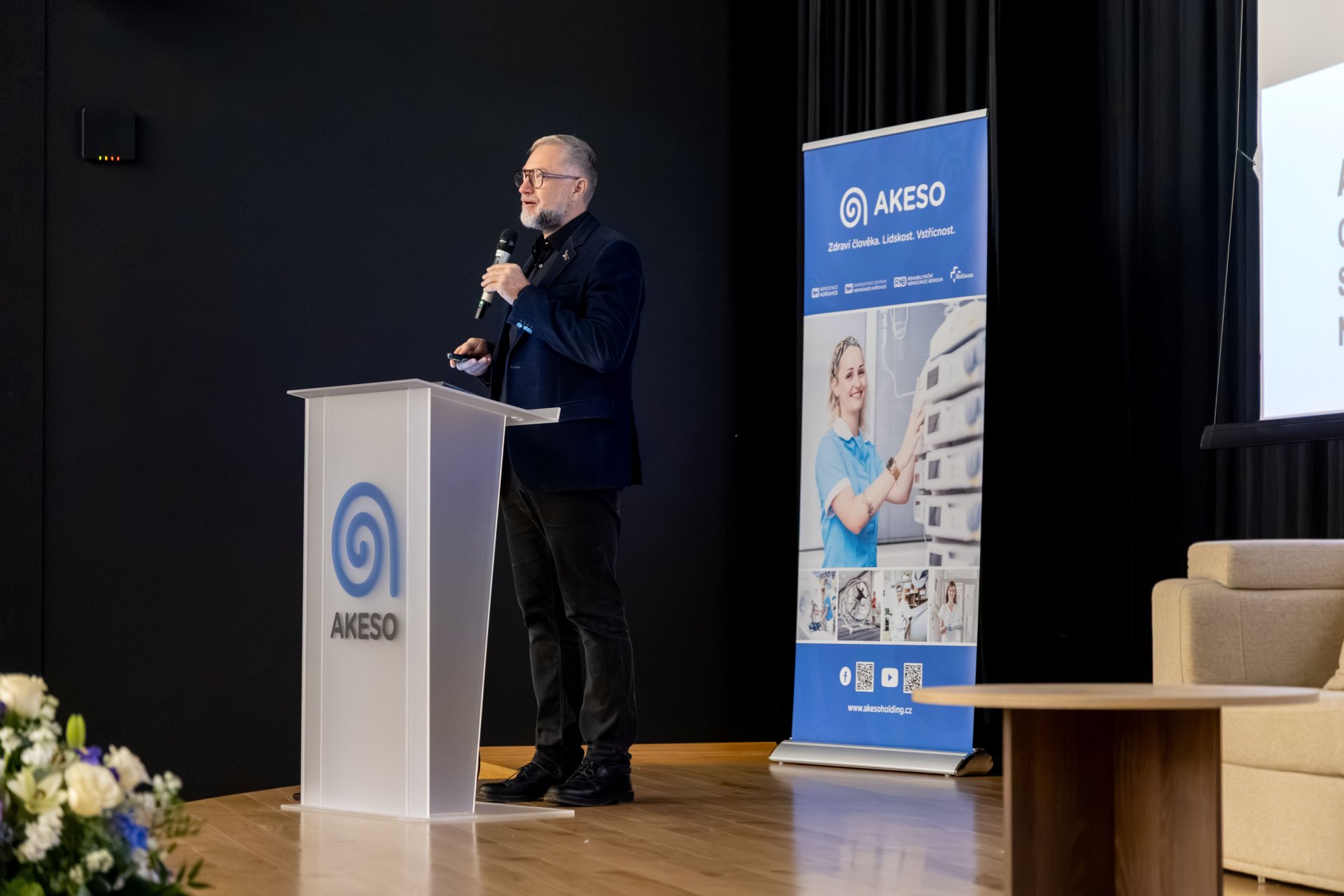
“In my presentation, I outlined the current possibilities of interventional radiology in the treatment of cerebrovascular accidents, particularly the mechanical removal of blood clots from occluded cerebral arteries. Using specific case studies, I demonstrated the procedure itself as well as the state-of-the-art technologies and materials that today enable us to effectively restore blood flow to the brain and improve patients’ prognosis,” says Head of Department MUDr. Radek Pádr, Head of the Department of Interventional Radiology at Motol and Homolka University Hospitals.
The importance of integrating rehabilitation, occupational therapy and speech and language therapy
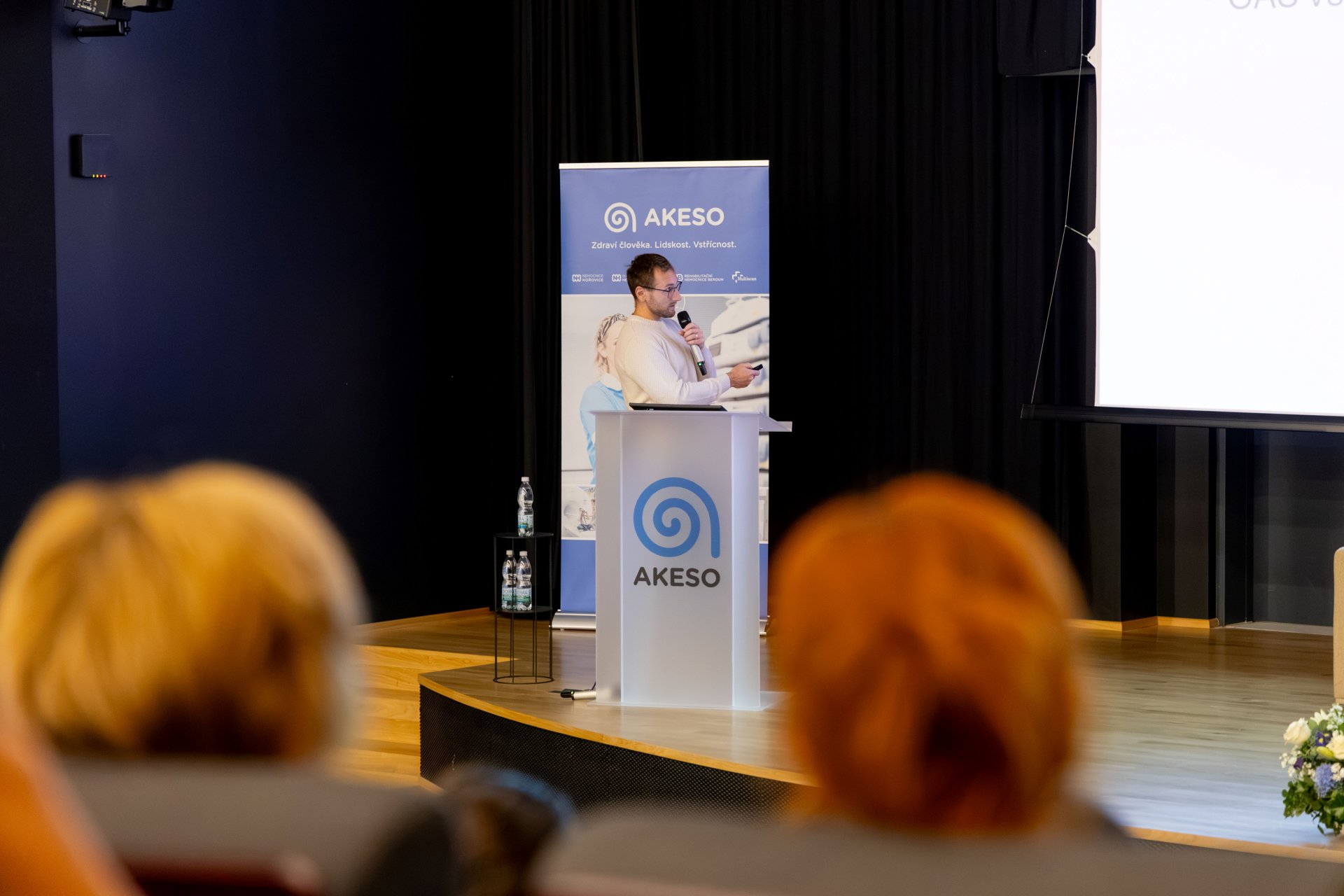
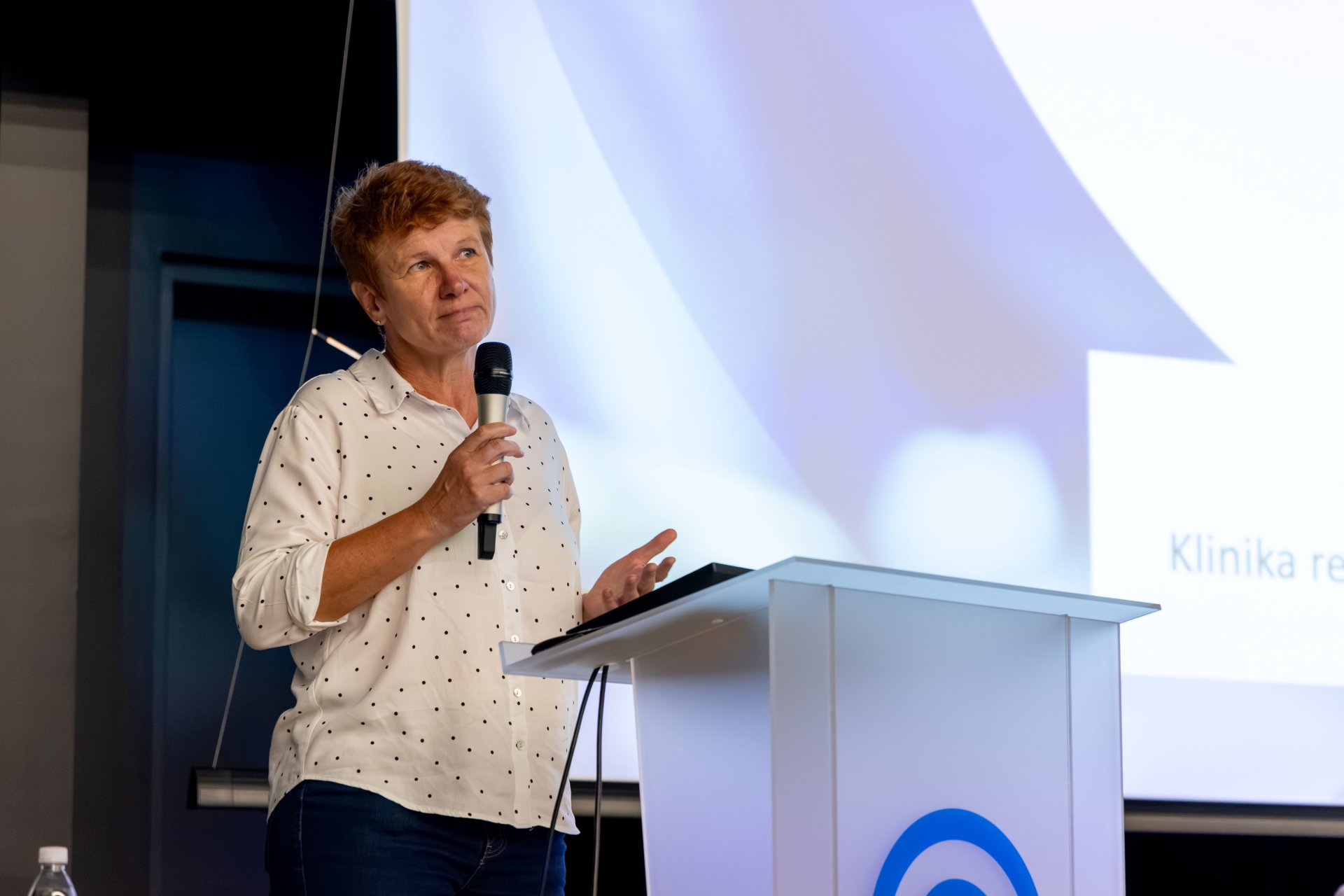
The afternoon session focused on rehabilitation and interdisciplinary collaboration. Dr Sylva Klimošová from the Clinic of Rehabilitation Medicine at the First Faculty of Medicine, Charles University, and the General University Hospital spoke about current rehabilitation procedures. Head of Department Dr Natálie Šebková presented the possibilities of outpatient neurorehabilitation through a day care centre.
The significant role of modern technologies in the treatment process was highlighted by occupational therapist PhDr. Kristýna Hoidekrová, Ph.D., MPH, from the Rehabilitation Hospital Beroun, who devoted her presentation to the use of innovative rehabilitation technologies in contemporary neurorehabilitation.
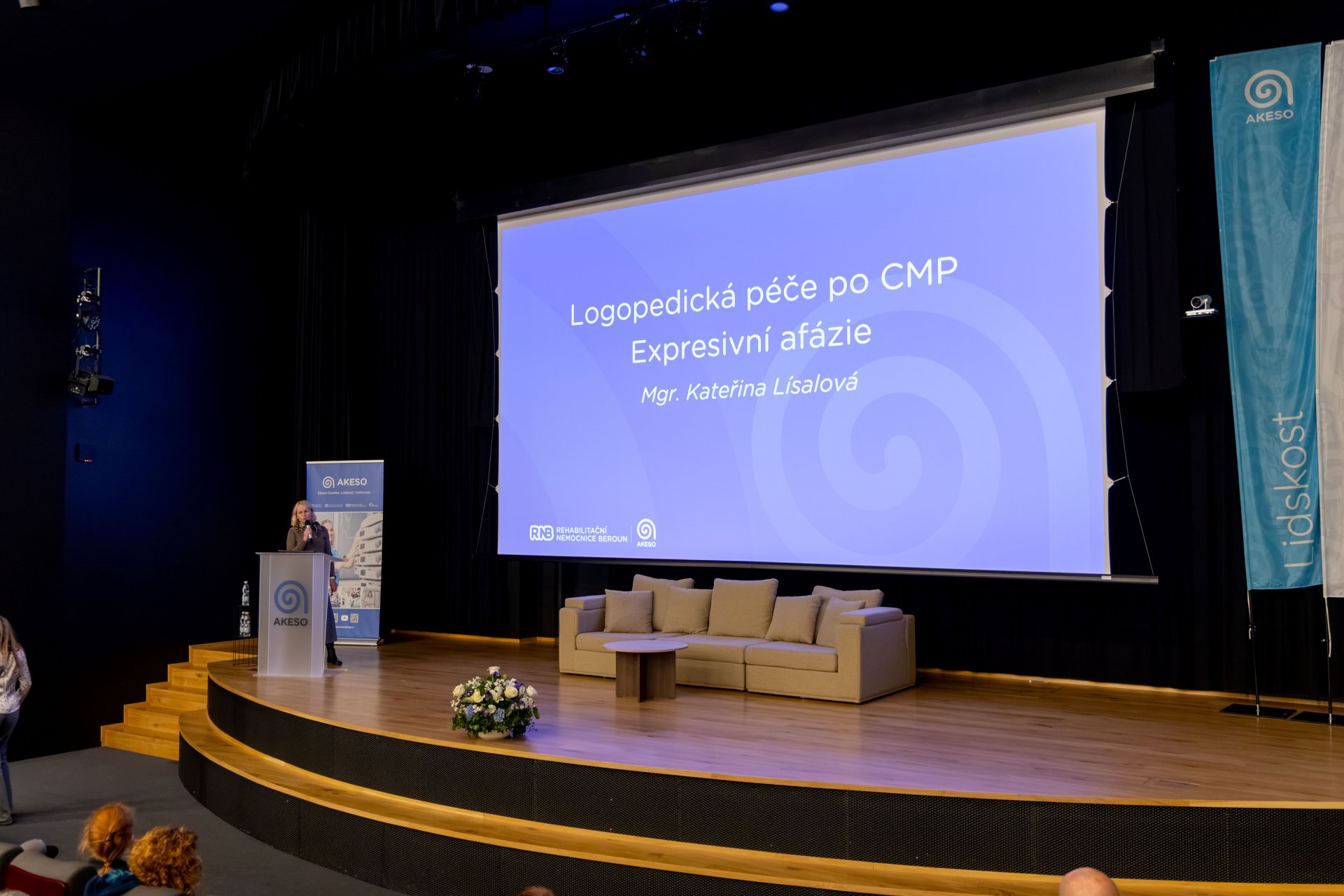
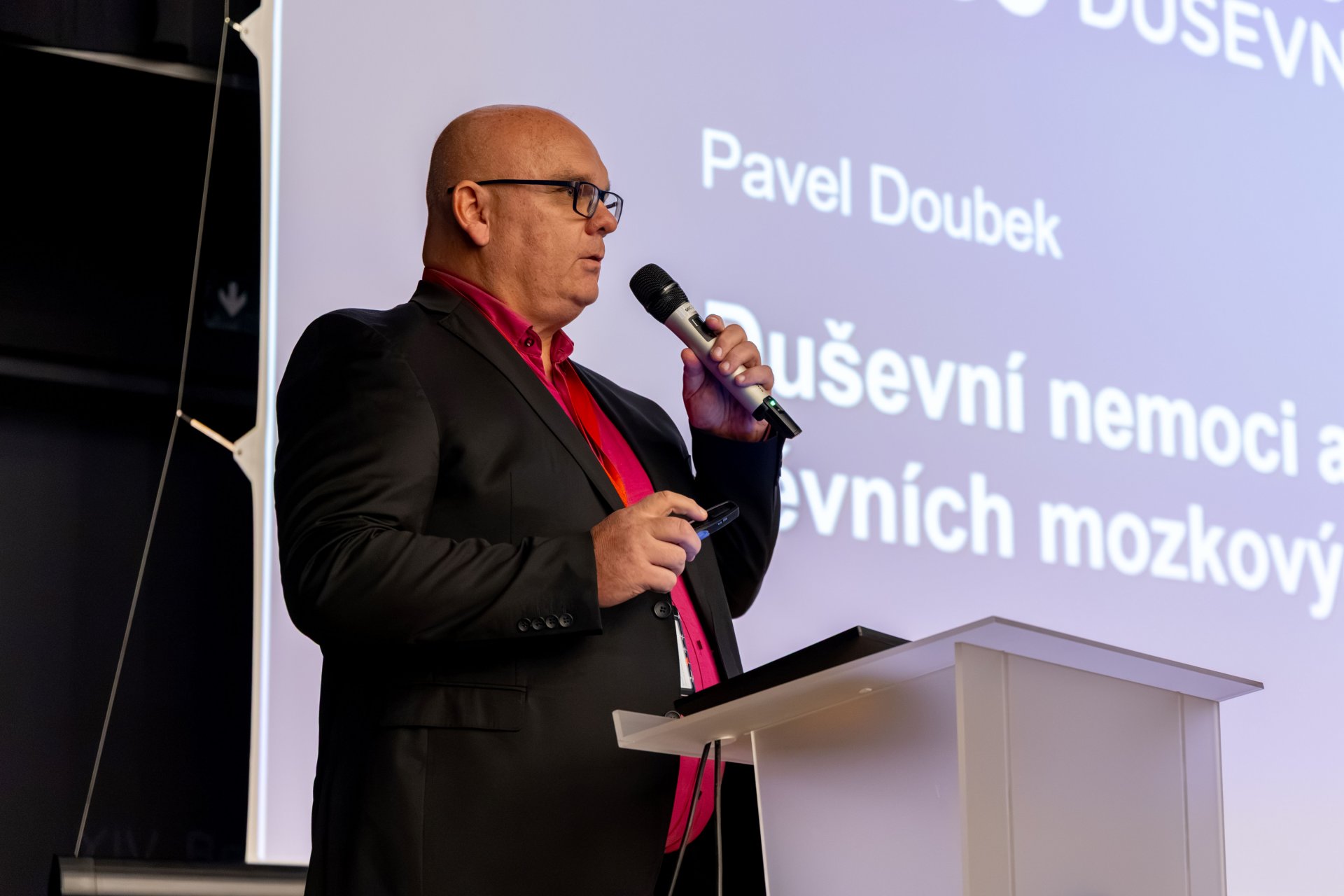
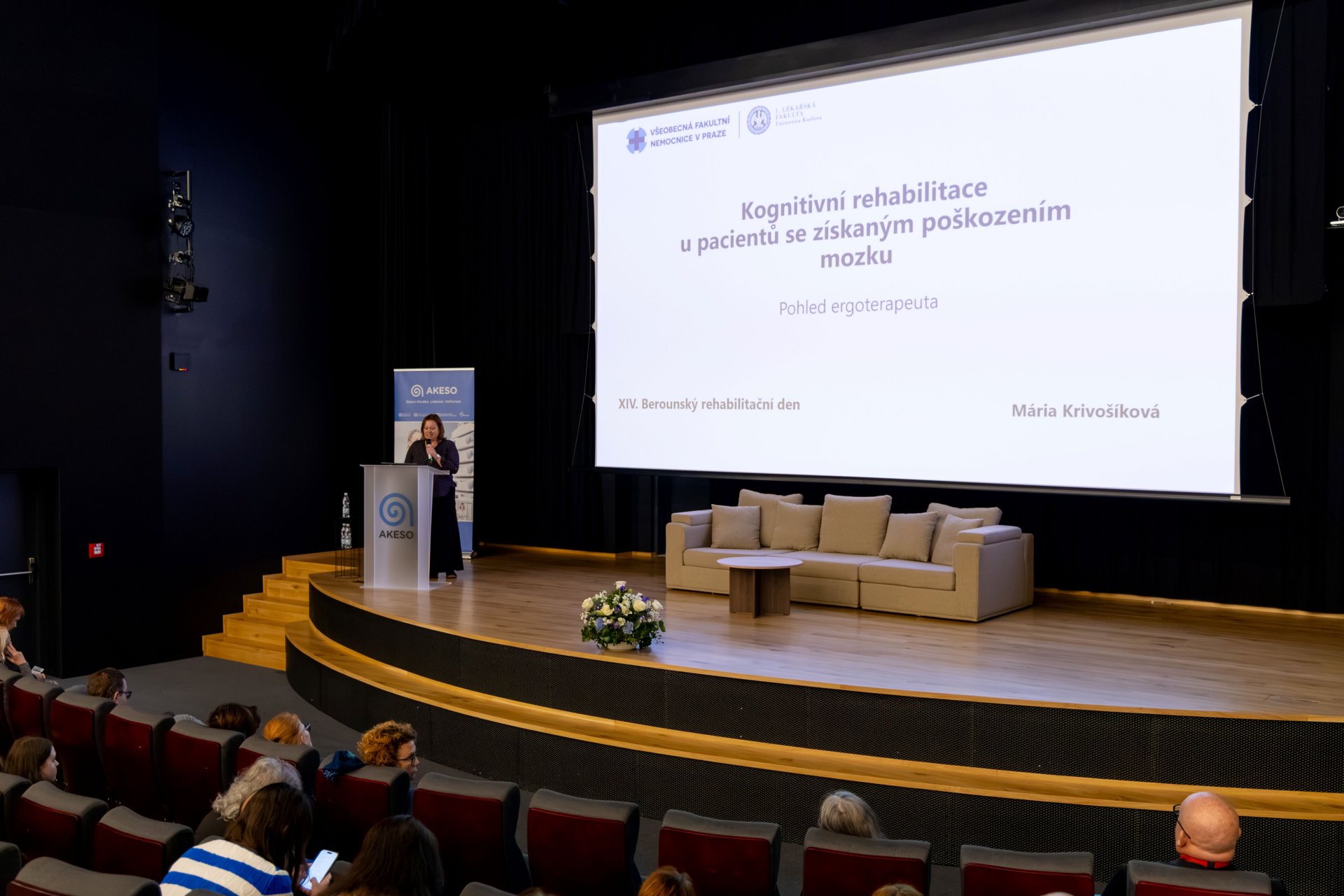
The programme also highlighted the importance of a comprehensive approach to patients who have suffered a stroke. Topics covered included speech and language therapy, presented by speech and language therapist Mgr. Kateřina Lísalová from Beroun Hospital; psychological and behavioural changes following illness, discussed by psychiatrist and Head of the Beroun Centre for Mental Rehabilitation , MUDr. Pavel Doubek, Ph.D.; and the importance of cognitive rehabilitation from an occupational therapy perspective, with which Bc. Mária Krivošíková, M.Sc., from the Clinic of Rehabilitation Medicine, First Faculty of Medicine, Charles University and General University Hospital, brought the programme to a close.
The Beroun Rehabilitation Day builds on a long-standing tradition of professional training in the field of rehabilitation and physical medicine. Last year’s event was dedicated to the issue of pain from a multidisciplinary perspective and confirmed the growing interest among professionals in rehabilitation medicine and its importance in modern healthcare.