Česky
Česky


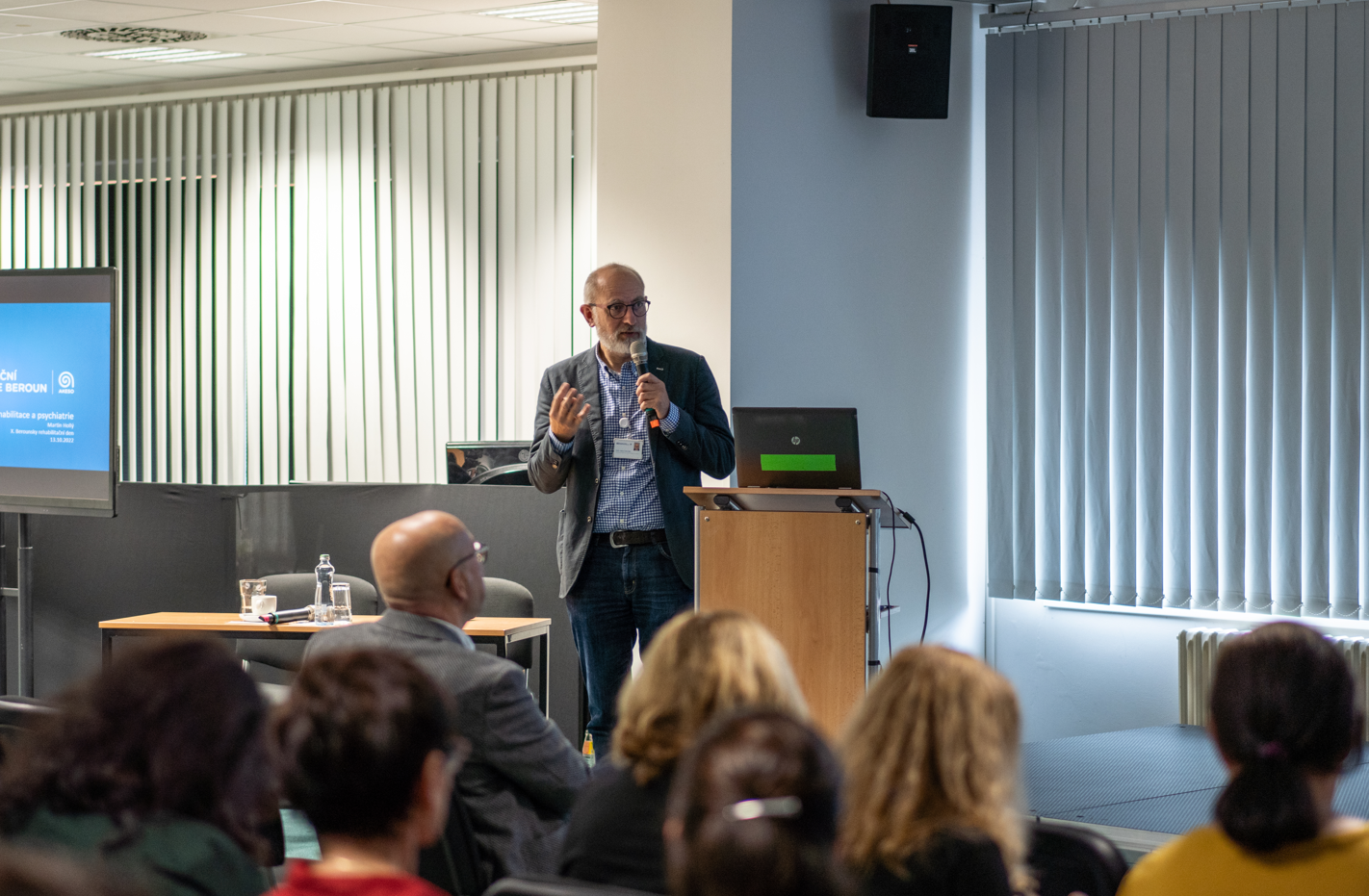
Prof. Pavel Kolář, Ph.D., from the Department of Rehabilitation and Physical Medicine of the 2nd Faculty of Medicine of Charles University and Motol University Hospital, Prof. Jan Pirk, M.D., DrSc., from the Department of Cardiovascular Surgery of IKEM, Prof. Robert Lischke, M.D., Ph.D., from the 3rd Surgical Clinic of the 1st Faculty of Medicine of Charles University and Motol University Hospital, and Jiří Chrobok, M.D., Ph.D. , all gathered on one stage, from the Department of Neurosurgery at the Na Homolce Hospital, prof. MUDr. Tomáš Trč, CSc. from the Department of Orthopaedics at the 2nd Faculty of Medicine, University of Charles University and Motol University Hospital, prof. MUDr. Evžen Růžička, CSc. from the Department of Neurology at the 1st Faculty of Medicine, University of Charles University and VFN, and MUDr. Martin Hollý, MBA from the Centre for Mental Rehabilitation at the Beroun Rehabilitation Hospital.
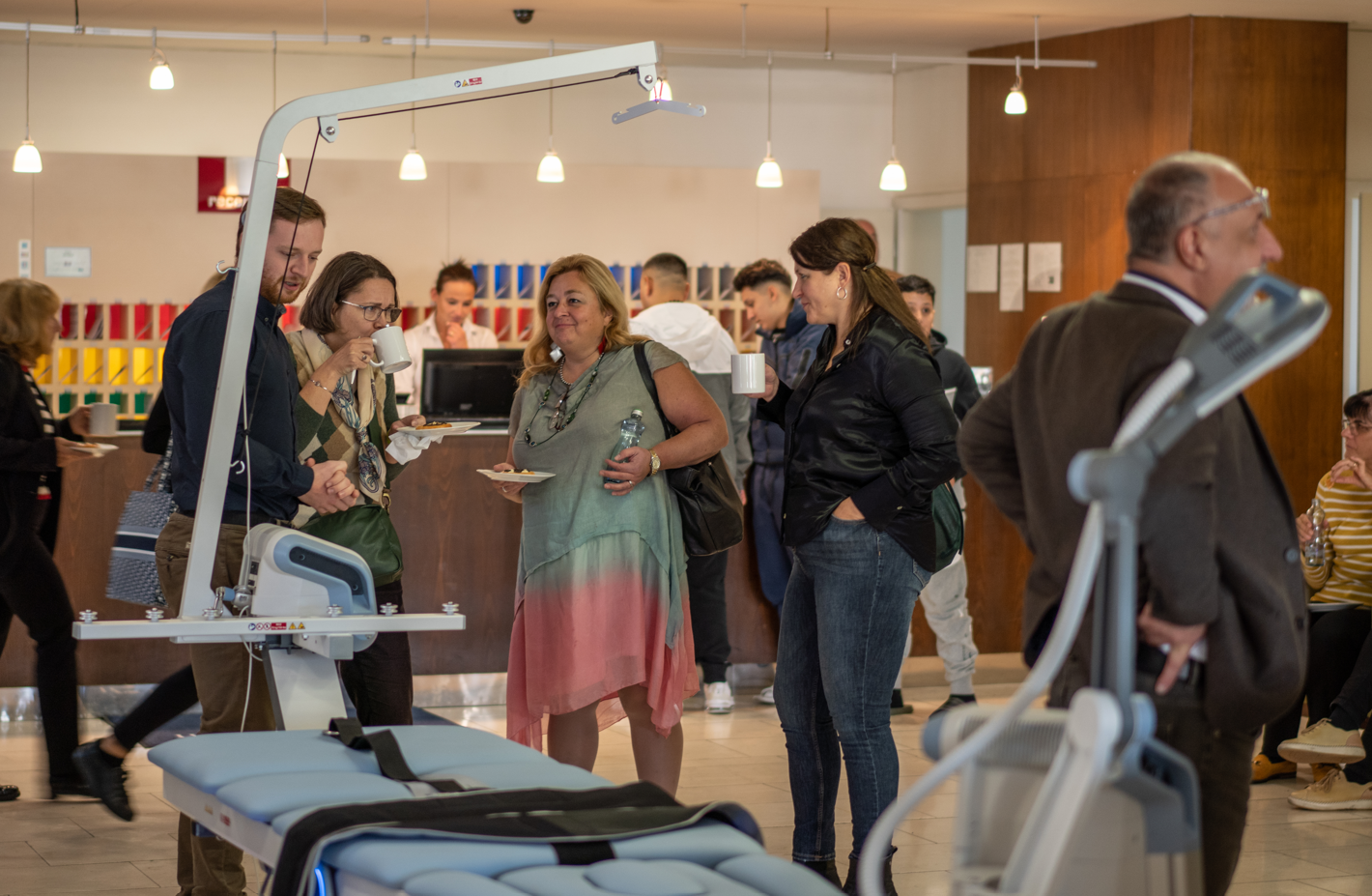
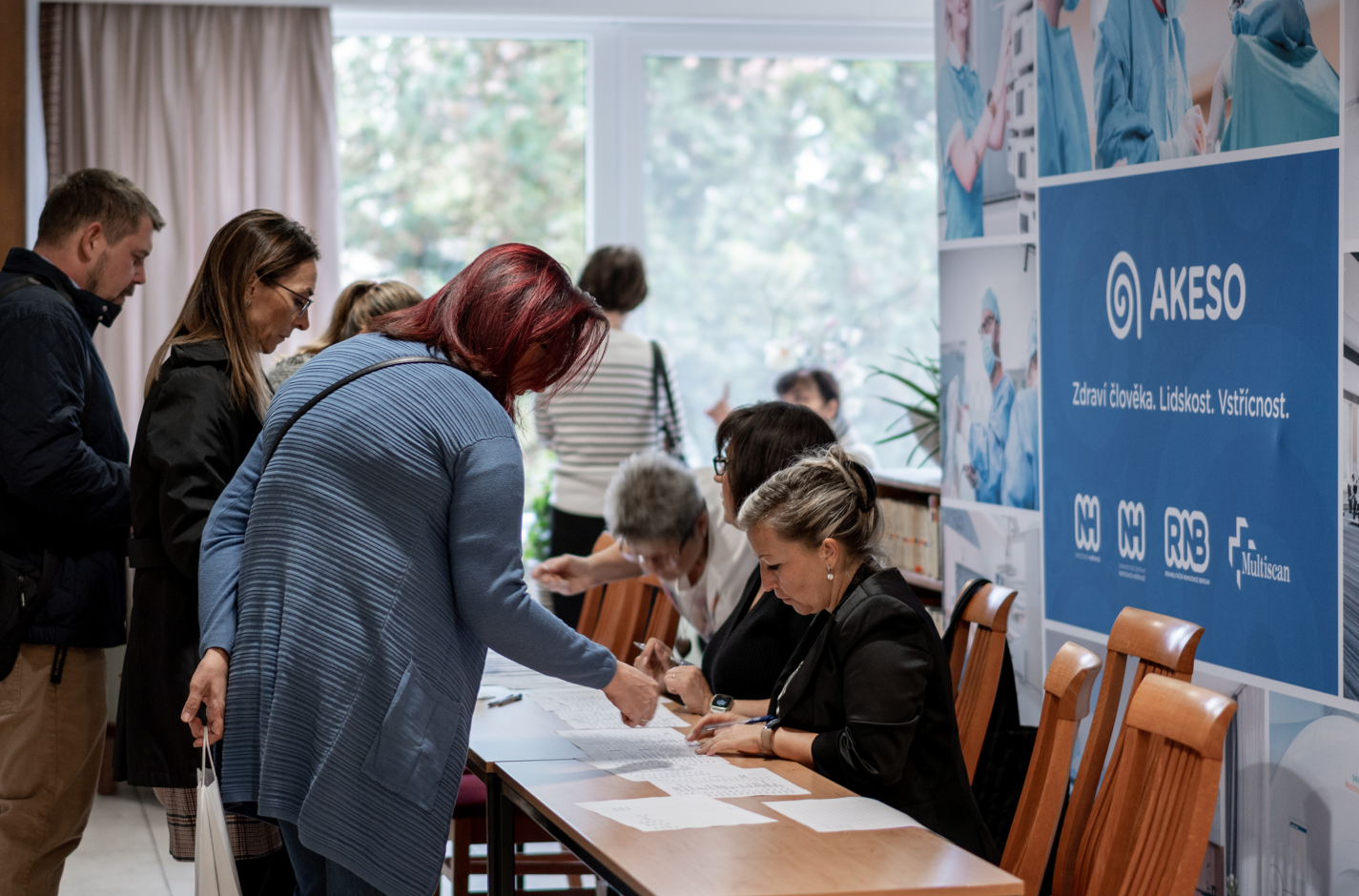
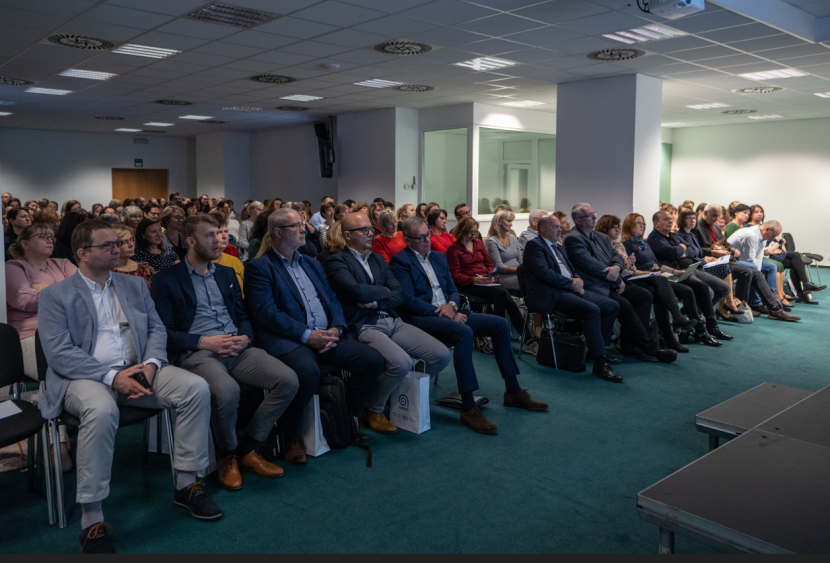
The interest in participating in the conference was so great that the capacity of the lecture hall of the Grand Litava Hotel, where the event took place, was filled to 170 seats. During the conference, which was subtitled Therapeutic Rehabilitation - Multidisciplinary Use, several topics were presented from various fields: from structure and postural function, through cardiac surgery in relation to rehabilitation, lung transplantation, surgical procedures for degenerative changes in the spine, complications of joint replacement, Parkinson's disease and rehabilitation, to rehabilitation in psychiatry.
"I am very pleased to see such interest from professionals and the public. The tenth edition was a success and we are already starting to work on the next eleventh edition, to which I would like to invite everyone in advance," said the head of the Rehabilitation Centre , MUDr. Milena Kolářová, who together with MUDr. Ondřej Horáček organized the entire conference programme.
Some of the speakers gave us short interviews:
Prof. MUDr. Jan Pirk, DrSc.
Thank you for accepting our invitation to the 10th anniversary Beroun Rehabilitation Day. And if I remember correctly, this is your first time at our conference.
First of all, thank you for the invitation. Yes, you're right, I've never been here before, although we work together. I was at the hospital before I sent our first patients to you to actually see that you are as good as people say you are. And because that was true, we started working together. And we've been happy about it for 4 years now. I would just like to see more of your capacity. Because it's easier to schedule admissions after traditional surgeries like musculoskeletal surgeries, but we need to be more flexible in scheduling admissions after cardiac surgeries, where some patients may come to you as early as the fifth day after surgery and some may come to you as late as 14 days. Unfortunately, we don't know in advance. So we take the capacity available at the time, which is often not enough, and send our patients to other facilities.
How do you feel that our rehabilitation centre has an advantage over other facilities such as spas?
The great advantage of your rehabilitation centre is that you have weekly cycles here, because in most other health care facilities they enforce a four-week cycle, and that is an awfully long time for those patients, especially those of working age. So our patients really appreciate that they can say after 14 days, for example, that they feel well enough to end their stay. In agreement with the attending physician, of course. Lately, I feel a general pressure to speed up rehabilitation care so that people can get back to work quickly.
I think people should follow such a permanent rehabilitation of themselves. But that will only work if they are intrinsically motivated. They don't have to be in a facility for it, or if the motivation is not as strong, they can attend rehab on an outpatient basis.
We've done our own research on how people return to work and it's actually directly proportional to the amount of education. The more educated they are, the more often and faster they return to work.
It's mainly due to economics and the fact that people who are college educated do the work they like to do, and the difference between sick leave and salary for the less educated is not as great as it is for college educated people.
One last question, actually questions. How did you like the Beroun Rehabilitation Day and will we see you at a future edition?
I can't rate my presentation, that's up to the audience, but I didn't see anyone sleeping (laughs). The interest of the audience of course is the best reward for any speaker, so I tried to tell something about our field about and it was a very nice meeting.
I would be happy to accept an invitation to one of the next editions, I'm just worried about being able to say something new and useful.
I would like to wish the whole organization to retain the youthful freshness into the next 10 years from all that I have been able to see so far.
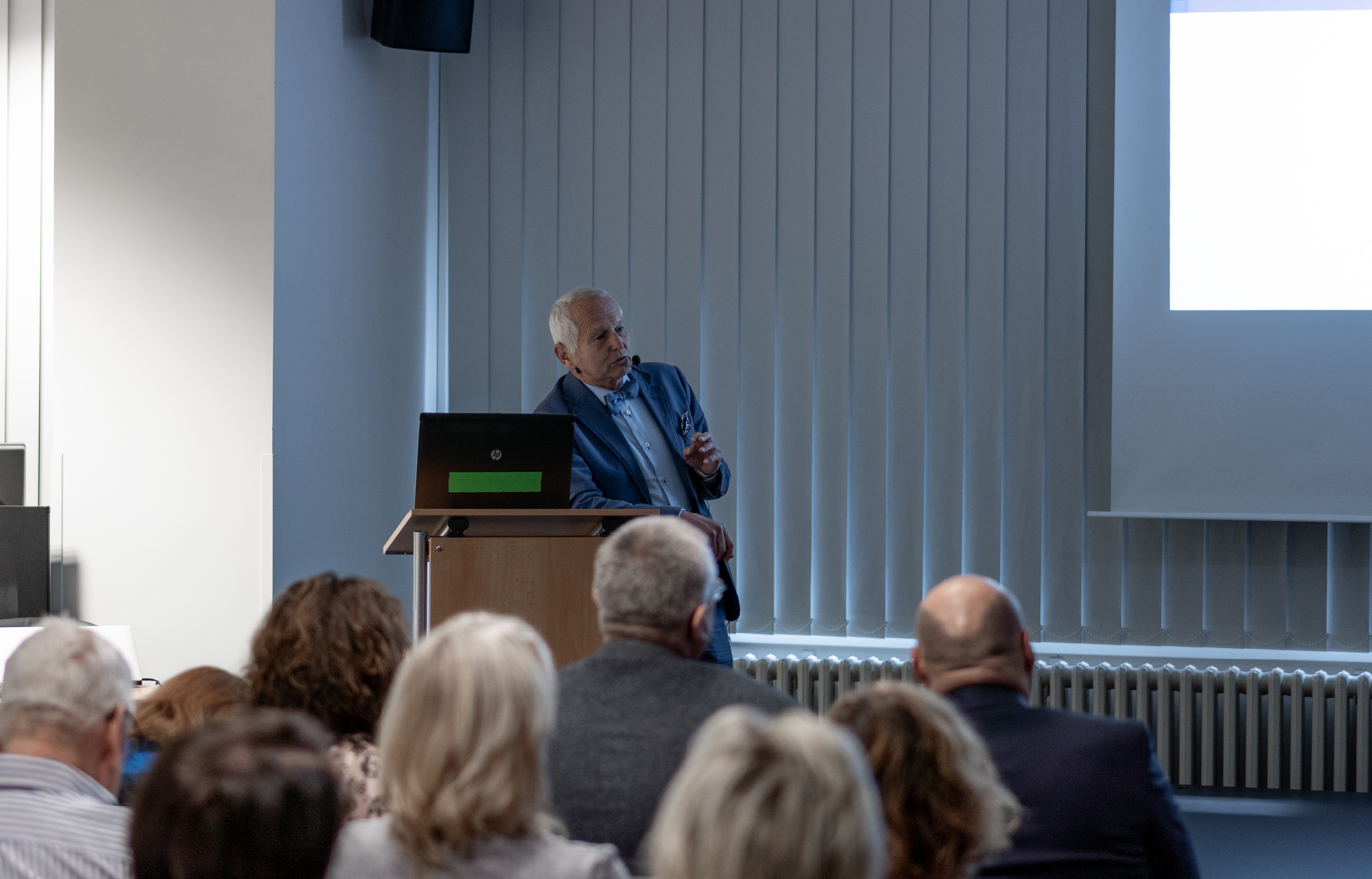
Prof. MUDr. Jan Pirk, DrSc.
Prof. Jan Pirk, M.D. is a Czech cardiac surgeon, emeritus head of the Cardiac Centre and the Department of Cardiovascular Surgery at IKEM. Since October 2022, he has also served as a senator for Prague 10.
He completed his studies in 1972 and started working at the hospital in Nymburk. He won an audition for the post of scientific aspirant at IKEM and has been working there since 1 October 1974.
In 1991 he performed his first heart transplant. In 1997 he became an associate professor, in 2000 a professor and in 2007 he was awarded the title of the best manager in healthcare.
In April 2012, his team replaced a Czech patient's heart with two pumps. The patient was then awaiting a transplant, but sadly died of severe pneumonia in October of that year. Although a suitable heart donor could not be found for him, Pirk says the treatment of this patient has advanced world medicine.
He and his team perform about 250 heart surgeries a year, up from 330 previously. During his lifetime, he performed about 7,000 of them, in addition to 308 successful heart transplants. These figures place him among the most highly respected heart surgeons in Europe.
prof. MUDr. Evžen Růžička, CSc.
This year's Beroun Rehabilitation Day was a premiere for you as a lecturer, as you have been cooperating with the Beroun Rehabilitation Hospital for a long time.
Yes, I have not presented at this conference before. I mainly know the hospital, and I like it very much and we have a long-term cooperation. We have joint programmes like rehabilitation of Parkinson's patients, which we have been sending to you for a long time. But we had one special program here, basically unique because nobody was doing it. It was for Huntington's patients. I was very skeptical about the program at first when our colleagues came up with it, but the results of the program have been good. Unfortunately, such projects are expensive and even this one could not be sustained in the long term. The whole thing was led by Dr. Libuše Brabcová, who is currently the deputy head of the Jan Calta Rehabilitation Centre.
It is possible to think of a number of projects to cooperate with the Beroun Rehabilitation Hospital, but we are limited mainly by the question of financial coverage. Not all of our patients are able to pay extra, even if the extra fee is not big, but it can be a problem. And if we are to do a programme consistently, we need to have quite a lot of patients to gain experience. If there is some way or source of support from a specific patient group, we are able to expand that, especially if that program is shown in a study to be successful for the patient.
Then there are other diagnoses that our collaboration can address. I spoke with MUDr. Hollý with whom we discussed the construction and planned opening of the Mental Rehabilitation Centre that the owner of AKESO Holding is building in Beroun. I was very pleased, because we have cognitive rehabilitation, which we now see as an interesting method, as well as we have for a longer time whole groups of patients indicated for cognitive behavioural therapy, patients with Tourette's syndrome, not only children, but also adolescents and adults. So these are all programs that we would develop in collaboration with this facility.
If I could, I would like to wish everybody, not only the organizers of this conference, a good team of people for the anniversary of the conference and some interesting topics for the next years. Perhaps topics in the field of neuropsychiatry, which is attractive for all our disciplines.
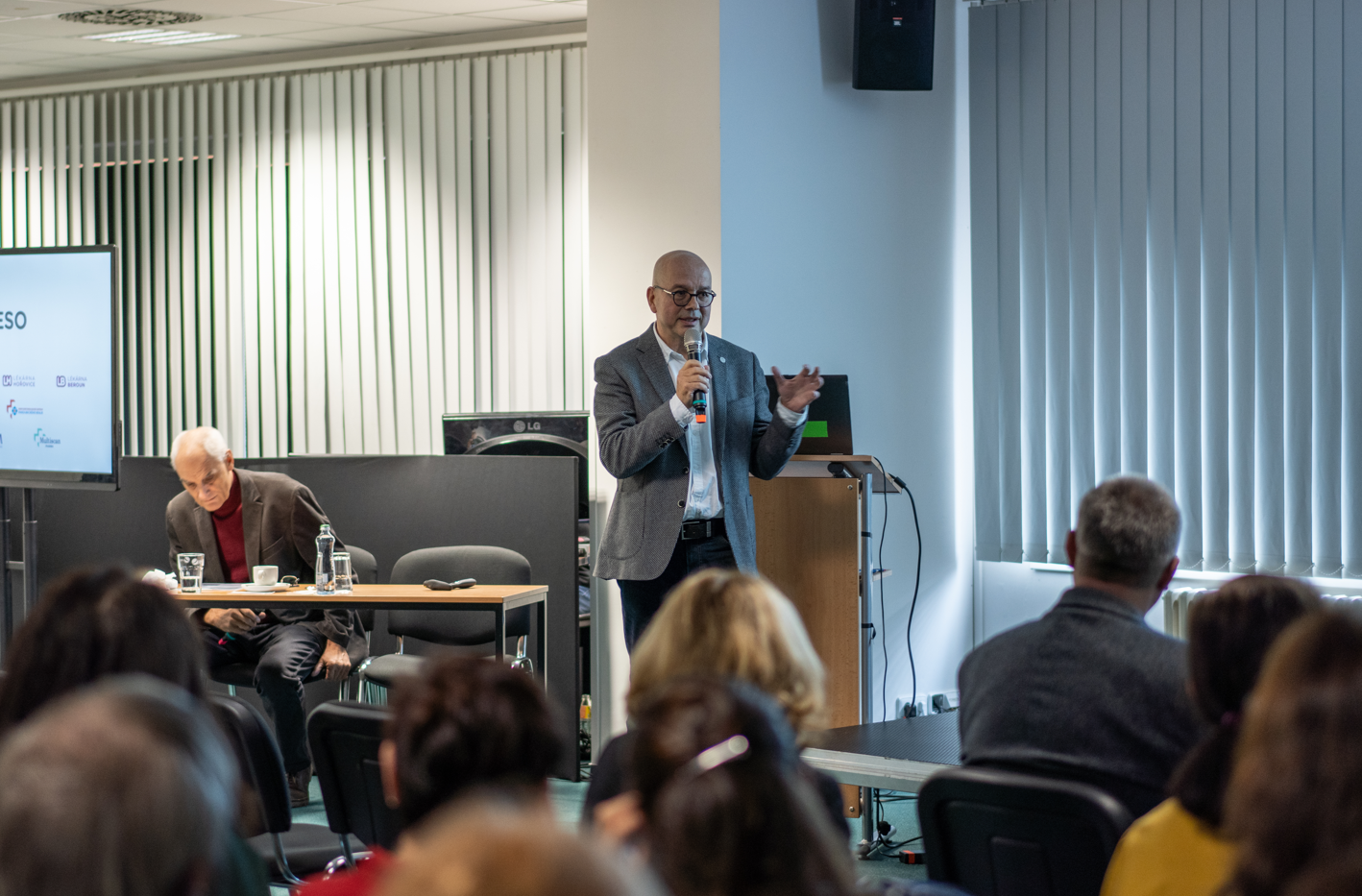
prof. MUDr. Evžen Růžička, CSc.
Prof. MUDr. Evžen Růžička graduated from the Faculty of General Medicine of Charles University in 1982. At the end of 1989 and in the following period he contributed to changes in the clinic, hospital and faculty. During this period he was briefly an advisor to the Ministry of Health. After 1990, Evžen Růžička got a full-time position at the 1st Faculty of Medicine of the Charles University, where he gradually passed through all academic positions.
Since 2006 he has been the head of the neurology clinic at the 1st Faculty of Medicine of Charles University and the University Hospital. Professionally, Evžen Růžička initially focused on neurochemistry. In the 1990s, together with Jan Roth, he revolutionized the topic of extrapyramidal diseases, which has remained his main clinical and research interest to the present day. In this context, it is worth mentioning that Eugene Ruzicka has been introducing dopamine agonist therapy, botulinum toxin, deep brain stimulation and rehabilitation over the last 25 years, and that he has also sparked interest in gait disorders. As a result, he has been instrumental in the establishment of a school that has defined the care and direction of extrapyramidal disorder research in the country.