Česky
Česky


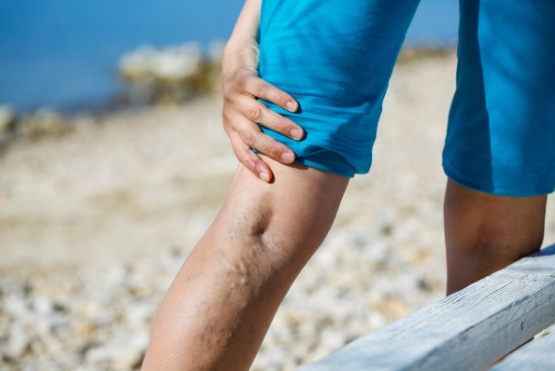
Doctor, how do varicose veins like this form?
Blood is drained from the lower extremities through two venous systems. Mostly through the main so-called deep venous system and a smaller portion through the superficial system. Between the two systems there are connections (perforators) which, when working properly, direct the flow of blood from the superficial to the deep system. Varicose veins are one of the most common diseases of the vascular system and represent dilated and tortuous superficial veins, in which the wall thins, the veins dilate and the venous valves fail to close properly. As a result, the flow is reversed and blood flows from the deep to the superficial system, causing unpleasant discomforts such as swelling, tingling, burning, a feeling of tension in the lower limbs and cramps, often with worsening in the evening and at night. It may also lead to the deposition of dye in the skin, the formation of spots on the skin of the tibiae. Prolonged irritation of the skin may also result in eczema with itching and dry cracking skin. In extreme cases, untreated varicose veins can also lead to the development of a tibial ulcer. In addition, inflammation of the veins and their surroundings can occur. With thinning of the skin, varicose veins can also bother patients with repeated bleeding.
Is it a disease of civilization or is it a faulty lifestyle?
Unfortunately, the factors influencing the development of varicose veins are largely uncontrollable and include, but are not limited to, heredity or hormonal changes (pregnancy, hormone treatment). They often occur mainly in women. Of the factors that we are able to influence, it is then avoiding obesity, observing the right lifestyle (avoid sitting or standing for long periods, consider physical activity), avoiding smoking, exposure to high temperatures and others.
Often varicose veins are seen mainly as an aesthetic problem. So how to avoid them? And is it a big problem in today's population?
Yes, unfortunately around 20% of the population suffers from varicose veins and their incidence increases with age. Women are more likely to suffer from them than men. According to some statistics, this disease occurs to varying degrees in as many as 50-60% of adult women and 30-40% of adult men. As part of prevention, we should include a varied diet with plenty of fibre. Vegetables and fruits, especially citrus fruits, legumes, buckwheat, wholemeal bread and others are recommended. Especially in summer and when there is more physical activity, we should think about drinking. Another important preventive measure is exercise. Suitable sports activities include cycling, swimming, running or walking. On the other hand, certain strength sports can lead to deterioration. It is ideal to include regular stretching of the legs. When resting, do not hesitate to give your feet the comfort of an elevated position. We can also add baths with alternating hot and cold water.
When do you think it is appropriate to seek your ambulance? What is the course of treatment?
If, despite all preventive measures, varicose veins do occur, then depending on their extent and difficulty, we select the most appropriate treatment method to successfully eliminate the varicose veins, improve the cosmetic appearance, eliminate subjective difficulties and prevent possible complications. Treatment of varicose veins can be divided into conservative and surgical. Conservative methods include bandaging of the limbs or compression stockings and drugs that help to strengthen the venous wall, increase elasticity and improve the function of the venous valves. In more advanced stages, it is then necessary to resort to surgical treatment. This may consist of minor outpatient procedures such as sclerotherapy. In this procedure, a special substance is injected into the affected vein, which damages the vein from the inside, leading to its closure and sticking together. This treatment is often performed repeatedly over several sessions. In the case of more extensive involvement, the solution is then surgery, in which the altered vein is removed according to the extent of its involvement.
The vascular surgery outpatient clinic focuses not only on the treatment of varicose veins, otherwise known as varicose veins. Patients with vascular disease, i.e. disease of the arteries and veins, can also include those who have difficulties caused by narrowing of the arteries, i.e. patients with ischaemic disease - anaemia of the lower limbs, patients with disorders of the carotid arteries and patients with difficulties caused by excessive dilation of the arteries, so-called bulges.
To make an appointment at the Vascular Surgery Outpatient Department, call the hospital reception: 311 745 272 / 144 99