Česky
Česky


If I'm not mistaken, Doctor, you've been on our hospital's Covid team since the beginning. Can you please describe how it all started?
I think when the first reports of COVID-19 started to appear in December 2019, followed by warning reports from affected Italy in early 2020, and then the first cases in our country in March, few of us knew what we would have to face a year later.
Our hospital was initially "non-covid". Patients who were suspected of possible infection and required hospitalisation were examined in makeshift rooms outside the hospital, which we promptly built for these cases before our acute admission. Subsequently, we sent patients to hospitals that had beds set aside for them. Conversely, we took internal patients from other hospitals. Especially from our sister hospital Hořovice. These were patients whose infection was not confirmed, so that these hospitals had free capacity for patients with covid. It was challenging for all parties. Over the summer we had a bit of a respite and in the autumn we "caught it" with full force and it has been going on until now.
By the end of September, it was clear that we were facing a second wave, which, with minor easing, smoothly transitioned into a third. The capacities of the mainly infectious diseases wards of all hospitals, where covid patients were cared for until then, were exhausted and so we had to start inpatient care for "covids". We turned part of our internal medicine ward into an infectious disease ward and also built a ward on one floor of our Rehabilitation Center for covid patients who no longer required acute care but could not yet be discharged home for various reasons. Before the end of last year, with the increasing numbers of infected patients, we finally had to convert our entire original internal ward into a covida ward and move the internal ward to an adjacent building to isolate infectious patients from non-infectious patients as much as possible.
What kind of things did you have to deal with? From the testing of those coming into the hospital, to PCR, ANTG. testing to the current state where we can no longer vaccinate.
It's a disease none of us have had experience with. There's been constant changes in regulations, emergency measures and methodologies. We have had to learn to work in protective gear and develop a system for dealing with patients. From entering the hospital, where we set up a triage tent, to examining the patient in the "infectious" tent, to putting them in the covid ward. Finally, we had heated cells built in place of the makeshift rooms (we were really glad for them in the winter), where it is now possible to examine several patients at once in isolation.
Testing patients was initially difficult in that PCR testing is only done in certain laboratories. So we sent samples to Plzeň, Kladno and the Homolka Hospital. Each laboratory worked in a slightly different mode, required different tubes and also delivered results at different time intervals according to their workload. Over time, however, the capacity of the laboratories increased. We used to wait two days for a result, but now we have it within a few hours, except at night. And the situation is now made easier by the antigen testing we do in the hospital. We have an analyser in the laboratory for our acute patients. For the needs of the public, a testing site has been set up in the parking lot below the hospital, where it is possible to be tested both by PCR (samples are sent to Spadia laboratories) and by antigen test - the result is on the spot within 20 minutes.
The whole situation around covid is a huge strain for the management and also for all the medical staff both physically, mentally and professionally. Doctors working with covid patients are constantly learning new information about diagnostic and treatment procedures so that they can provide the best care available at the time. Nurses and support staff from other departments have had to be involved and trained to work in the covida ward. We provide care for patients not only from Berounsko, but also from other congested areas - we have taken over patients from Sokolov, Slany, Sedlčany, Sušice, Cheb... on the basis of requests from the National Dispatching Centre for Inpatient Care.
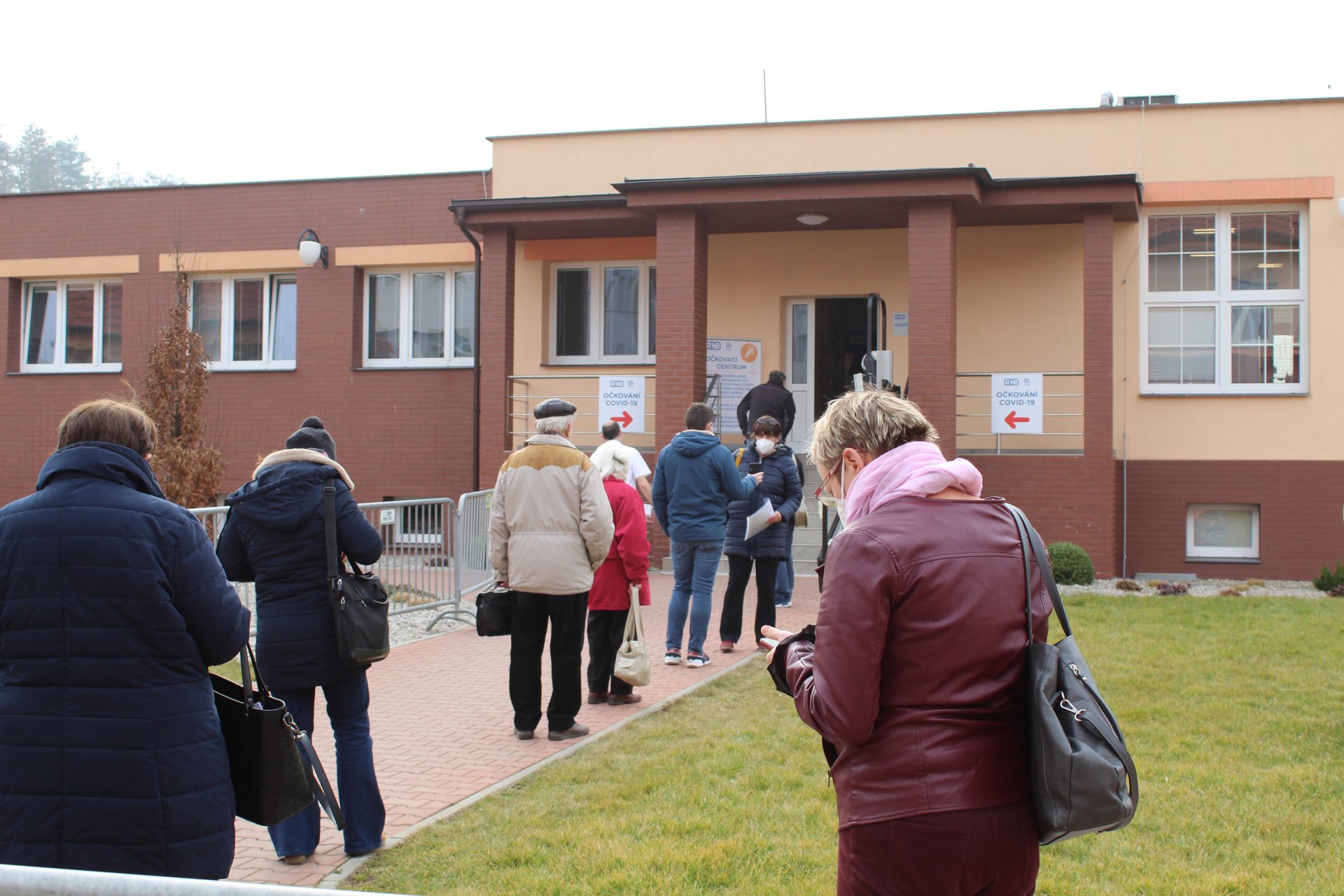
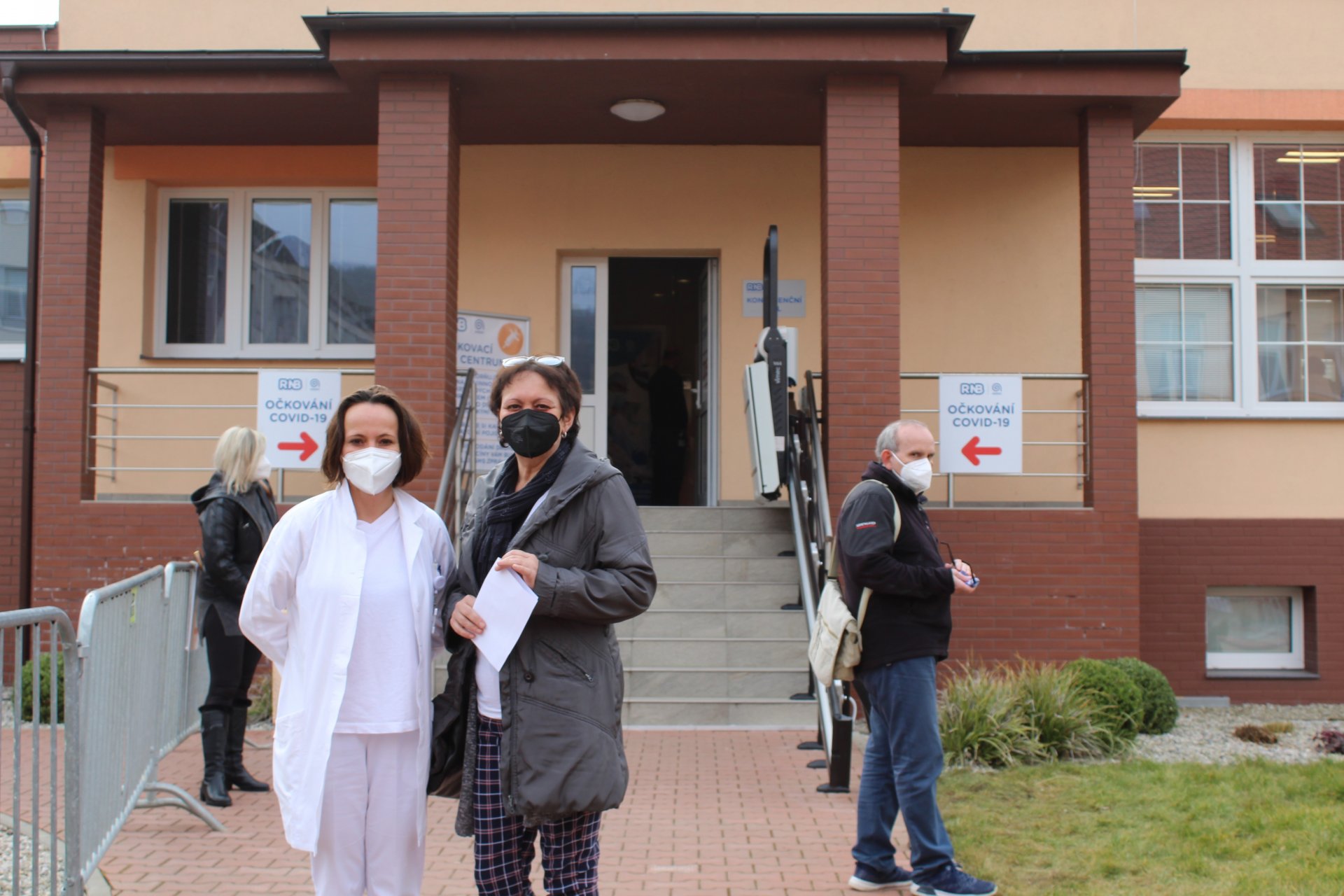
At the beginning of January, we also set up a vaccination point in our hospital, where we vaccinated all health workers, social services workers, seniors 80+ who expressed interest in vaccination. We prepared a mobile vaccination team for the clients of the homes for the elderly, who started to go around and vaccinate these seniors who would have problems to get to us.
Our hospital recently opened a new vaccination centre. What all had to be adjusted and changed?
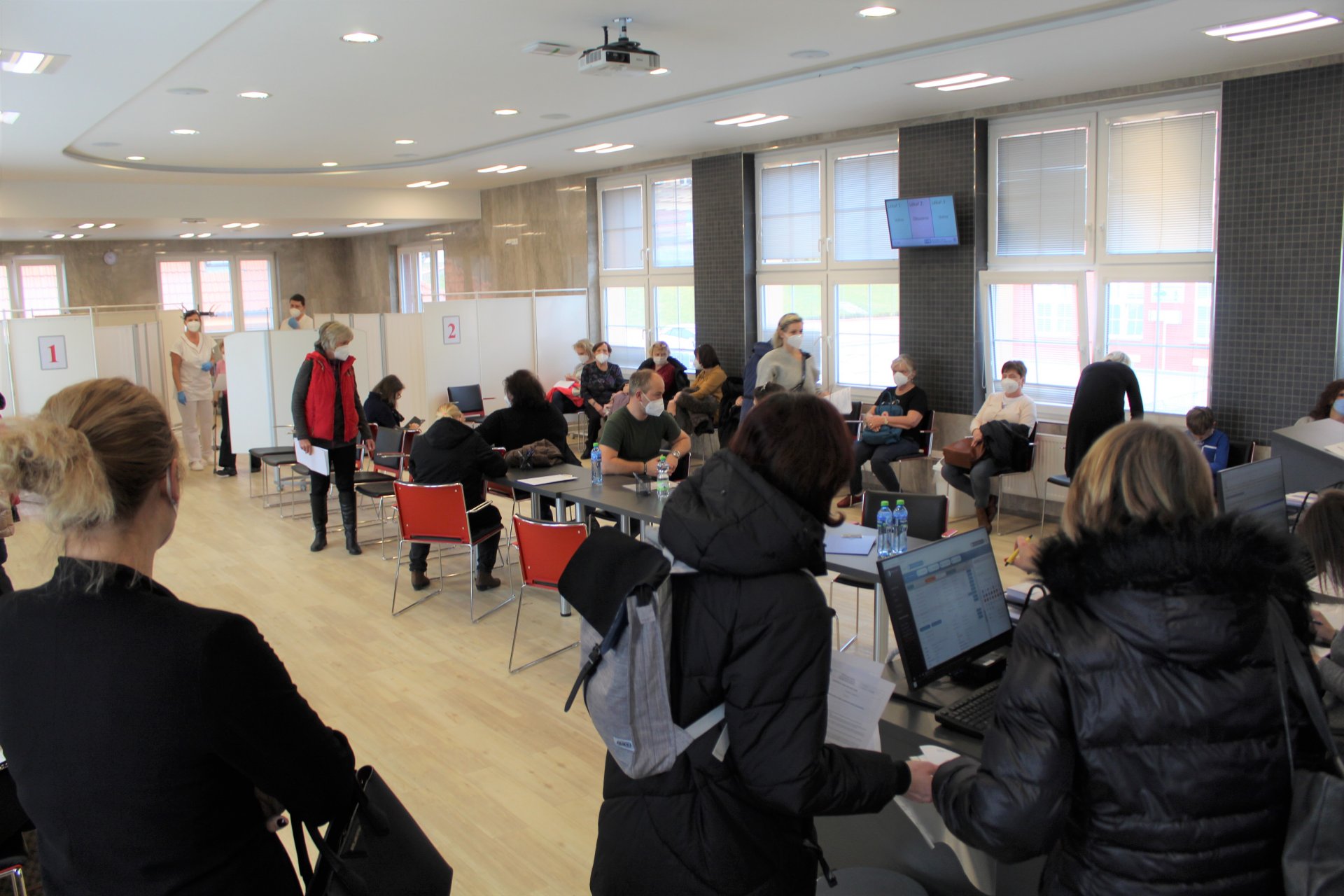
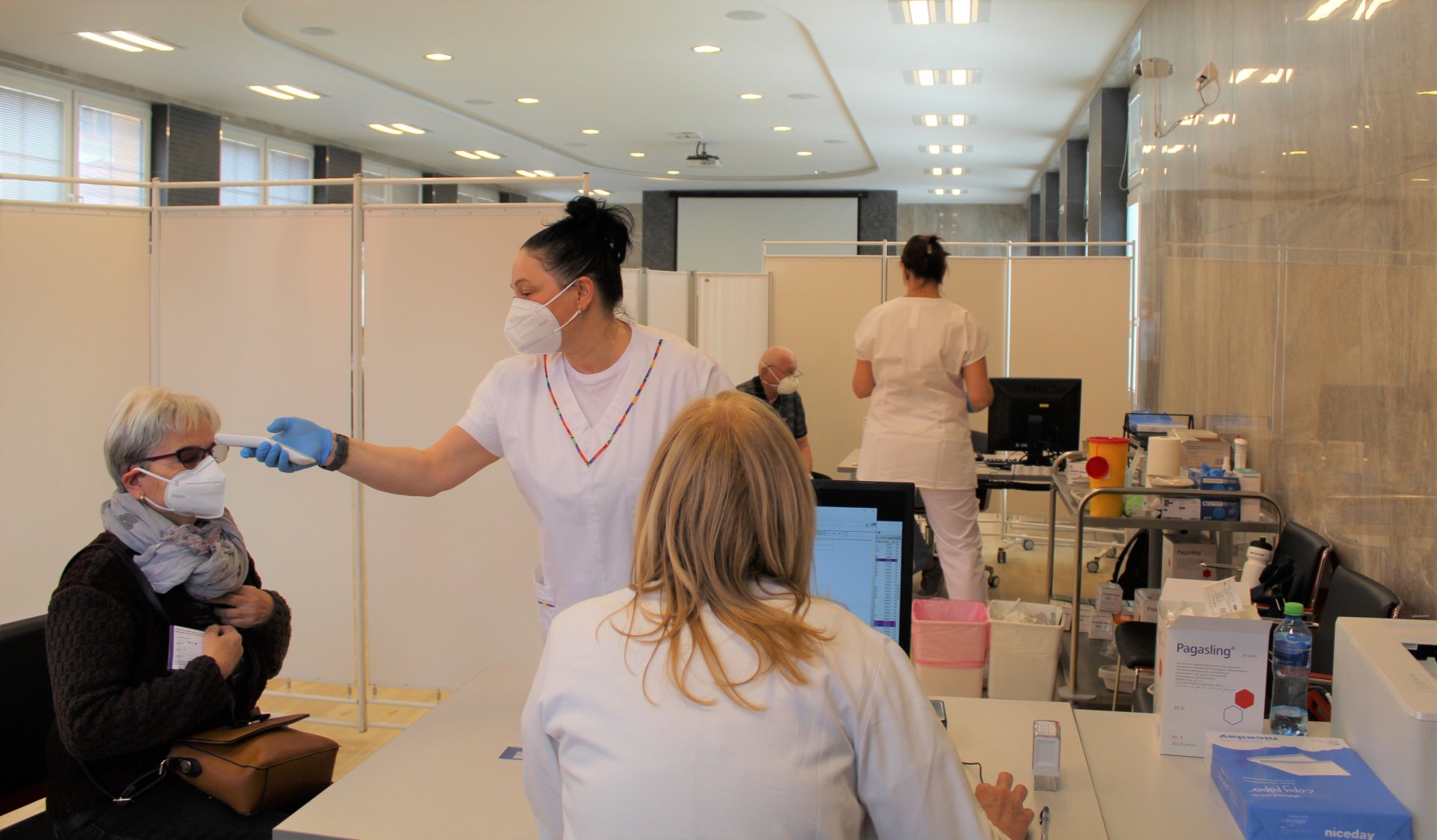
Yes, we opened a large capacity vaccination centre on 1 March, where we are able to vaccinate 250 people a day and up to 330 people from next week. We have also started vaccinating teachers and seniors 70+. In addition, we continue to send a mobile vaccination team to social service facilities as needed.
We have built a vaccination center on the site of our renovated meeting room. The size of the room provides a very good facility not only for the clients but also for the vaccinating staff. However, technical modifications had to be made. We have installed a lift for wheelchair access for disabled patients. We currently have two vaccination teams (administrative staff, nurse, doctor) set up to vaccinate on weekdays from 7 am to 6 pm, but we expect to start vaccinating on weekends if vaccines are available.
You indicated the availability of vaccines. Do you feel pressure from people to prefer one vaccine over another? How do you feel about the widespread information that reactions are more pronounced after the second dose of vaccine?
Vaccination is the most effective way to stop the spread of an epidemic. People often succumb to misinformation or misinterpret the information given by experts. And so it is with information about individual vaccines.
We are vaccinating with the three vaccines available so far - Pfizer, Moderna and AstraZeneca. All three vaccines have been approved and are registered, all three are safe, and all three prevent serious illness, hospitalizations and death.
Vaccine availability was initially limited, but now supplies are increasing weekly and with that we are increasing our vaccine capacity.
As far as side effects are concerned, they are most often mild or moderate (pain, redness and tenderness at the injection site, swollen lymph nodes, headache, fatigue, muscle pain, general weakness, chills, fever, joint pain, vomiting sensations) and usually disappear within a few hours to days after vaccination. Of course, we are also prepared for possible serious side effects in the form of anaphylactic reactions, which fortunately we have not yet experienced.
Do you dare to predict further developments? I mean some scenario of releasing more years for vaccination.
The goal of all of us is to vaccinate as many people as possible, while respecting the rules of prioritization of risk groups, taking into account age, occupation and associated diseases. At the beginning, a vaccination strategy was issued, which we are trying to follow, but it is true that it is somewhat stagnant. This is mainly due to the lack of vaccines, the unpreparedness of the functional systems (registration, booking) and the unpreparedness of the system for involving GPs in vaccination. However, we are trying to deal with all of this gradually and to vaccinate with the best possible effort so that the younger age groups are reached as soon as possible.
Is a possible solution to the shortage of vaccines to take on other manufacturers such as Sputnik from Russia?
At the moment we have three approved vaccines in the Czech Republic and more are pending. According to the available information, no application for registration of Sputnik vaccine has been submitted to the EMA (European Medicines Agency) yet. Each additional vaccine will certainly be beneficial. We are currently awaiting approval of a single-dose vaccine from Johnson and Johnson, which is expected to be approved by the EMA in early March.