Česky
Česky


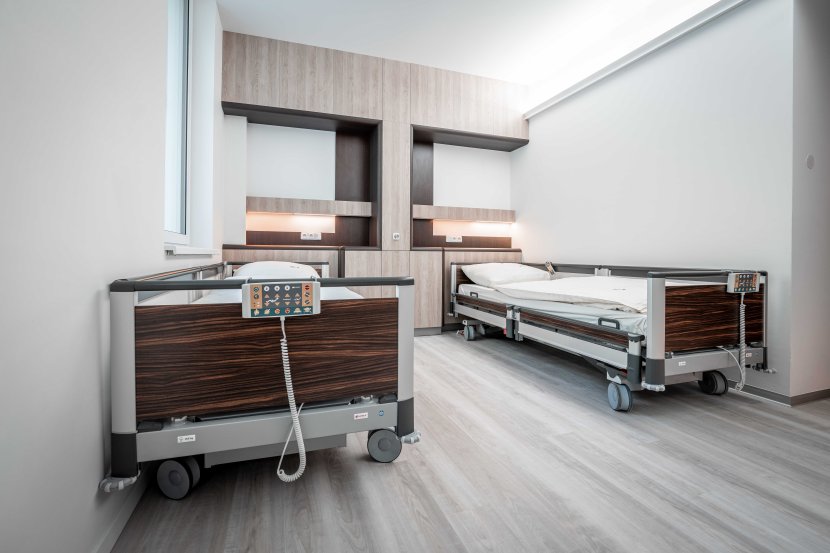
Introducing the acute care room, which will be dedicated to about an eighth of the capacity of the inpatient part of the centre. When the Centre opens to the first patients, the rooms will be as well tuned and safe as possible (for example, the cables to control the bed can be removed if necessary).
Safety features in the acute room
Doors
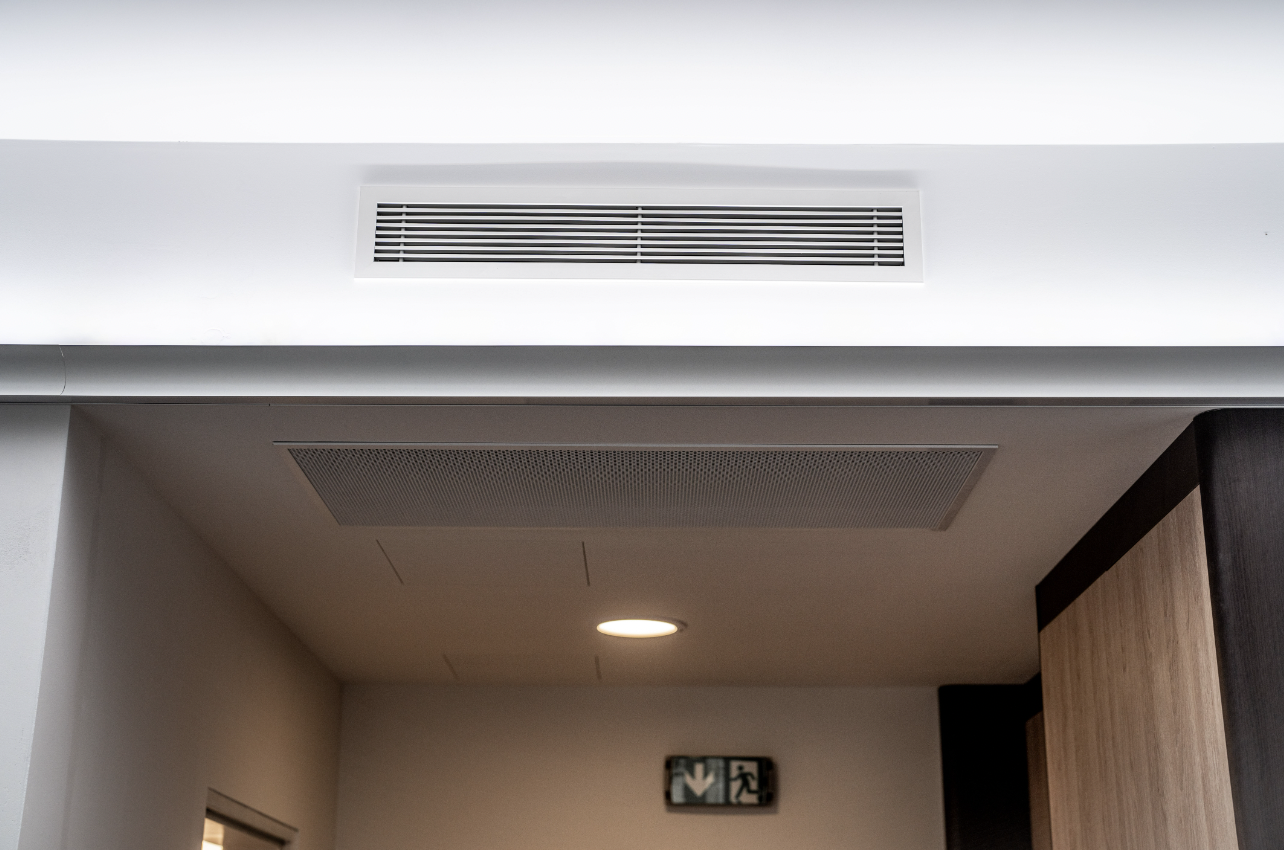
Doors open outwards into corridors so that no one can barricade themselves inside. Openings between the top of the door and the frame will be secured to prevent any objects from being dragged through. The handles will be specially shaped. Hangers and similar items are designed to carry only a certain weight.
Windows
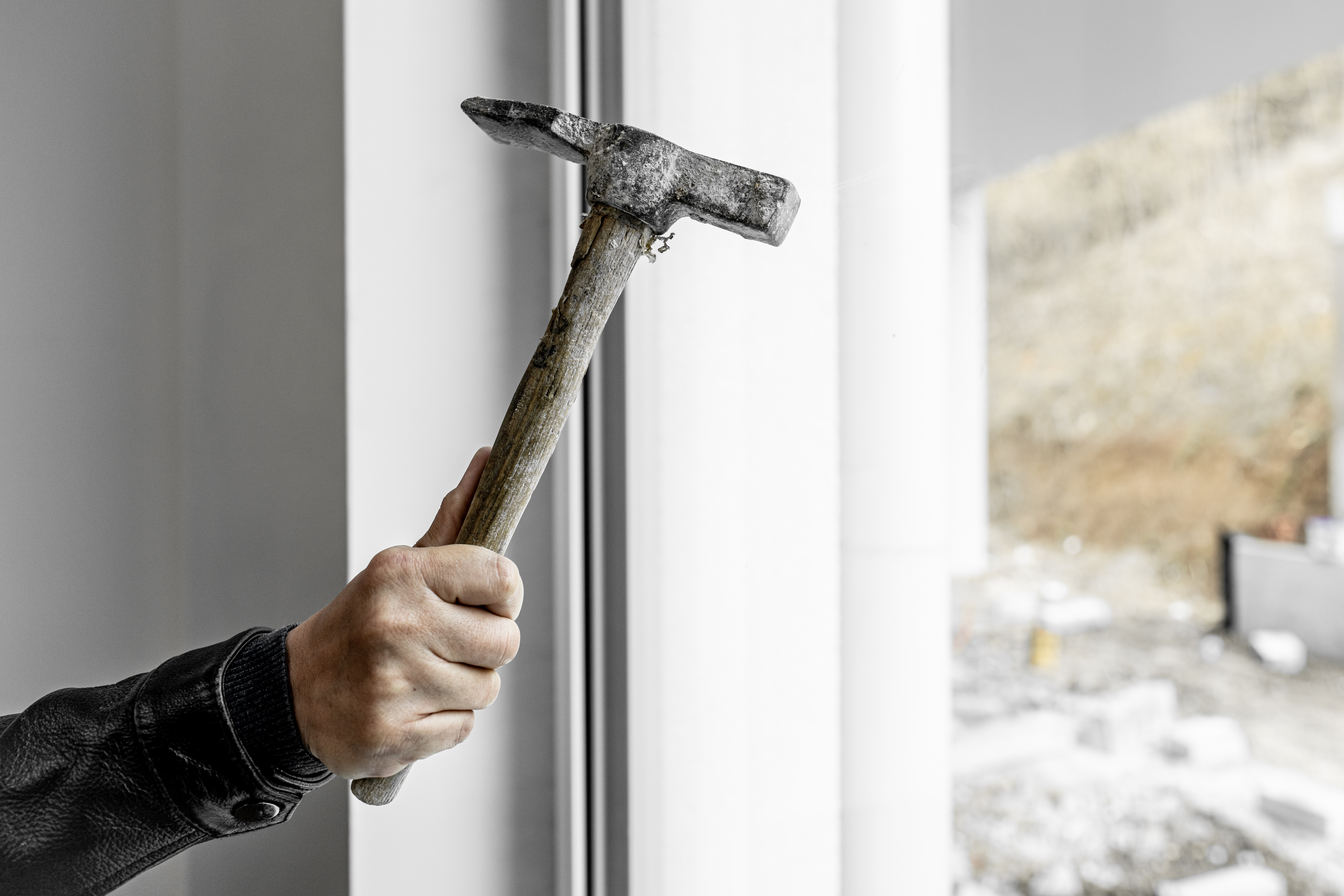
Window glass is a risk due to the production of shards that can be used as a weapon or by the patient to harm themselves. The solution is window films on the inside of the glass. If the glass breaks, risk shards will not be created and the glass will not spill into the space. We tested the glass and films with Construction Team's superintendent and they resisted all attempts to break through.
Design
We make sure the environment is comfortable - we choose materials and design to make patients feel comfortable in the room. The design is identical in both the acute room and the standard room, there is a TV and a kitchenette with a fridge. The overall effect of the environment contributes to psychological well-being.
Bathroom
The acute room has an "antivandal" sanitary arrangement. Neither the sink nor the toilet can be manipulated, the water in the sink is triggered by a button. The mirrors are made of polycarbonate material and cannot be broken or removed. There is a signalling device on the wall.
Lighting
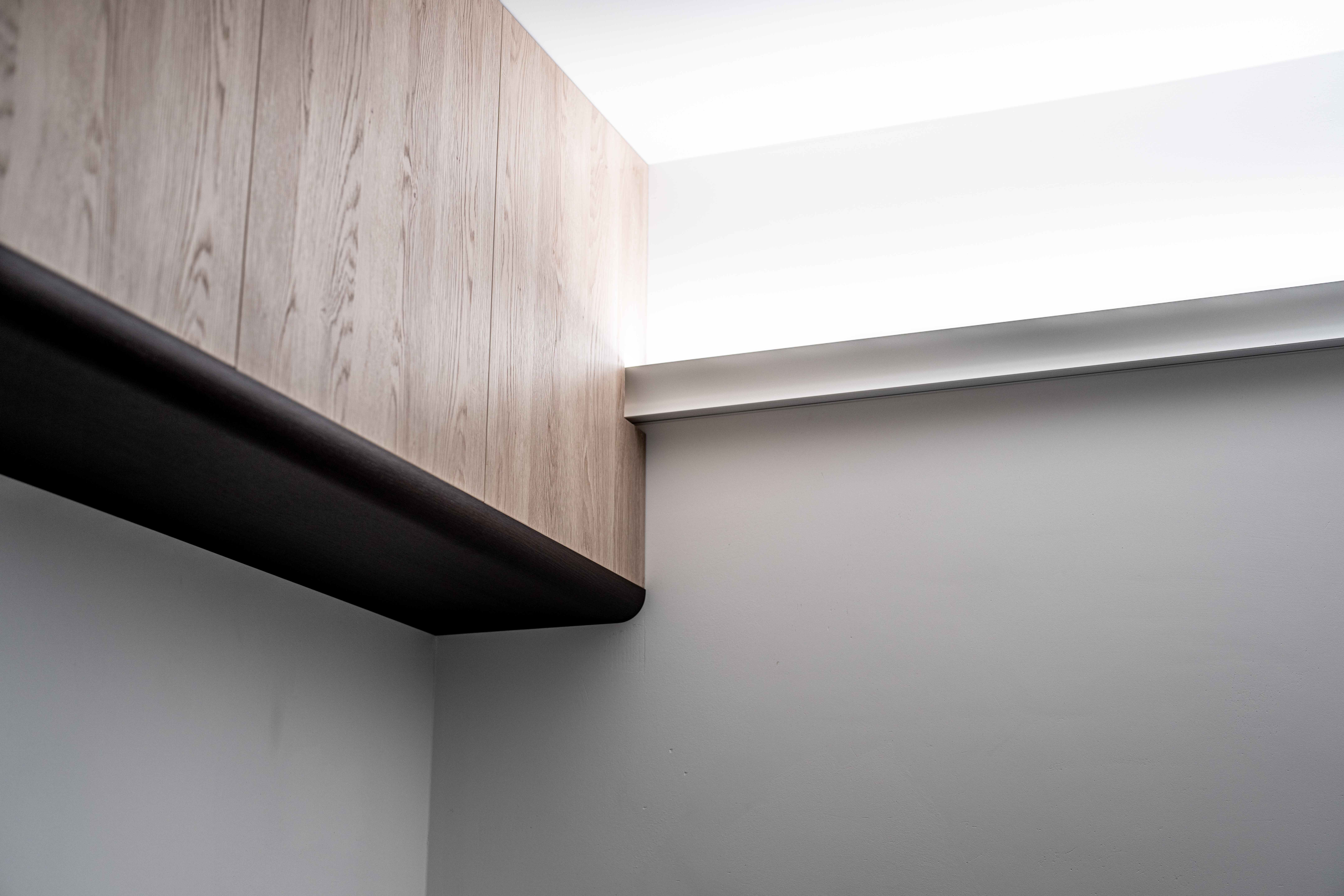
The emphasis on chronobiological treatment is an important therapeutic factor. On the one hand, the entire building will be equipped with circadian lighting, and on the other hand, the setting of individualised chronobiological recommendations will be a standard part of care.
The aim of the use of the CDR lighting system is that, in addition to the subjective perception of space according to the time of day, the lighting will better match the biological needs of the organism and significantly support the therapeutic processes in the CDR building, simply where patients and staff are exposed to artificial light for longer periods of time. The "Apollon" lighting will be installed where there is a 24-hour patient/staff stay and the light conditions will be controlled throughout the day and night.
From morning to afternoon, the "Apollon" will operate with a full range of light spectrum mimicking the biological efficacy of natural sunlight, evening dimmed warm white lighting will mimic the setting sun and nighttime dimmed lighting will create a safe and calm environment in the rooms.
Clients and CDR staff exposed to optimised lighting conditions that replicate the natural rhythms of sunlight will have an adjusted sleep profile and an overall better experience in a mental health facility. The holistic healing process and overall feeling of being in this private facility will be positively impacted and supported. For CDR staff in particular, lighting will help to better maintain attention during night shifts and improve the quality of sleep afterwards.
Camera
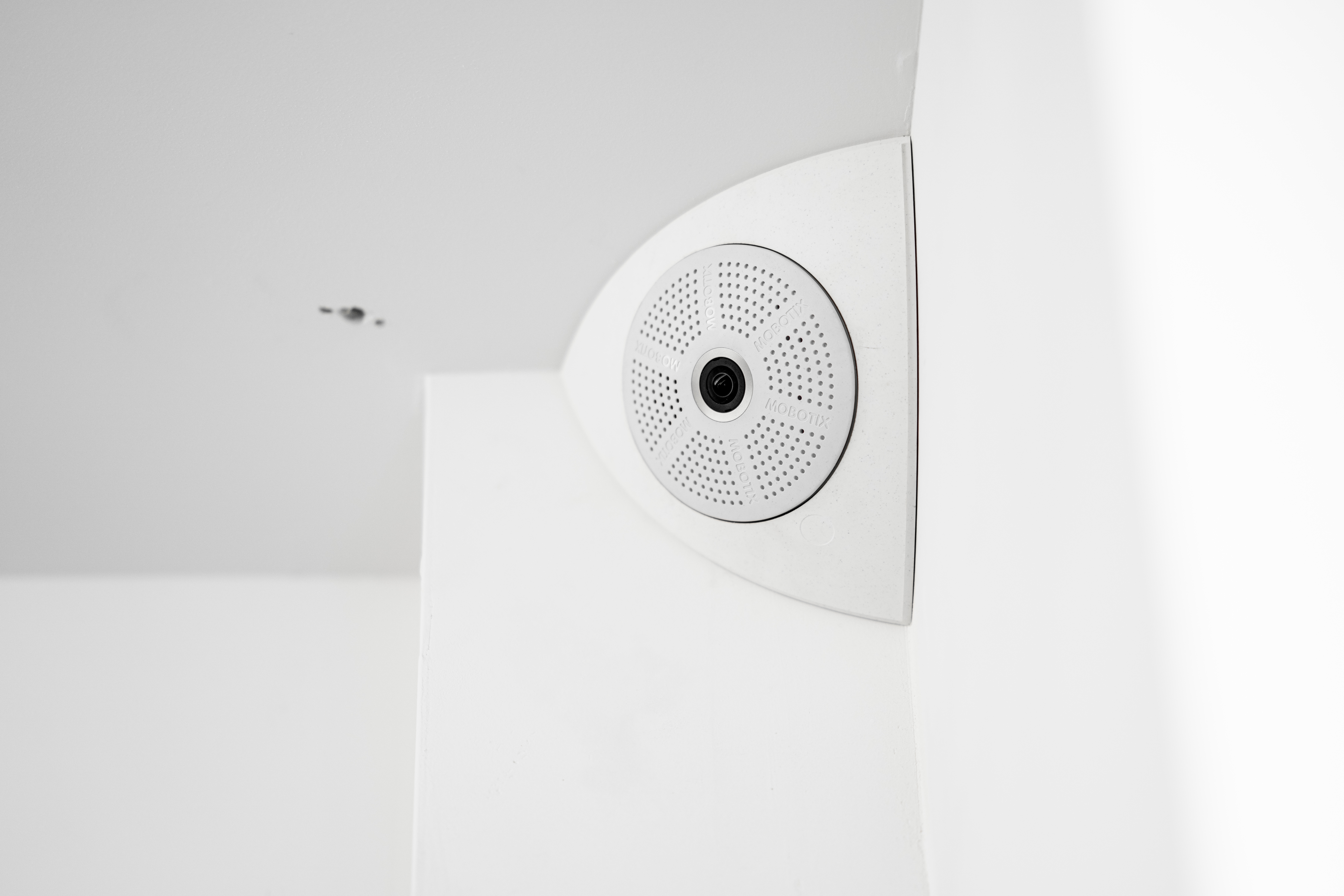
At the Centre for Mental Rehabilitation, we will work sensitively with human rights. We have installed "anti-vandal" cameras in rooms where patients need to be monitored, replacing the semi-transparent mirrors used in the past. If a camera is triggered, the patient is informed by a message on the TV to maintain maximum privacy.
Source: NÉA 13, Text: Pavel Scholz, Photo: Jan Vlček