Česky
Česky


7.1.2010
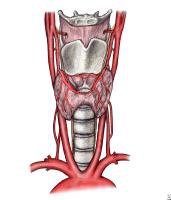
Endocrinology is a subfield of internal medicine that specialises in the prevention, diagnosis and treatment of diseases of the endocrine glands, i.e. those that produce hormones. Hormones in the body regulate the internal environment, water and ion management, and are involved in the maturation and functioning of all body organs, blood formation, nutrition, growth, sexual maturation and other related processes, blood pressure, and much more. Our body is controlled through two systems - the nervous system and the endocrine system. The two control systems communicate and interact with each other, with some events being controlled predominantly through one system and others through the other. The immune system also has an important regulatory function that cannot be overlooked. To put it in very layman's terms - we can think of the body as a big factory in which, if everything is to work, all the machines must be carefully set up and adjusted. If this is not the case, there is a problem. That is why it is certainly not a bad idea to ask MUDr. Pavla Kalouska at least the basics about this issue.
Doctor, what should people look out for - can the first symptoms of illness be just fatigue, mental problems, hair loss and some other problems that bother us but we don't run to the doctor right away?
Indeed, diseases of the endocrine system, especially of the thyroid gland, can initially be brought to our attention by these non-specific symptoms. On the other hand, not all fatigue or increased hair loss is related to endocrine disease.
Is it true that the most common problem that patients come to your office with is thyroid disorders?
Yes, thyroid disorders are among the most common endocrine disorders and typically make up at least 80 percent of the workload in an endocrinology office.
This disease is known to afflict women more. Is there a reason for this?
Thyroid disease affects approximately 5-7% of our population. Yes, it is indeed several times more common in women than in men. But the important thing is that the incidence of thyroid disease increases with age, indiscriminately - in both women and men. Over the age of 70, it occurs in up to 20% of women and 10% of men. There are no clear reasons why it affects more women. However, we do know that hormonal factors also play a major role in the development of the disease. For example, some thyroid diseases are more common during periods of rapid hormonal change such as adolescence, pregnancy and menopause.
Do hereditary factors or persistent exhaustion and stress influence thyroid disease?
The cause of many diseases is not yet clearly understood. Very often it is multifactorial, meaning that several factors are involved in the onset and development of the disease. The influence of the external environment is important, as is the hereditary disposition of the individual. A number of genes are currently being studied in relation to thyroid disease. Other regulatory mechanisms, particularly immunological, also have an impact on the development of the disease. External environmental factors may include infection, physical and chemical influences, and stress. In particular, ionising radiation, smoking, the influence of certain drugs, environmental toxins such as nitrates or polychlorinated biphenyls, and excess or deficiency of certain elements such as iodine, selenium or lithium. The negative effect of stress has been demonstrated particularly in some forms of elevated thyroid function.
Are the manifestations of thyroid disease - i.e. a decrease or increase in thyroid function (in simple terms) immediately recognisable?
Thyroid disorders, especially a decrease in thyroid function, are often initially manifested by non-specific symptoms that come on creeping. These may include increased fatigue, sleep disturbances, changes in appetite, coldness, constipation.
Doctor, could you give us an overview of endocrinology testing? And what can you test patients directly at the hospital in Beroun?
The basis of the examination is always a detailed collection of anamnestic data and clinical examination. This is usually followed by a laboratory examination of a blood sample and possibly a urine sample, which sometimes has to be repeated. Of the imaging methods, sonography is the most widely used in endocrinological diagnosis, especially of thyroid diseases, and other methods such as CT, NMR and scintigraphy are also used if necessary. We are able to provide most of these examinations at the hospital in Beroun and Hořovice. However, some examinations have to be performed at specialised endocrinology departments in Prague.
What are the other most common endocrine disorders you encounter?
These are disorders of the adrenal glands, parathyroid glands and pituitary gland.
What about disorders that cause obesity?
In obese individuals, the vast majority of cases are primary obesity, which results from a disparity between energy intake and energy expenditure. The genetic disposition of the individual also plays a role. Secondary obesity, which is a manifestation of another underlying disease, is relatively rare and accounts for only 3-5 % of all obesity. Obesity belongs to the picture of some diseases conditioned by hypothalamo-pituitary involvement and may also be a manifestation of some other endocrinopathies, most commonly Cushing's syndrome and polycystic ovary syndrome. However, obesity, especially of a higher degree, is not one of the typical manifestations of hypothyroidism-reduced thyroid function, as is often the tradition, although a slight weight gain is often encountered in these patients.
For example, can women with conception problems also come to you? Alternatively, those who are having great difficulty coping with menopause?
Since diseases of the endocrine system can affect reproductive function, patients who have difficulty conceiving are also referred for endocrinological examinations. Patients with menopausal syndrome are more likely to be seen in the gynaecological outpatient clinic.
How can I make an appointment at the endocrinology outpatient clinic in the Beroun hospital?
Anyone can make an appointment at the endocrinology outpatient clinic at the Beroun Hospital by calling the outpatient services reception at 311 745 272 or 311 745 329, so that the date and time are as convenient as possible.