Česky
Česky


Thursday, 11 April, is World Parkinson's Disease Day, marking the birth of British surgeon James Parkinson, who was the first to describe the symptoms of this currently incurable disease, which degeneratively affects the central nervous system and progressively worsens. As a result, the affected person gradually becomes unable to control his or her movements.
Regular exercise is an important preventive measure
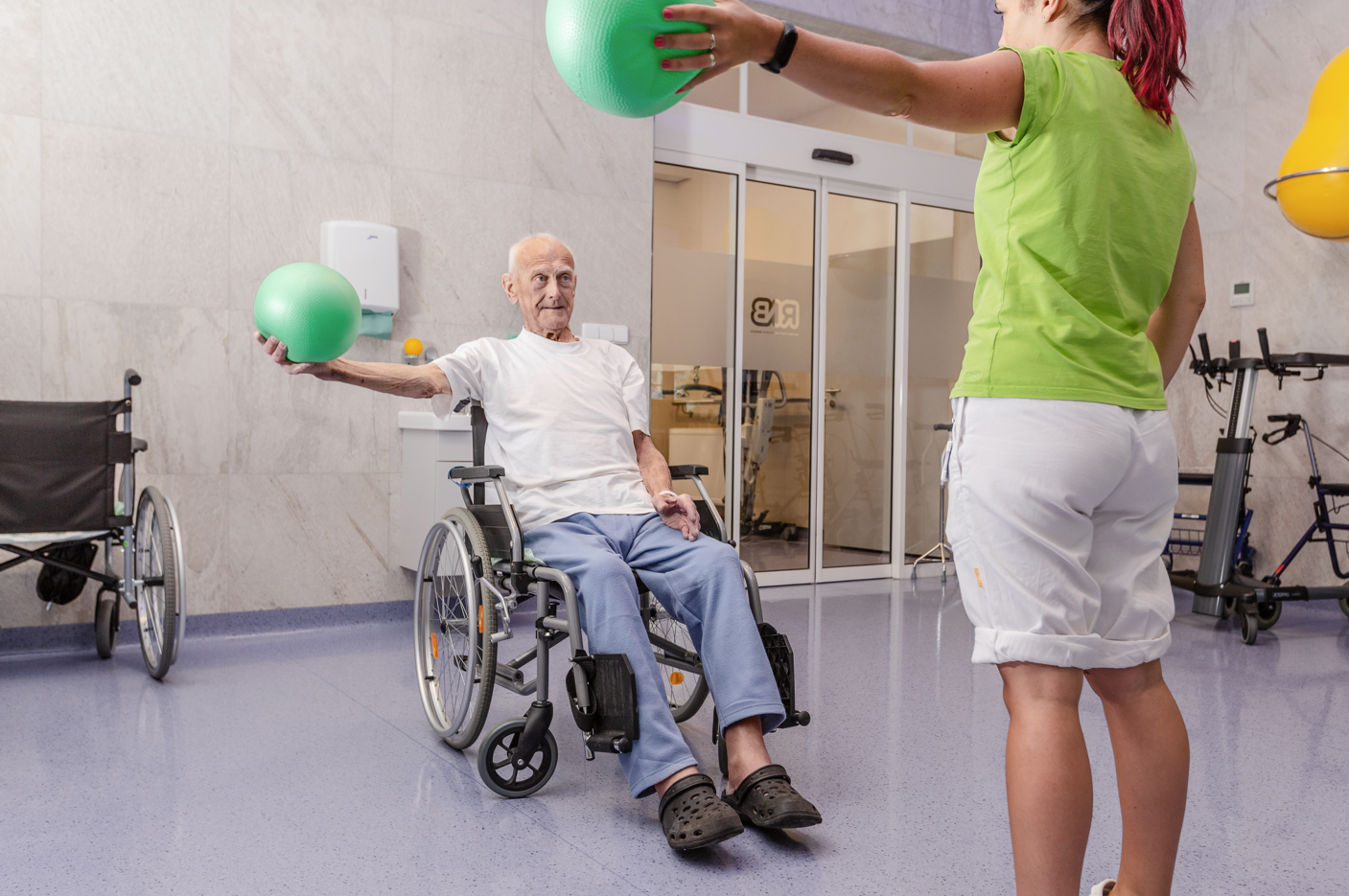
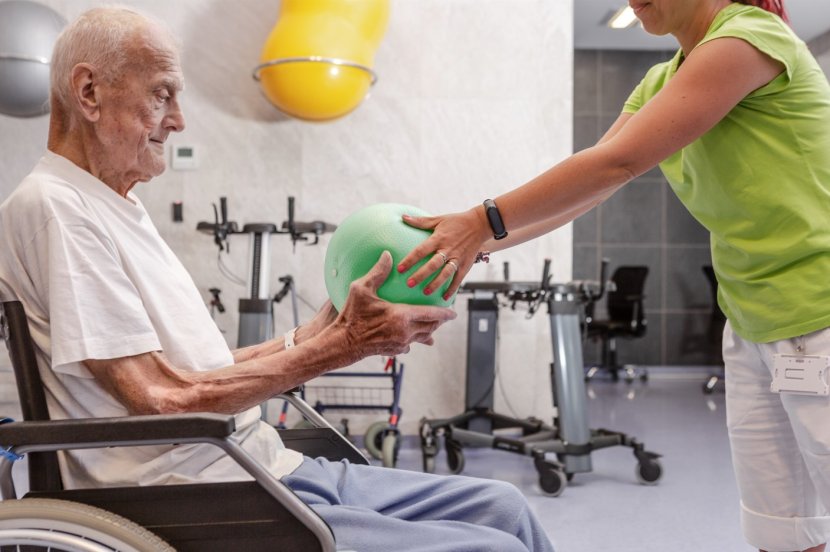
However, the symptoms of the disease can be alleviated by medication and exercise is a very effective prevention. A more detailed view of the matter was given by Bc. Janis Lukáš, Cert. MDT, a physiotherapist who specializes in parkinsonics, among other things. In the rehabilitation centre, he works with a whole team of other physiotherapist colleagues and doctors, who together develop treatment programmes based on the most advanced global research and long-term studies. "In a nutshell, all of this professional work agrees that people with PCH need to be as active as possible," says the physiotherapist at the outset.
According to him, this involves different types of so-called interventions where the whole body needs to be regularly moved. Active exercise on their own and outside the premises of rehabilitation centres is strongly recommended for people who face the disease in its early stages, when they do not need various compensatory aids.
"Patients should exercise aerobically and resistively in the form of, for example, circuit training. Such activity principally leads to neuroprotection of cells that have not yet been affected by degeneration. However, it is important to mention that they must be treated with medication, which needs to be in line with physiotherapy. In our experience, we have observed that people who regularly take medication and exercise show the best results," continues Janis Lukáš.
The method of pushing people
However, a more individual approach is needed for patients with more advanced stages of the disease. "We choose this route because being part of a group is already very challenging for them and also because we focus on specific problems. There are a number of these, with falls, loss of coordination and automaticity or tremors being among the most common," the physiotherapist explains.
The most common problems are reactive balance problems. In practice, this can be imagined when, for example, a person is standing on a bus and waiting for it to start. Or a situation where the bus suddenly brakes. "In both cases, your brain sends you a signal to react with your body to the change in stability. A healthy person can compensate for this without any problem. But in parkinsonian people, the mechanisms to maintain balance are disrupted and our job is to stimulate them. And we do that by, simply put, poking them. Of course, we control their movements and catch them to prevent them from falling. It must be added that this technique is highly recommended and brings excellent results," Janis Lukáš explains.
Mr. Zdeněk from Prague, who has been living with PCH for 22 years, describes his personal experience. He has been visiting the Jan Calta Rehabilitation Centre since November last year. "According to the last examination, I was on the verge of falling. Fortunately, thanks to the rehabilitation exercises for balance, I have become much more confident in my movement. In addition, I have gained muscle mass, so I feel much more secure in many everyday life situations that were already becoming problematic," concludes the senior.