Česky
Česky


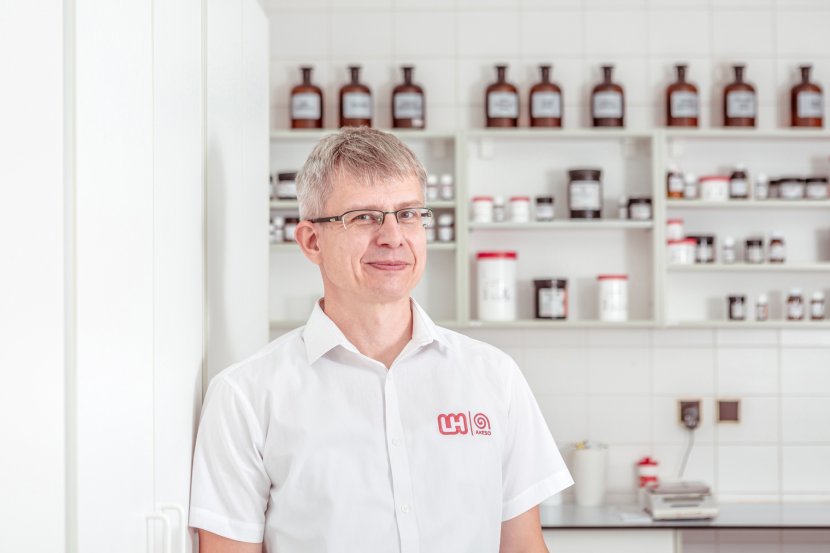
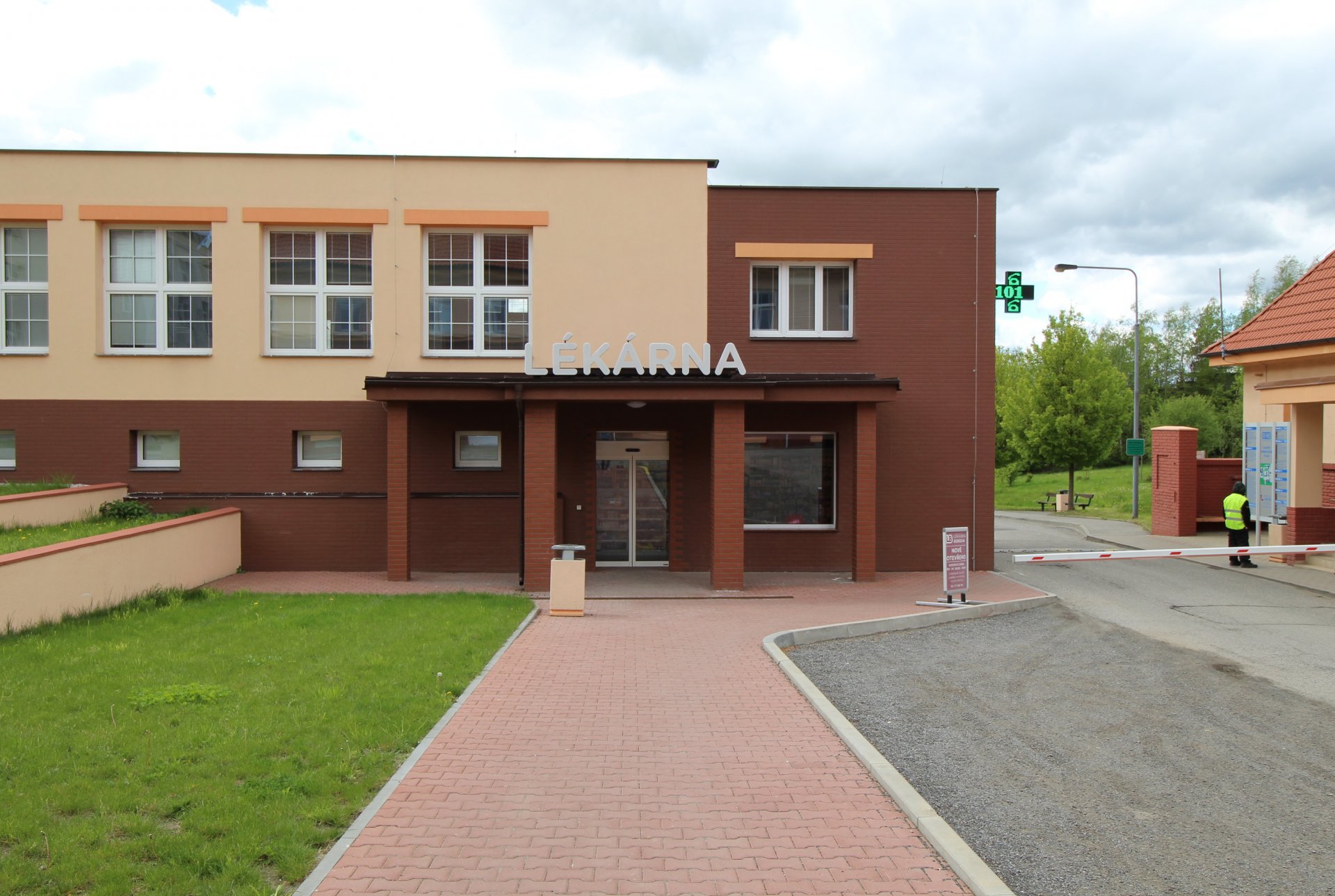
AKESO Group also has Senimed in its portfolio , which operates two pharmacies and distributes medicines to hospitals in Beroun and Hořovice, which are part of the group. The professional pharmacy activities are provided by a team of seventeen people led by Tomáš Veverka. He says that Senimed pharmacies are among the top in their field and that what patients in Beroun and Hořovice encounter is far from commonplace.
What all falls under your remit?
Senimed includes the pharmacies of the hospitals in Hořovice and Beroun. The pharmacies are medical facilities necessary for the operation of both hospitals. From Hořovice we supply medicines to our hospitals of AKESO holding. In Beroun we focus on a wide range of medical devices. Rehabilitation Hospital Beroun is known for its quality throughout the country. Almost always it has a 100% occupancy rate, patients after orthopaedic surgeries from a large catchment area are treated there. After discharge to home care, they need orthopaedic and rehabilitation aids. That is why we have a very rich assortment of walkers, orthoses, bandages, cervical collars, lumbar and hernia belts, crutches, ostomy aids, epithetics...
We have a wide range of medicines and nutritional supplements, we stock a wider range than usual. In this respect, we are primarily concerned with the health, satisfaction and comfort of the patient. We do not try to substitute medicines or offer substitutes, we stick to what the doctor prescribes. We provide many medications without a co-payment or with a lower than usual co-payment. In total, we stock thousands of items.
The medication preparation room is that secret place where we make individually prescribed medications tailored to the patient. We are able to prepare many of the medicines on demand, which again is considerably more convenient for the patient than usual. Every day we deal with dozens of individual requests in this way. Preparation is also carried out for the wards of both hospitals.
How does the cooperation with the hospital work - how does the ordering of the medicine work?
The individual departments in the hospitals have their own stocks of medicines, which they continuously replenish with us. The doctor prescribes the medicine for the hospitalised patient and it is administered. If the medicine is not in the department's stock, the doctor orders it from our pharmacy. This happens mostly in cases of some unusual drugs that are not used that often. We have many medicines in stock or can arrange for their delivery quickly. In the standard procedure, almost all communication is electronic, for example, requests are electronic, and we deal with details directly by phone or in person with the individual departments. Pharmacists from our Clinical Pharmacy department actively cooperate with physicians in patient treatment. Clinical pharmacists deal with drug interactions, dosing of drugs according to renal function status and other laboratory values, dosing of drugs according to measured levels, for example for antibiotics.
What medicines typically go to hospitals and what, on the other hand, do people buy most over-the-counter?
This of course depends on the specific department. All departments order antibiotics, high blood pressure drugs, diabetes mellitus, cholesterol-lowering drugs, glucocorticoids and painkillers are common, as well as low-molecular-weight heparins. The anaesthesiology and resuscitation department has a different range, mainly for acute conditions, such as noradrenaline, propofol and sufentanyl. For paediatric patients, we often prepare drugs taking into account their age and weight.
From the over-the-counter range, the best-selling products are pain and fever remedies, vitamins, immunity boosters, and remedies for urinary tract and prostate problems. Cosmetics from La Roche-Possay, Vichy, Eucerin and Avène are popular. Mothers leaving our Hořovice maternity hospital, which is sought after for its quality care by parents from Prague and the entire Central Bohemia region, will find everything they need to take care of their babies and themselves.
And recently there has been a demand for disposable drapes.
Does it happen that some medicine runs out? What happens then?
It happens all the time. Just look at the website of the National Institute for Drug Control. There's a list of drugs for which the manufacturer reports a supply shortage, and the list is never very concise. A responsible pharmacy - and we are, of course - monitors the market situation, and if we have information about a drug being out of stock, we try to secure these medicines by pre-stocking. Even so, sometimes it may happen that we need to look for alternatives, but we try to avoid that.
What does it take to hold such a broad portfolio of products?
There is a lot of administration and a lot of responsibilities behind it. Imagine just taking delivery of medicines. The supplier brings in 80 boxes at a time, which we have to quickly check and accept. And because of the anti-counterfeiting directive, each package of medicine has its own unique code, so everything has to be completely processed manually. Each box is picked up by one of us and scanned with a scanner to clearly guarantee the origin of the medicine. The unique code then shows where the medicine was manufactured and where it was eventually dispensed. It's not just about the possibility of a fake medicine, but also about the traceability of each individual pack.
We have refrigerators in pharmacies that have to be a little more sophisticated than those for use in the home. Their job is to ensure a constant temperature throughout the space so that medicines are stored in the conditions prescribed for them. In the event of temperature problems, the automatic temperature monitoring system will alert us.
We have to keep an eye on the quality of the raw materials we use to make medicines in our preparation room.
Current legislation requires us to keep records of all activities related to the journey of the medicine, from ordering to billing the health insurance company. This requires a lot of administration and we have to keep perfect records of practically everything. A team of seventeen really capable people takes care of all this in both pharmacies.
What does the warehouse look like in such a pharmacy?
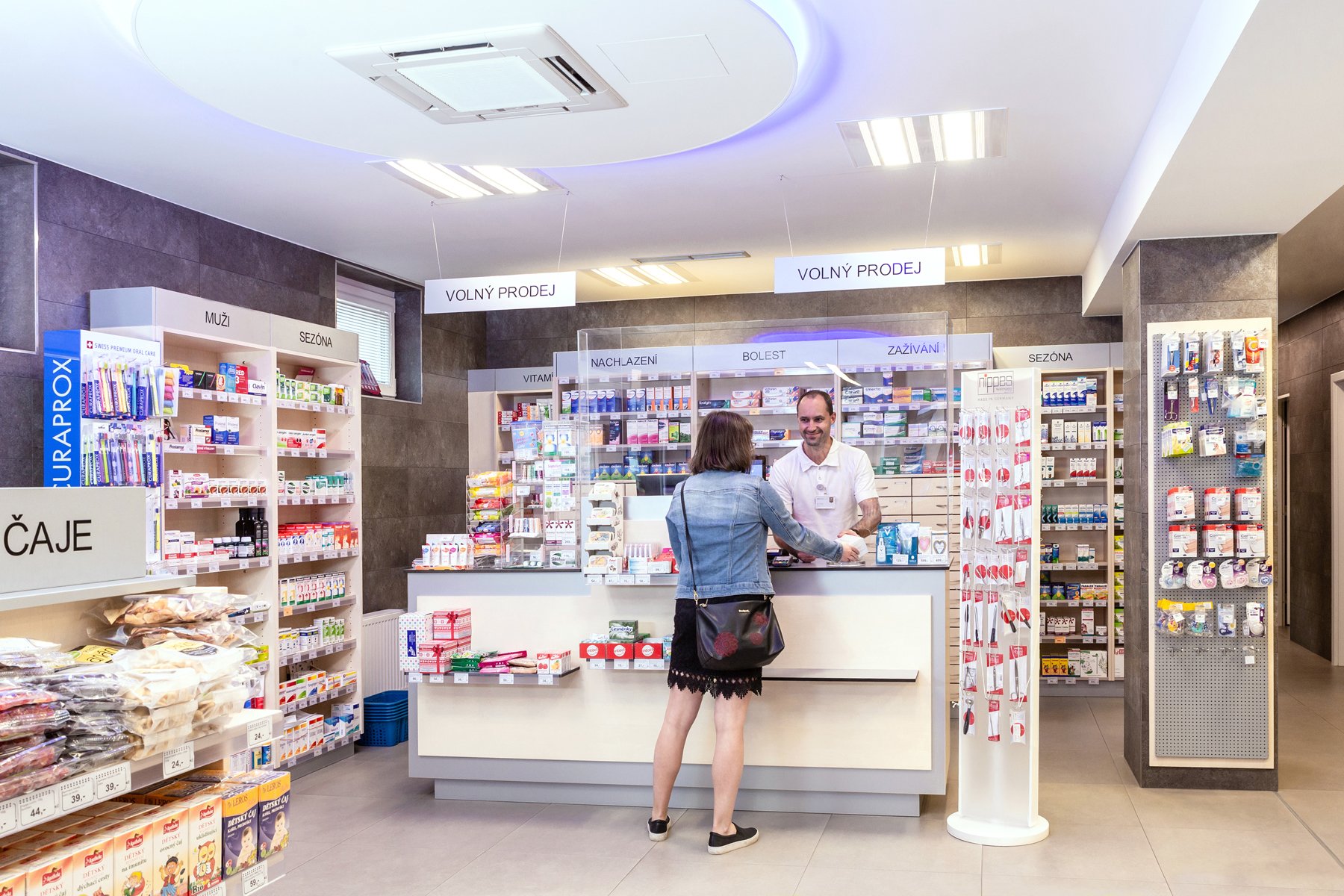
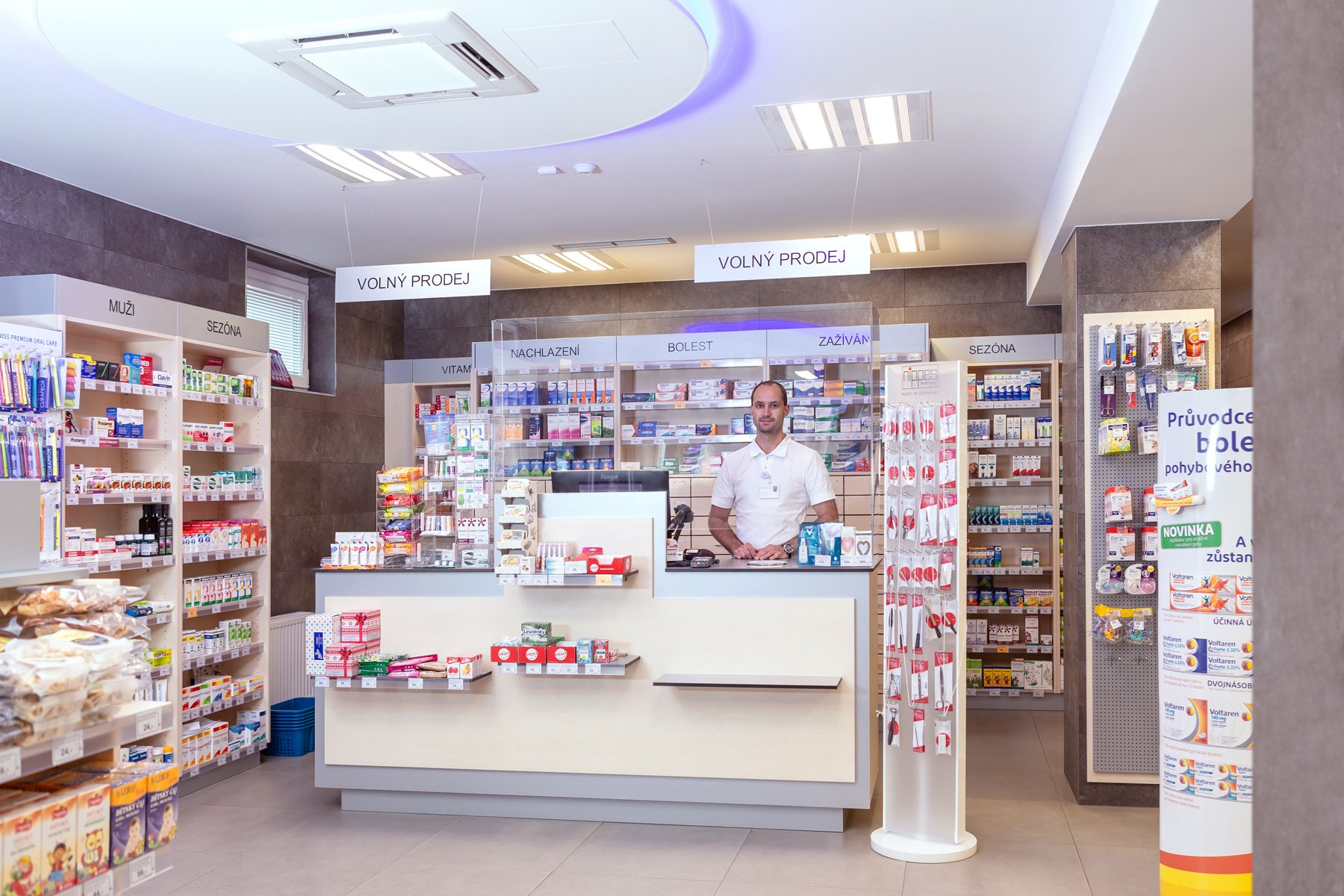
The warehouse space is not extensive, yet it plays a big role. Everything has to be easy to keep track of and neatly organised. The warehouse has a functional layout, a special section is dedicated to the dispensing of hospital requests. But it is not just about the warehouse. The pharmacy, for most people, is the clean and neat space with dispensing points that they are familiar with. But we have quite extensive facilities. In addition to the warehouse and administrative space, we have the aforementioned drug preparation room. We also do clinical trials, and that requires a separate area. The aforementioned clinical pharmacists also have a separate room.
Text.