Česky
Česky


More than three quarters of the more than 400 people admitted to the Beroun hospital's aftercare department each year go home.
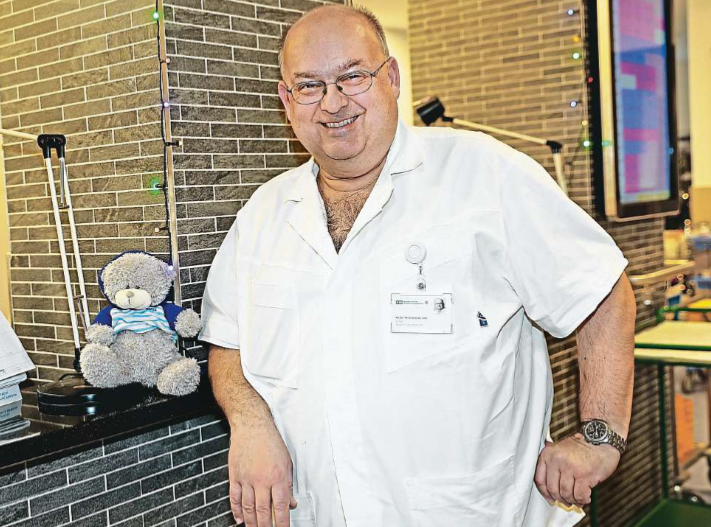
Internist Miloš Stoilov has been in charge of the aftercare department at the Beroun Rehabilitation Hospital since 2012. He and his team care for hundreds of patients every year. Since the end of last year, patients have been staying in the renovated ward.
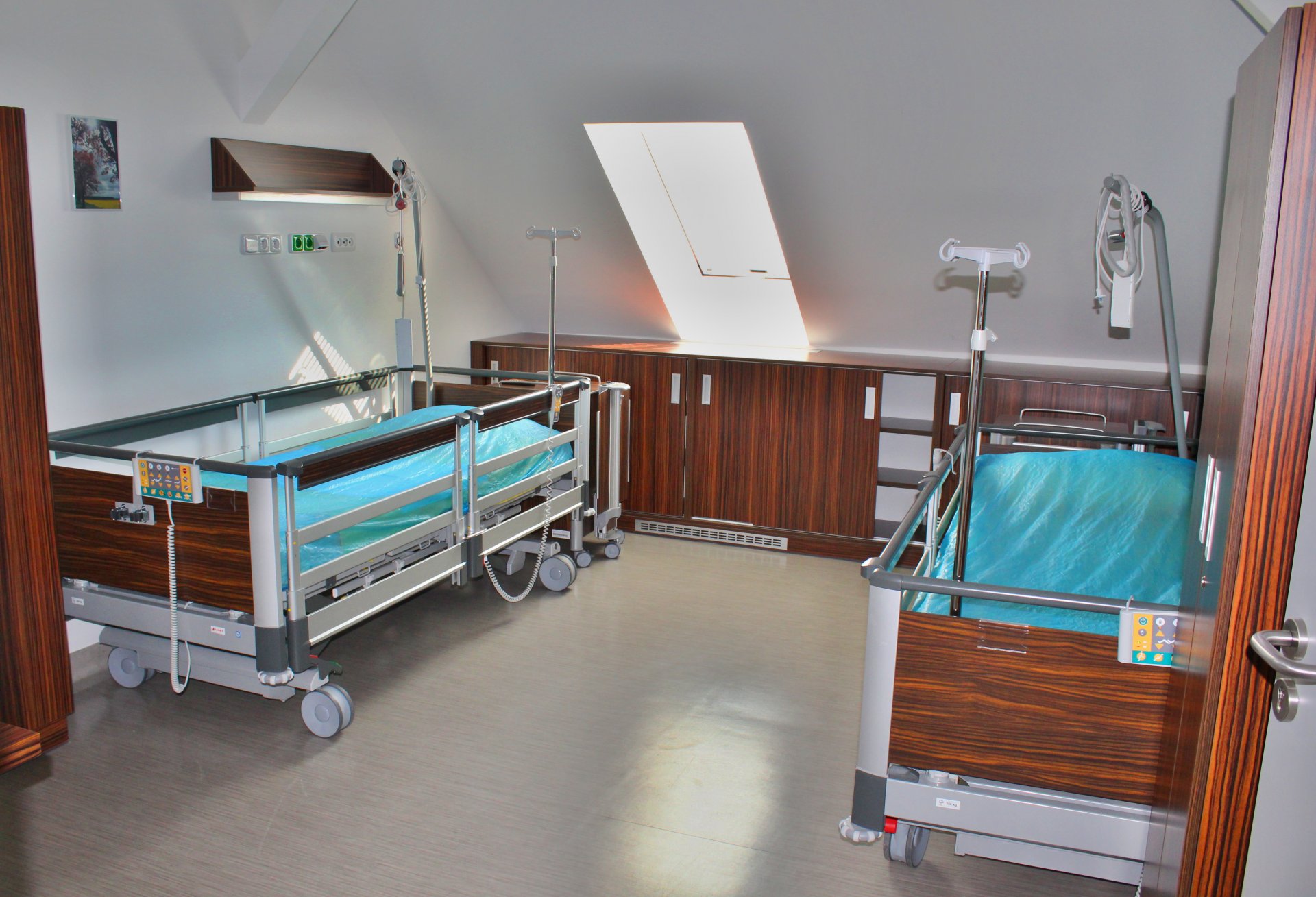
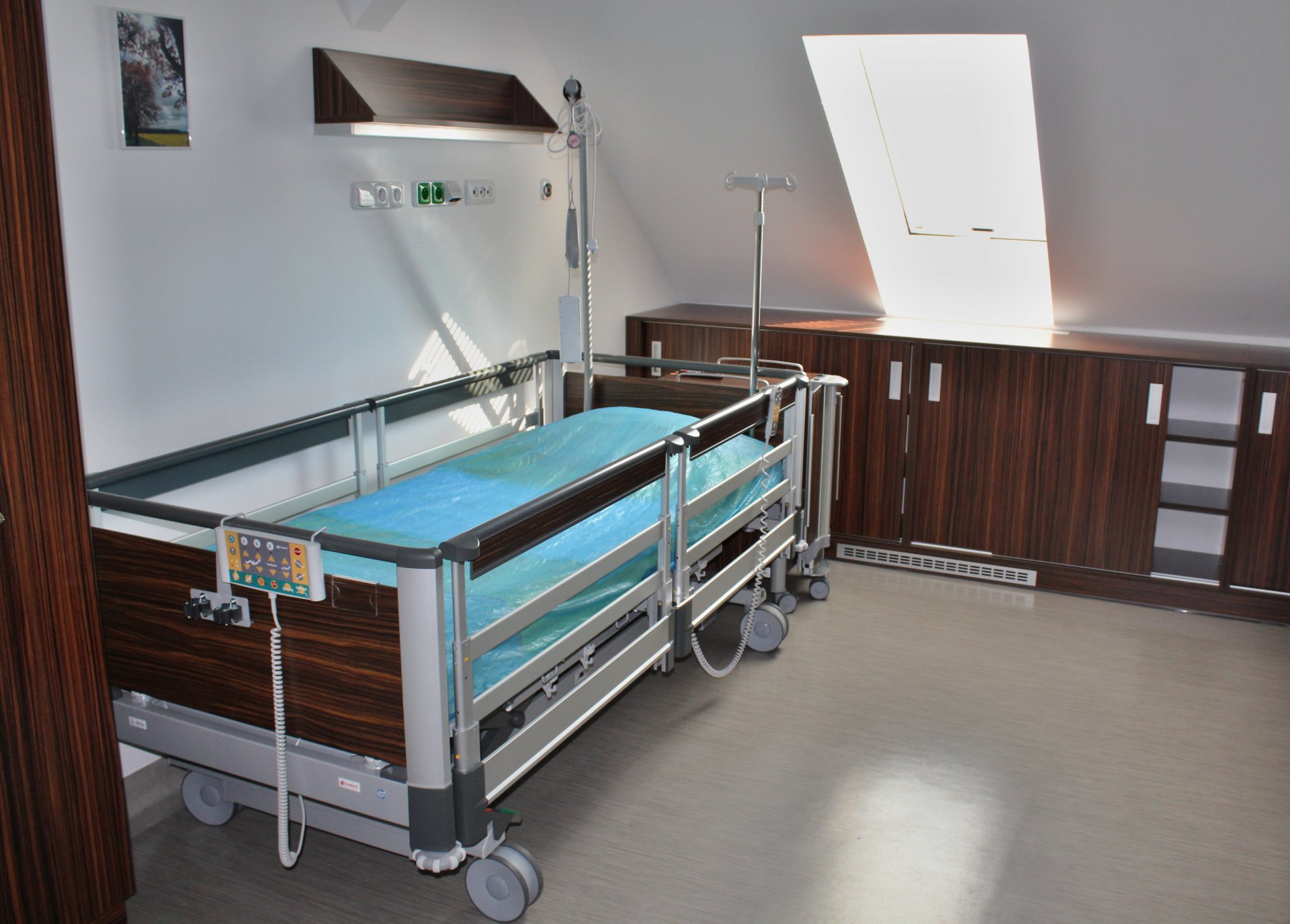
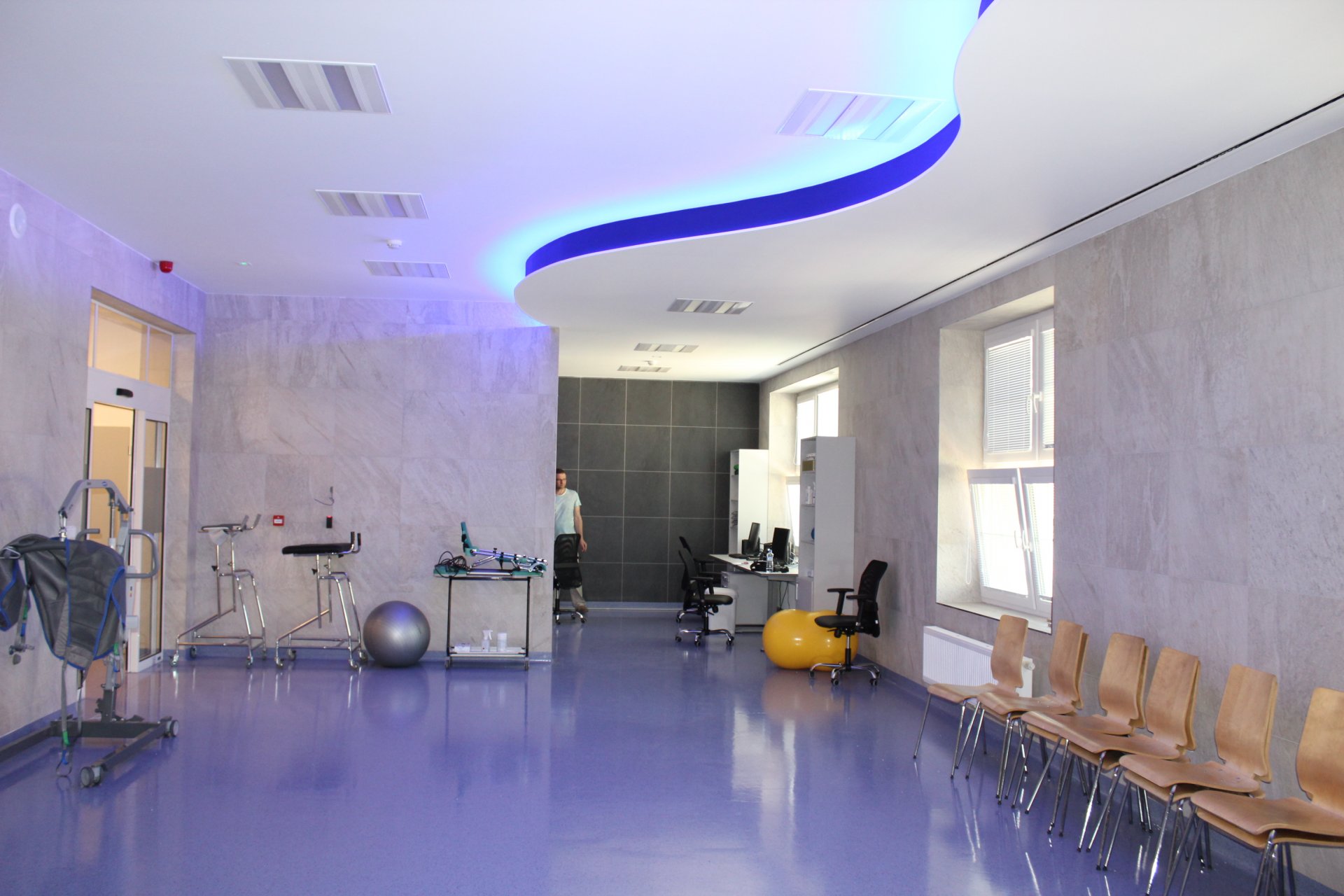
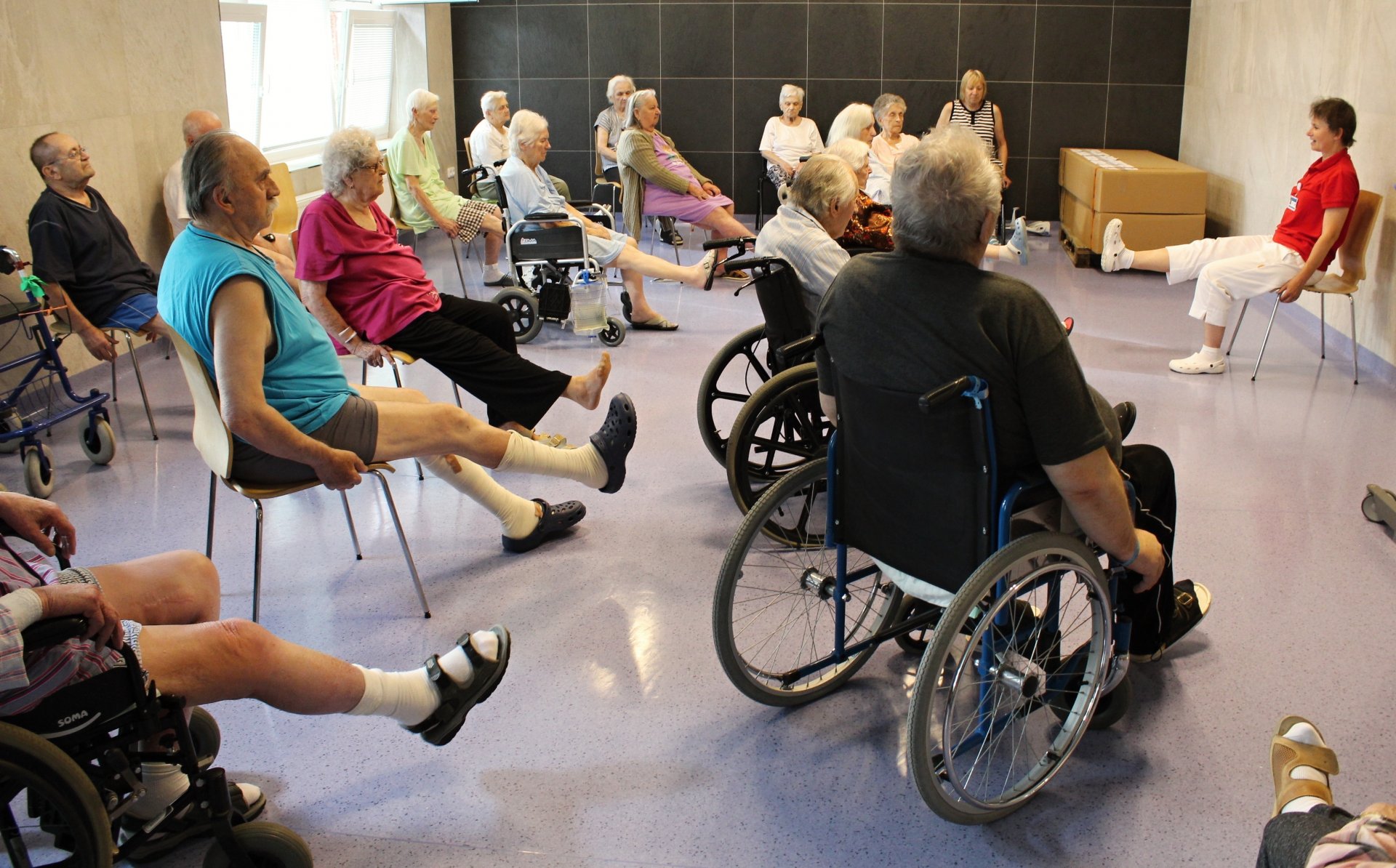
"We have expanded by one whole new floor with single and double air-conditioned rooms. We have added a gym for patients one floor down. We have new rehabilitation aids such as laser therapy. We got infusion pumps, linear dispensers, portable ultrasound. But it's not just a question of the last year. Our department has been developing for a long time," says Chief Stoilov.
In what condition did you take over the department?
Instead of the current aftercare ward, it was a long-term care hospital of the worst type. We have completely rebuilt the team of doctors and nurses. There's no one left from the original team. We sent people to study. The nurses are in college. All the doctors are in graduate school. The renovation of the premises has been major, but the biggest transformation has been in the people. That's the most valuable thing any hospital has.
What kind of patients do you care for?
We care for patients with internal medicine, surgical, neurological and other diagnoses. And especially those who, with intensive and serious diagnostic treatment, have a realistic hope of improving their health, mobilizing and returning to life. These are mostly elderly people, but we also have younger patients. Recently, a thirty-six-year-old woman with severe multiple organ involvement, who had spent over two months in hospital, left us. Now we are preparing a fifty-two-year-old patient for a liver transplant. Another relatively young patient will be cardiac stimulated next week so that he can undergo eye surgery that will largely restore his sight.
So you don't just provide aftercare after operations and injuries, but you also care for people before major operations?
In some cases, yes. All patients come to us as a result of some cause - illness, injury, etc. A patient going for cardiac pacing has collapsed. The one we're going to transplant had a liver disease for a long time, but didn't pay attention to it. We now have a man lying with us after a serious car accident with multiple injuries. He's been in artificial sleep for several weeks. Now he is breathing on his own and his condition is gradually improving. We've fixed his heart.
It must be very emotional when a person who was brought to you in a bad condition, after a few months, leaves on his own...
It is emotional. But sometimes we're so exhausted, we can't even be emotional anymore.
Hundreds of patients a year come through your department. How many exactly?
We admit and discharge over 400 patients a year.
How many of your patients go home?
Over 80 percent of the patients who come from nearby areas with a wider range of diagnoses leave. Then we have patients that we take from large hospitals all over the country. They're usually in critical, severe condition. They are then hospitalised for longer, their care is very intensive and we have a success rate of around 70 per cent.
None of your patients stay with you permanently...
No, we don't. We're not the end station. We provide aftercare, but we're not a social facility. We work with a number of social services where we place patients when they need to be. We provide home care as well. Temporary and long-term.
Which departments do you work with?
We work most closely with internal medicine. Without us, the acute wards would grind to a halt. We take hundreds of patients a year from them for treatment, for diagnosis. So here at the hospital, the acute partner is the internal medicine department. At the other end of the spectrum is rehabilitation, where we swap patients who need mobilisation as needed. The other departments are orthopaedics, radiology. We also cooperate with our sister hospital in Horovice. There we are closest to orthopaedics, surgery, urology, neurology, internal medicine.
Who makes up your team?
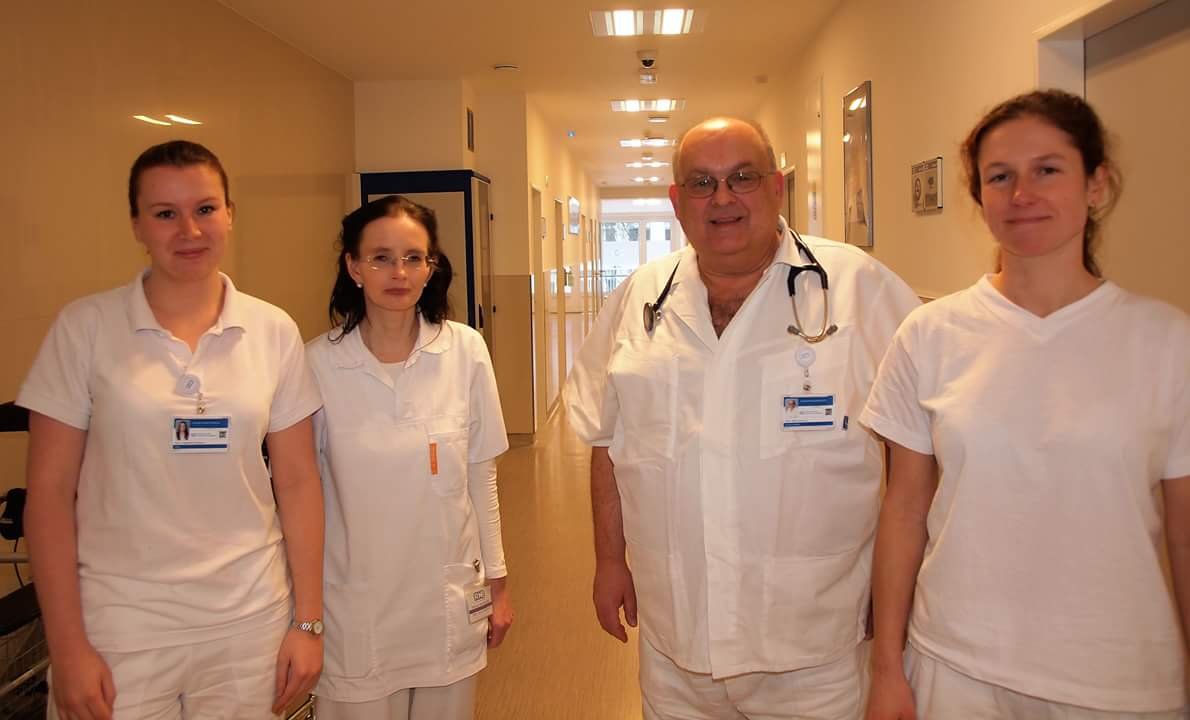
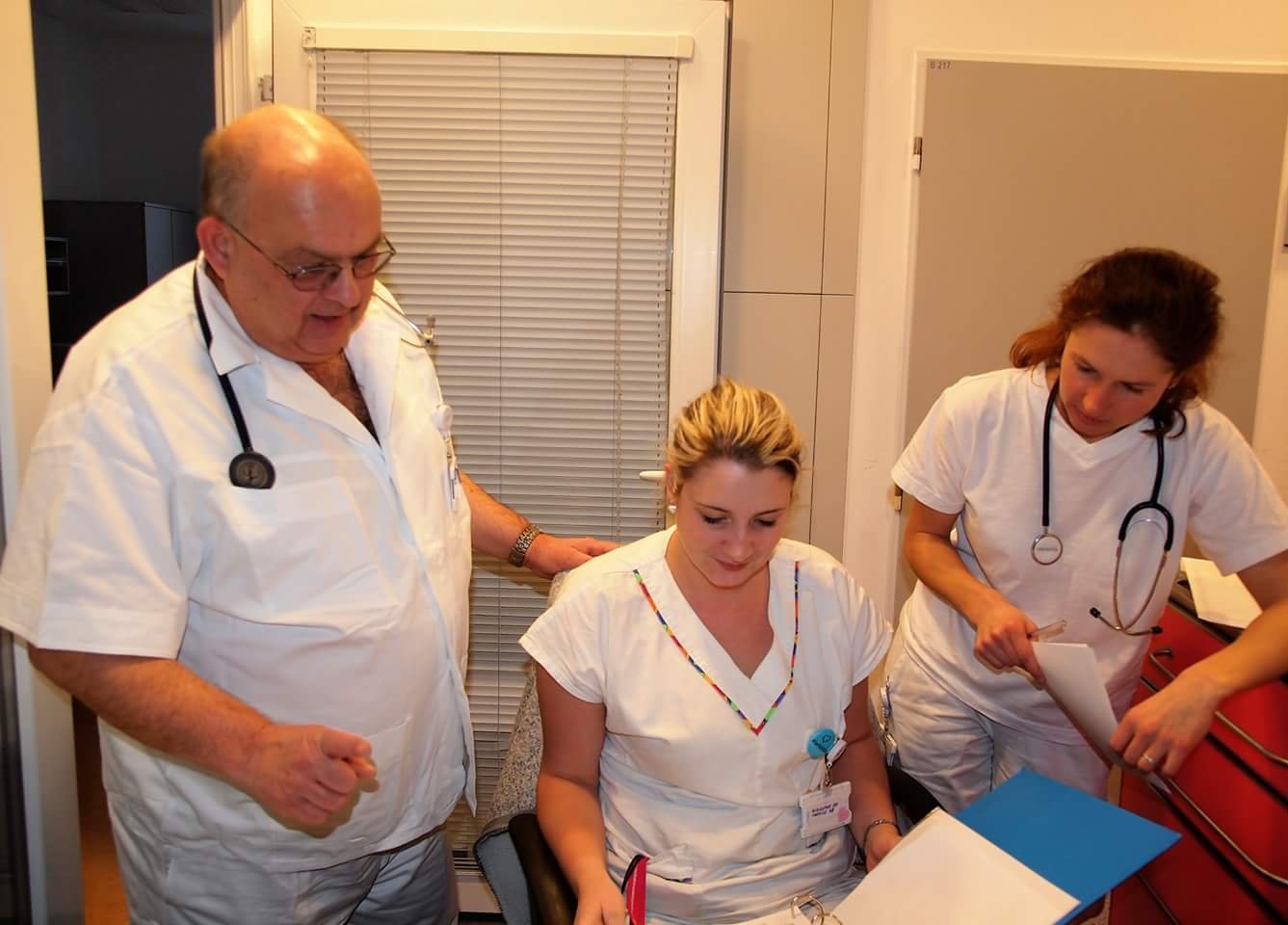
Apart from me, the internist, there are three full-time doctors and one part-time doctor who is training. Then we also have female doctors on weekend duty. My deputy has geriatrics as her specialty, and the others are getting ready for board certification. I would add three more doctors to the current team and it would be an ideal situation. Of course, it's also about nurses. They do a hard job that exhausts them physically and mentally. Very often they have to listen to the life stories of the elderly, nurse them when they are only partially mobile, help them with hygiene and feed them.
How do you keep yourself in good shape?
I go shooting.
Can you tell me what you shoot?
Everything. From pistols and revolvers to large-caliber rifles.
So you have a firearms license for almost every weapon you can legally own?
You can let that almost out. Other than that, we go fishing with our friends and our former clients, play pétanque, bowl and go swimming.
In a few weeks, 2019 will be over. What has made the past 365 days special for you and your department?
I don't think the year has been exceptional. You wouldn't expect that in medicine. It was typical with another increase in patients. Socially, it was special because our station nurse got married and the whole department enjoyed it (smiles). On the whole, the work with the families of our patients has deepened. We would like the families to take more and more care of the social needs of the aging family members. The fact is that we have an excellent social service that arranges various social boarding houses, home services, etc. It is provided by our two staff and is a free benefit for our patients.
So if an octogenarian grandmother who has had a stroke happens to need lunches delivered to her when she returns home, or a social worker to visit her, will you help her family with that?
That's the least of it. We've been letting family members know since day one. Plus, we'll arrange care allowances and long-term care. We'll also apply for nursing homes. Because we have an overview. Whereas a family that has been thrown into the mix, so to speak, is still finding out.
What's coming up in 2020?
We expect to expand surgery and psychiatry at the hospital. Our department is fully equipped, and what we need, we get. The owner is certainly not skimping on us. We also have a new echocardiograph that works every day, and waiting times have been reduced from several weeks to one. We're expecting a new colleague to join our department. And if I had to wish for one more change, it would be a reduction in administration. In the forty years I've been in the business, we've seen the biggest increase. It's of no use and drains the energy of doctors and nurses. There is an increase in patient-related paperwork, which may be forensically useful but medically serves no purpose.
Facts
MUDr. Miloš Stoilov is the head of the aftercare department of the Rehabilitation Hospital Beroun, which he has been leading since 2012. * He has been working in the Beroun hospital for eleven years. He started there as deputy head of the internal medicine department. * In the past, he worked in the internal wards of the Vinohrady University Hospital in Prague, the Thomayer Hospital in Krč and the hospital in Maláň, where he was the head of the department. * He graduated from the Faculty of General Medicine of Charles University in Prague. He is certified in gastroenterology and internal medicine. * In his spare time he shoots competitively, plays pétanque, bowls and swims.
Jaroslava Šašková, editor of MF DNES
Photo: David Neff, MAFRA