Česky
Česky


How did you come to be a radiology assistant?
After high school, I graduated from a two-year post-secondary post-secondary course in radiology laboratory technician in Olomouc and then started to pursue this profession. I had the opportunity to get to know the work of a radiology laboratory technician in practice at the prestigious Prague Na Homolce Hospital and after 12 years at the University Hospital in Motol, where I worked for almost 9 years. I met a number of great colleagues who introduced me to the profession of a radiology laboratory technician in the early days and I had the opportunity to look into the issues of all available modalities within our profession and to get acquainted in detail with the CT, AG and Magnetic Resonance (MR) sections. Currently I work at the Rehabilitation Hospital in Beroun.
Today, you hold the position of senior radiology assistant (RA) in the RNB. What brought you here?
I have worked in Prague for 20 years, and since I live in Beroun, I accepted the offer to work in the local department where I live. 7 years ago, I was helping out as a freelancer at the then start-up MR department here, so I didn't come to a foreign environment.
What responsibilities do you have as RA and what decisions do you make?
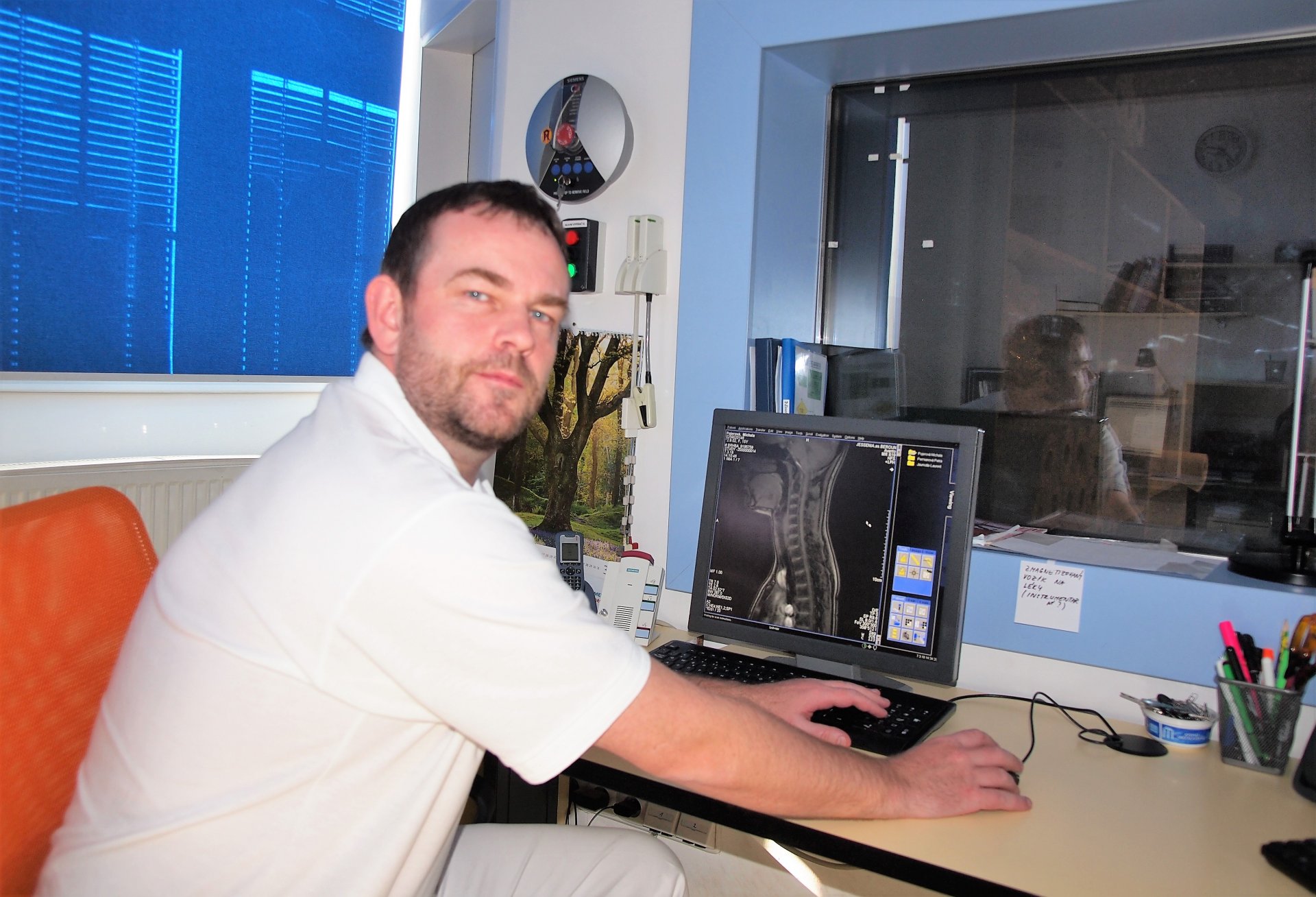
I am responsible for the running of our department. I am in charge of instrumentation (servicing, tests, tests ...), operational matters, personnel, material, etc.
Is there enough RA on the labour market? How do you evaluate the current system of training of these specialists?
The study of RA (formerly radiology laboratory technician) was changed from secondary school to university level in 2001 in order to unify the level of education of radiology assistants in the EU countries. There are 8 universities for RA in the Czech Republic (2 in Moravia and 6 in Bohemia). The form of study is bachelor, university full-time or combined, and RAs have the possibility to study in postgraduate specialisation studies (formerly attestation). They also have the possibility of E-learning education, they can attend accredited programmes, certified courses and many seminars throughout the Czech Republic. Various internships in other hospitals both in the Czech Republic and abroad can also be a valuable and interesting experience.
There are just over three thousand radiology assistants in the country and, in general, there is still a long-term shortage.
Is the RA profession attractive among young people?
A radiology assistant is a non-medical health professional. They can find employment in radiology (the largest representation of RA), radiotherapy or nuclear medicine. Unfortunately, there is a lack of continuity in our field of study in the master's degree, which may result in less interest among students in this field. There is also a lack of awareness and promotion of our field among the public. For years, the public only thought of us as medical personnel who take pictures of patients on x-rays. However, the profession of radiology assistant is much more interesting and diverse. In radiology today, an RA can work on a variety of modalities. In addition to classical X-ray imaging and various, not only perioperative, scans, the RA can participate in AG (angiographic) examinations of the vasculature and, last but not least, independently examine patients on CT and MR machines, which are now an integral part of almost every hospital.
How is RN Beroun doing in the field of imaging methods?
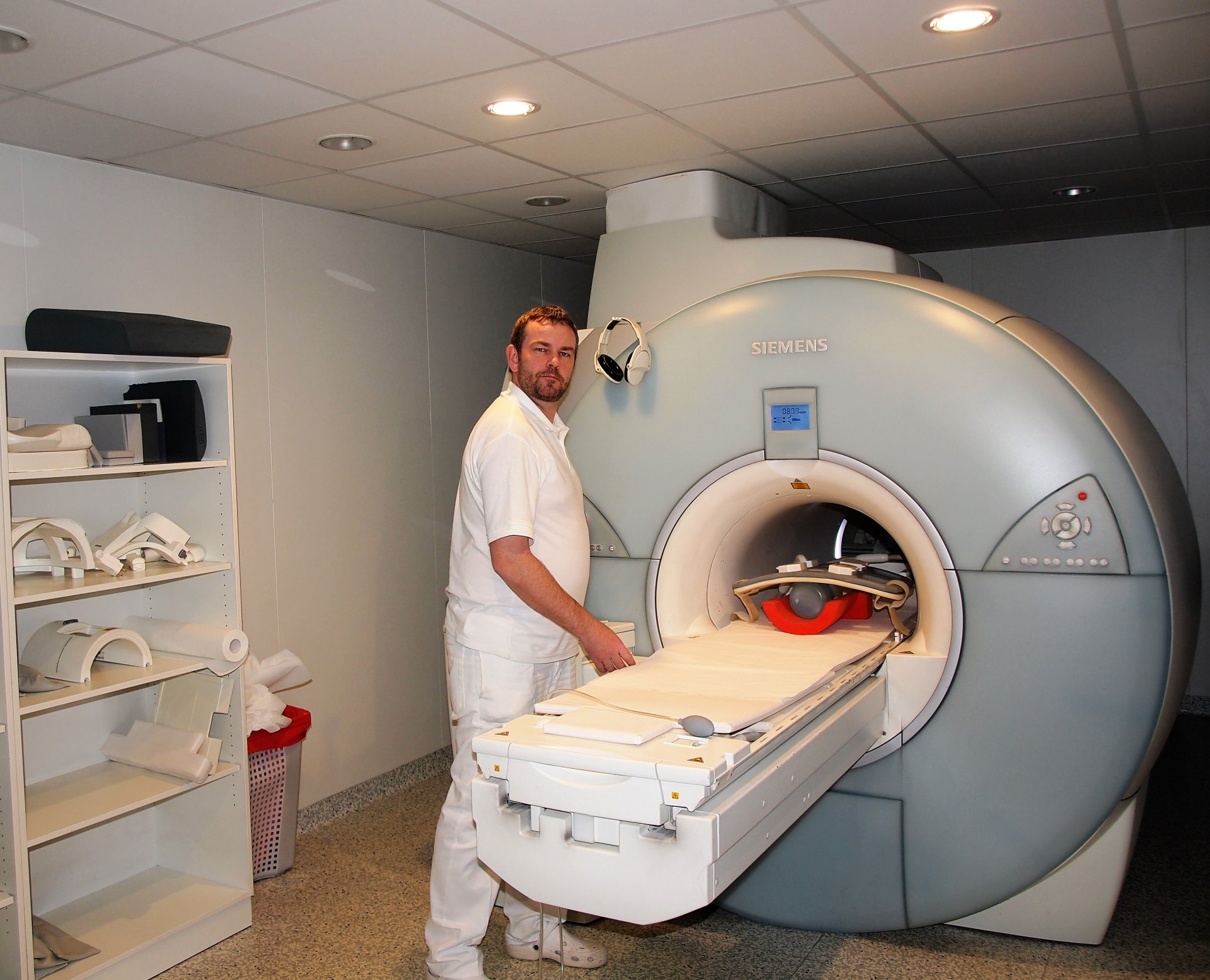
The spectrum of our professional activities includes scanography - classical X-ray imaging, skiascopy - dynamic examinations under the control of X-ray machines, ultrasound examinations by ultrasound (sonography) - general ultrasound examinations and Doppler examinations of the vascular system and magnetic resonance imaging (MRI) - routine examinations of all parts of the body.
Two full-time doctors, six radiological assistants and two administrative staff work in our department. We also have a number of doctors and 2 RAs working externally with us.
How many patients do you examine per year?
In the past year, 2017, we examined more than 27,500 patients. We saw 9,475 patients and performed 13,000 MRI scans. We imaged 13,333 patients on X-ray and examined approximately 4.5 thousand patients on ultrasound.
Patients come to us mostly from Central Bohemia, but for example, patients from different parts of the country come to us for MRI examinations. It is still true that we have one of the shortest appointments for MRI in the Czech Republic ( 2-3 weeks).
Are you expecting any new things this year?
Yes, we have and will have several innovations this year not only for patients but also for employees. Patients of the insurance company of the Ministry of Interior (211) will certainly welcome the fact that from the new year we have a contract with their insurance company for MRI examinations. Therefore, patients of the 211 insurance company can also make an appointment for an MRI scan.
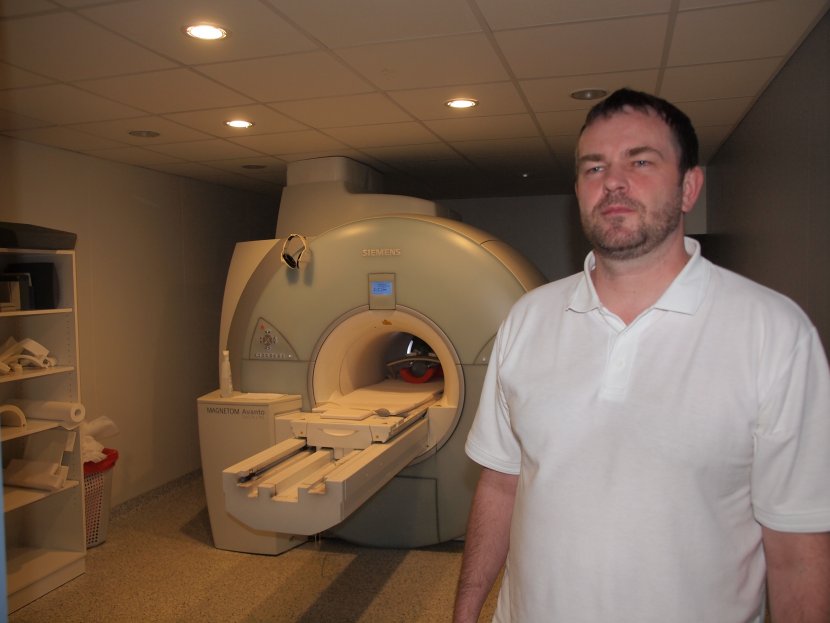
This year we are going to expand the department with an extension in the premises of the existing MR department in building C. Here, among other things, a second MR machine should be installed, which we are all looking forward to. The commissioning of the second MR machine should reduce the appointment times to 1-2 weeks again. Which should be pleasing news for all patients and referring physicians.
How do you assess the developments in RNB in recent years?
This is only my second year working here, but I have to say from the feedback from colleagues and mostly patients that a huge amount of work has been done over the last few years to build a respected and sought after hospital for patients with professionally qualified and helpful staff. Satisfied patients return to us with confidence and, according to their words, recommend us to others. Which I see as a picture of a well-functioning organisation and for us healthcare professionals it is always a sign of a job well done.