Česky
Česky


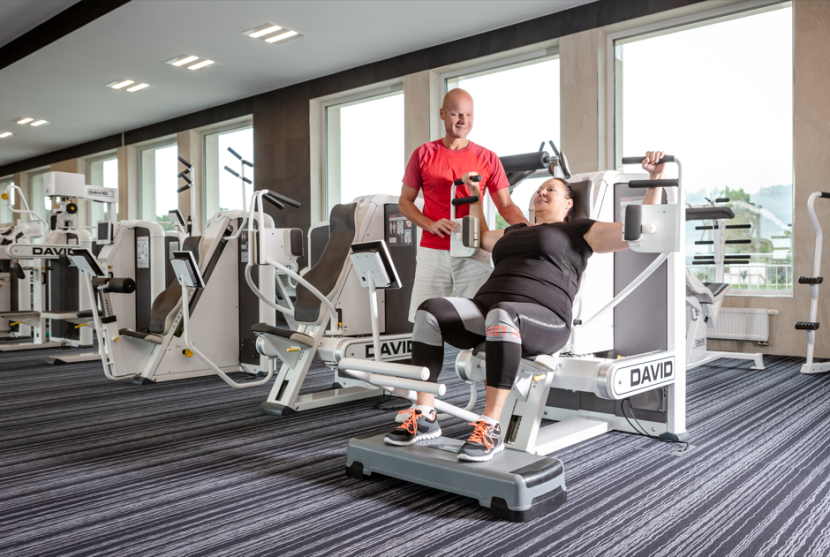
Care for these patients usually begins in the internal medicine outpatient clinic, where an internist/cardiologist performs the necessary examinations, establishes the diagnosis, medication and then refers the patient to a rehabilitation programme. "This brings the patient to our rehabilitation outpatient clinic, where we create an individual programme. This includes exercise in our gym, where the patient exercises on special equipment under the supervision of a physiotherapist and his heart rate and blood pressure are recorded. We then evaluate this data, correlate it with the results of ECH and cycle ergometry and decide on the next course of action. It is important that the patient comes to us exclusively to exercise during the programme so that we have accurate data on his/her health status," says Pavel Dvořák, MD, a rehabilitation physician at Beroun Hospital and a doctor in the cardiac rehabilitation programme. In addition to outpatients, the team of rehabilitation doctors on the wards - in cooperation with Prague clinics - also cares for patients after heart valve operations and aortocoronary bypass surgery. The presence of a pacemaker or defibrillator is not a barrier to completing the programme, as long as the patient is under the control of a doctor.
Results after just one series of exercises
The cardiac rehabilitation program itself lasts 2 to 3 months, with the patient attending exercise classes usually twice a week for 30 to 50 minutes. Afterwards, the doctor will evaluate whether the desired effect has been achieved during a follow-up examination. In most cases, the result is visible after just one series, the patient feels better overall, loses weight and, in combination with adherence to the nutritional plan, the patient also achieves a lower percentage of body fat.
Movement is the best prevention
The program is suitable for all those who wish to live a healthy life under the supervision of experts. "We all need movement at any age, at any diagnosis. In terms of prevention, just a simple walk in the woods or a bike ride is certainly healthy; we don't necessarily need to torture ourselves with drastic exercise and weight training. If one invests in one's health, one stays in good shape longer and is generally happier. This is also what we want to achieve in our cardiac rehabilitation programme," explains Pavel Dvořák.
Physical medicine as a plan for the future
In the future, the doctors at the rehabilitation centre of the hospital in Beroun would also like to focus on physical medicine. "We are currently completing an internship where we are familiarising ourselves with the methods of stress testing and the application of these methods in practice. As part of this programme, we will be able to carry out ergometric or spiroergometric examinations and target our care even more effectively," concludes Dr Dvořák.