Česky
Česky


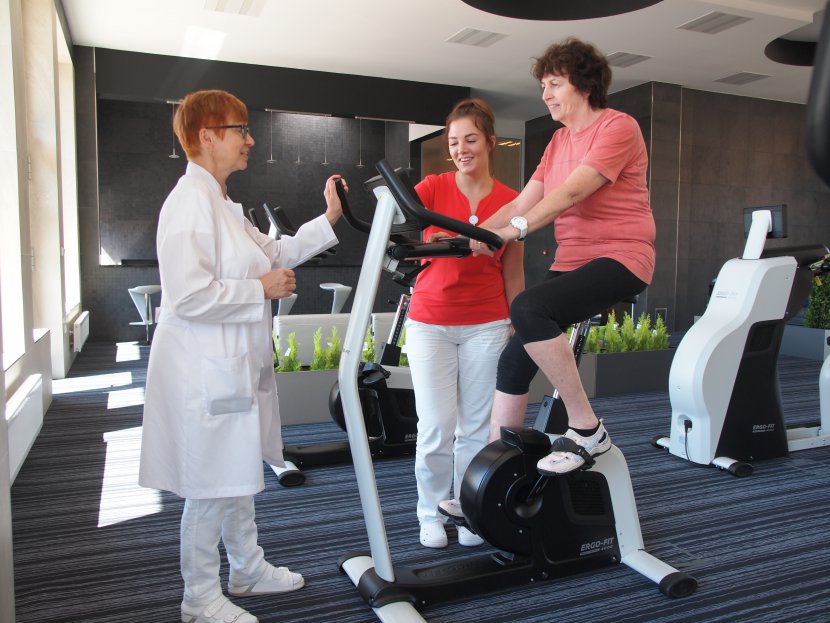
Doctor, why did you decide to focus on patients with cardiovascular diseases in your Rehabilitation Centre? Is it related to the increase in these diseases?
Heart disease, or cardiovascular disease, is a very serious and widespread disease that affects even younger patients. Not only is the number of diseases being caught increasing, but treatment and prevention have also improved. The number of cardiac surgeries that allow patients to continue to live full lives is also increasing. Well-performed surgery alone is not enough, creating a greater need for cardiac rehabilitation.
Rehabilitation in cardiac patients is somewhat neglected and yet very important. However, the work with the cardiac patient is primarily in the hands of the internist - cardiologist. In the Rehabilitation Hospital Beroun we have a well-functioning internal medicine department headed by the head of the department, Associate Professor Karel Sochor. He has been working in cardiology for many years. In addition, our Rehabilitation Centre has trained physiotherapists. The environment is not negligible for cardiac rehabilitation, in our case it is a large park that allows for exercise in nature.
How will the admission and rehabilitation of cardiac patients be carried out? E.g. how long will rehabilitation follow after heart surgery?
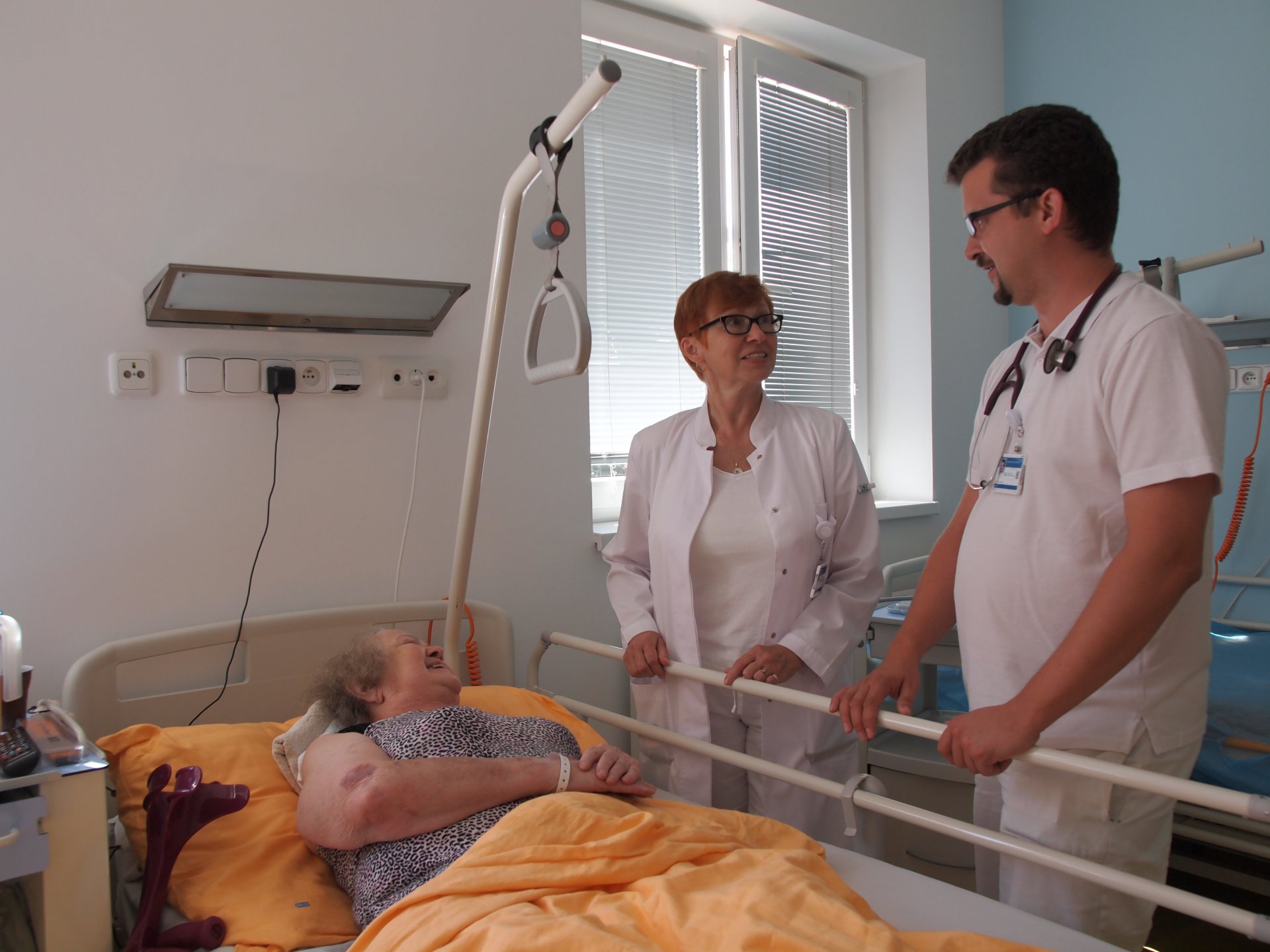
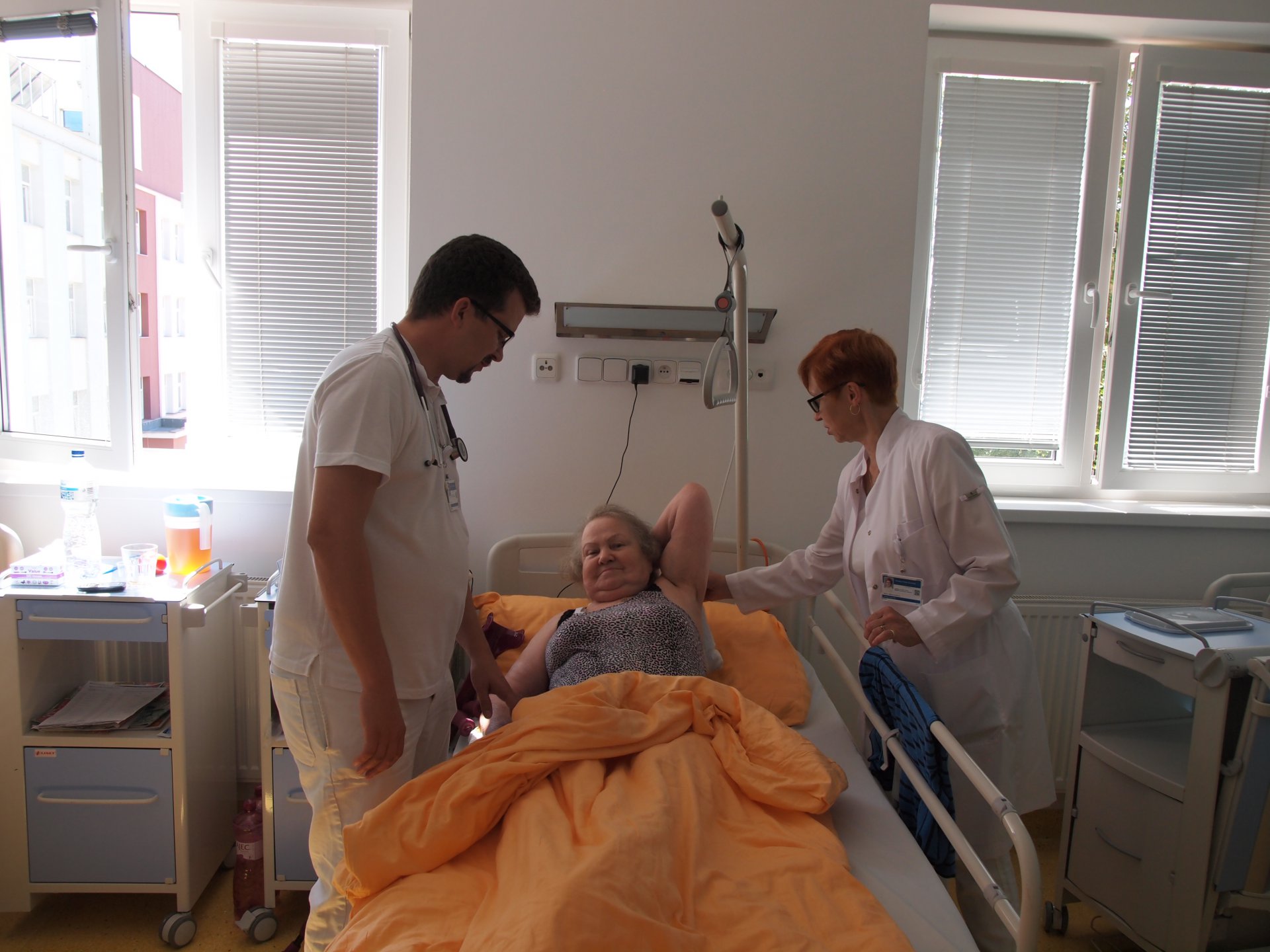
The internal ward will admit patients after surgery as agreed by the cardiologists, usually from the fifth to the tenth day after surgery. Patients will therefore be in the hands of our internists initially, with physiotherapists attending to these patients from the outset. After about five days, patients will move to the Rehabilitation Centre.
How will the cooperation between the rehabilitation doctors and cardiologists or internists with cardiological expertise work in this respect?
Cooperation in the field of cardiac rehabilitation between the cardiologist internist and the rehabilitation physician is necessary from the beginning to the end of the patient's stay at the Rehabilitation Hospital Beroun. Fortunately, cooperation is already taking place for many patients, so we do not have to create fundamentally new models. However, with more cardiac patients, more specialised staff are needed. In our Rehabilitation Centre, the main guarantor of the cooperation with the internal department will be Jiří Staňa, MD. The rehabilitation physician will see patients already on admission to the internal department and will design a rehabilitation plan for each individual. On the other hand, the cardiologist will regularly visit patients in the Rehabilitation Centre.
Which cardiology clinics will you cooperate with?
The internal department of the Rehabilitation Centre Beroun has already cooperated with large hospitals, especially the Hospital na Homolce. The Rehabilitation Centre cooperates with practically all large clinics in Prague. Currently, the hospital is establishing cooperation with the cardiac surgery department of IKEM in Prague.
What will the exercises for cardiac patients include? Will they be individual or group exercises?
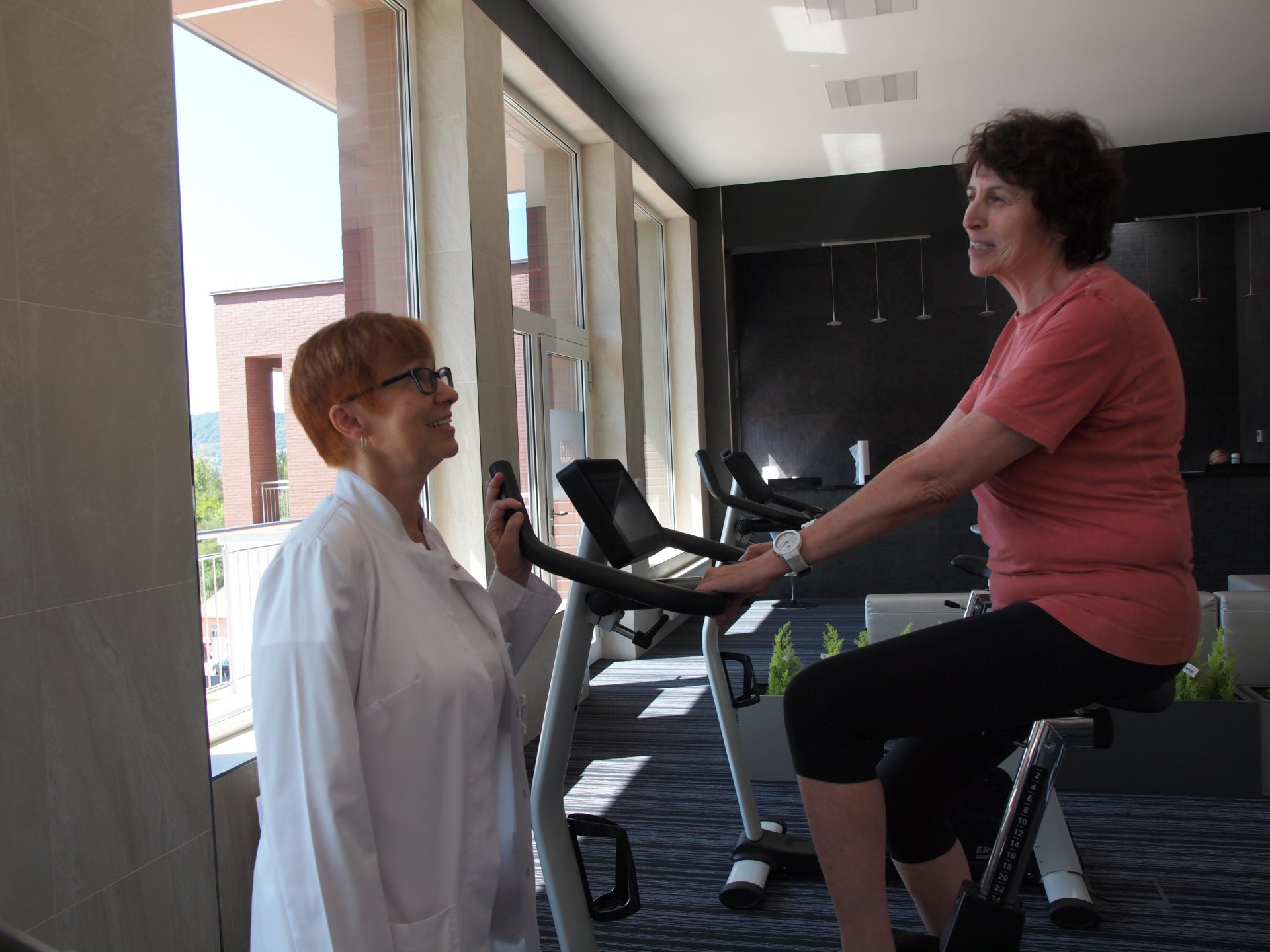
Exercises for cardiac patients depend mainly on the overall condition of the patient, the post-operative period and the type of surgery performed. The basis is your own fitness. Initially, physiotherapy focuses mainly on minimising post-operative complications, this includes early verticalisation of the patient, breathing rehabilitation and vascular gymnastics. At the same time, gentle soft techniques for relaxation and scar work are performed. Gradually, as permitted and recommended by the internal medicine physician, conditioning exercises are performed according to the permitted load. After cardiac surgery, we exercise with dynamic loads - this is mainly walking and riding on the exercise bike, static loads are included later.
We respect exercise restrictions. Due to the healing of the chest, the patient must not raise his arms above his head during exercise. Initially, the exercises are individual, and later, depending on the state of health, group exercises. The patient should go home with a recommendation for further exercise regimen, diet recommendation and regular check-ups.
When did you start seeing cardiology patients?
Our Rehabilitation Centre has already rehabilitated patients after cardiac surgeries, it is not something fundamentally new for us. Of course, physiotherapists and doctors continue to educate themselves. We have regular seminars in different areas of rehabilitation and cardiac rehabilitation is part of that. We have visited workplaces that deal with cardiac rehabilitation, including the workplace at the IKEM. As far as the facilities of the Rehabilitation Centre are concerned, we currently have a fully equipped gym with a cardio room. The internal department is equipped with telemetry. The plan is to admit patients regularly after cardiac operations from about September.