Česky
Česky


Mr. Associate Professor, approximately how many patients do you examine in our hospital per year? And how much has the waiting time for this examination changed?
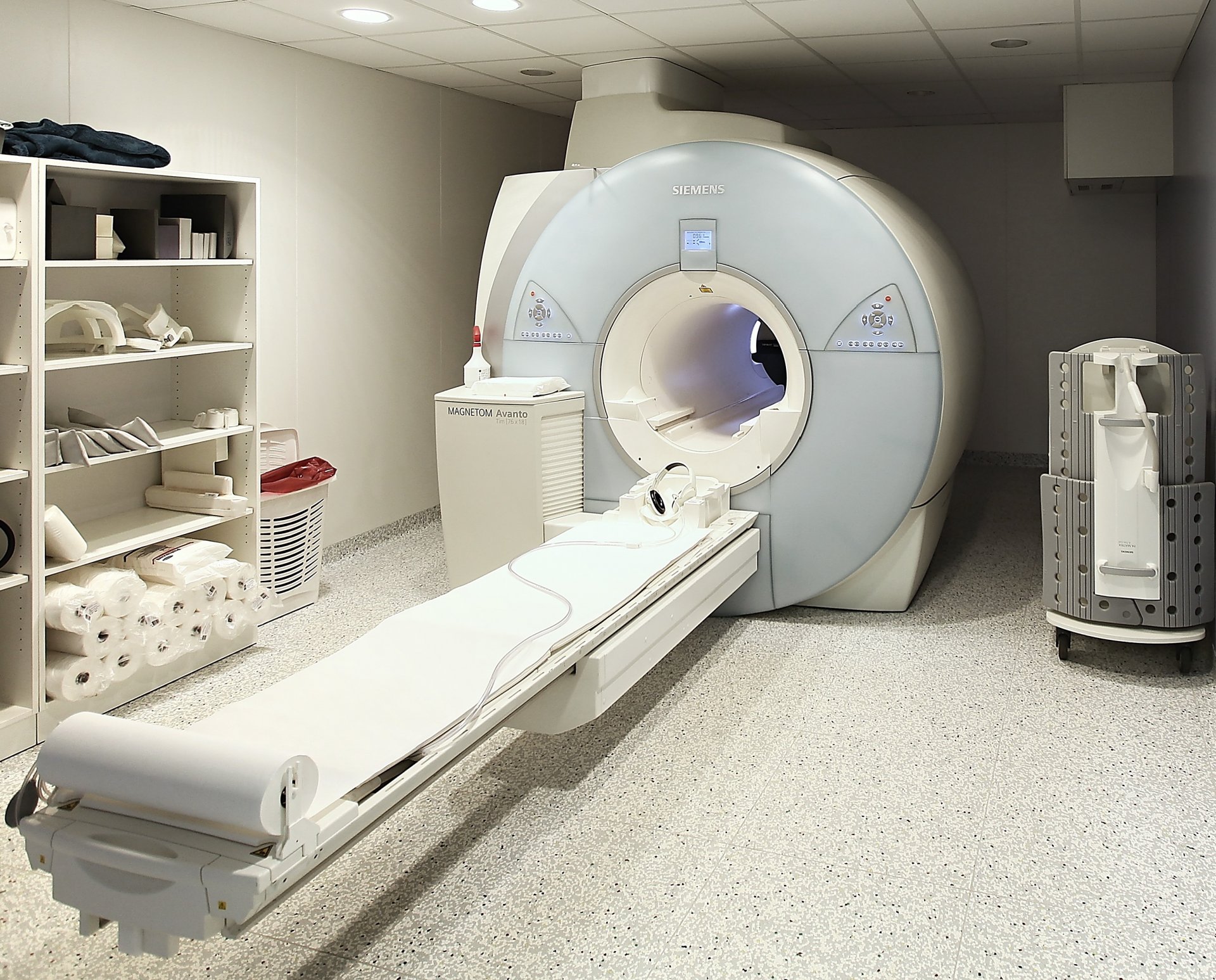
Last year, 15,500 patients underwent the Beroun magnet examination, which was an increase of 66% compared to the previous year. Appointments for MRI examinations now take around 10 days. This waiting time is already very favourable for patients.
Do patients preparing for an MRI scan have anything to worry about? Is there any preparation needed and how long does such an examination take?
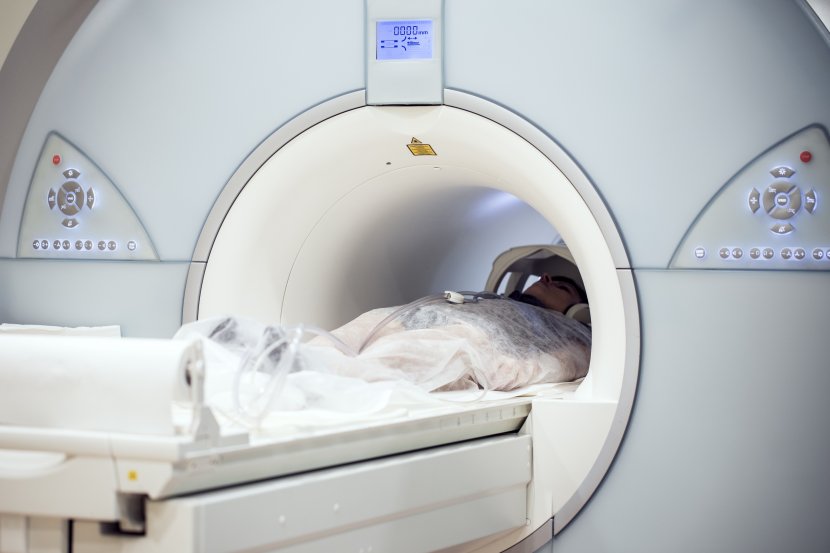
The MRI examination is painless, the disadvantage is the noise and the enclosed space of the tunnel into which we put the patient. We muffle the noise with "deafeners", which are similar to headphones for listening to music. The confined space is a problem in claustrophobic patients, where the fear of confined spaces can be medically influenced, in the extreme by general anaesthesia. This is only carried out by some centres as it requires special equipment operating under strong magnetic field conditions. Absolute contraindications for MR examinations are pacemakers and cochlear implants, which can endanger the patient's life by their presence during the MR examination. Relative contraindications are all metals in the patient's body. They must be present in the patient's body for more than 6 weeks, when any heating no longer interferes with tissue healing. For the examination of the liver, intestines and organs of the abdominal cavity, the patient must be fasting. Other examinations require no preparation. In some cases, it is necessary to administer a contrast agent intravenously during the examination. This is a different contrast from the iodine contrast used in CT. It is characterised by a significantly lower risk of allergic reaction. We just need to know the kidney function of the patient, when it fails, the excretion of contrast from the body is prolonged, which can be harmful to the patient in certain circumstances. The MRI scan is strictly targeted and takes anywhere from 30 minutes to an hour depending on the specific problem.
Is MRI the most advanced imaging method? What developments are expected in the next few years in imaging methods?
MRI is the most advanced structural imaging method, complementary to other methods such as CT and conventional X-ray. Unfortunately, our hospital does not have CT, so we cooperate with our sister hospital in Hořovice, for which we also perform most MR examinations. However, the most sophisticated are hybrid devices, where both structure and function are displayed in the same sections (PET-CT, PET-MR). These methods are used, for example, to search for secondary tumour deposits - metastases. In the field of MRI, the development is far from complete, the examination time is gradually shortening, new imaging modalities are being developed and are becoming more specific for individual diagnoses.