Česky
Česky


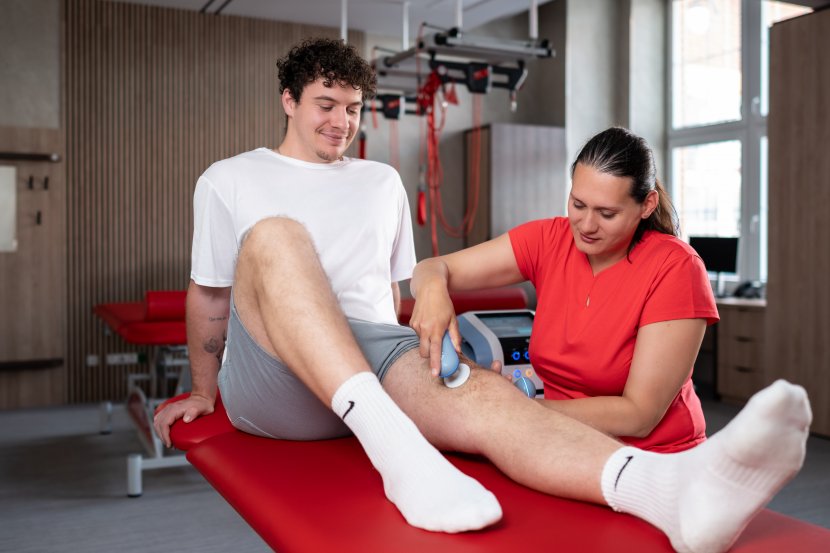
According to Jakub Jeníček, MSc, PhD, a physiotherapist and methodologist atthe Rehabilitation Hospital Beroun, the main benefit of the method lies in the combination of physical therapy with the therapist’s active involvement.
“TR-Therapy utilises the dynamic application of high-frequency current, which induces warming and increased blood flow in the tissue, thereby effectively complementing the physiotherapist’s manual, mobilisation or movement-based approach,” he explains.
Technology for deeper tissue layers
Unlike some conventional physical therapy procedures, TR-Therapy is able to act not only on superficial structures but also on deeper layers of muscle and soft tissue. As a result, it can be more effective in addressing various movement-related difficulties.
“A unique advantage is the ability to influence muscles and soft tissues even in the deeper layers of the body, and to combine this physical modality directly with manual techniques or movement,” says Jakub Jeníček.
Immediate relief and faster recovery
During treatment, patients feel a pleasant warmth in the treated area, which is usually associated with tissue relaxation and pain relief. Furthermore, the effect does not end when the patient leaves the clinic; rather, it gradually increases with repeated sessions.
TR-Therapy is primarily used for muscle strain, increased tension, musculoskeletal pain or swelling.
“Warming and improving blood flow to the muscles helps to reduce muscle tension and promote pain-free movement. In cases of swelling, increased local circulation can help drain stagnant fluid from the tissue,” explains the physiotherapist.
Support following injuries and for athletes
The method is also used during convalescence following injuries and in the later stages of rehabilitation after muscle and joint injuries. It is also popular amongst both recreational and elite athletes, helping them to manage muscle fatigue and speed up recovery after intense exertion.
It also yields good results for patients with chronic or acute tendon problems .
“In cases of tendinopathy, TR-Therapy can help alleviate pain and improve exercise tolerance, particularly when combined with progressive load training of the tendon,” adds Jakub Jeníček.
It can also help people with osteoarthritis and other joint problems, which are often linked to the condition of the surrounding muscles and soft tissues.
When the therapy is not recommended
Although TR-Therapy is considered a safe method, there are situations in which it cannot be used.
“The main contraindications include implanted electronic devices, metal materials in the treatment area, and active infectious, vascular or neoplastic diseases. Caution is also required during pregnancy and in cases of sensory disorders,” warns Jakub Jeníček.
Before starting therapy, every patient should therefore undergo a specialist consultation to help determine whether this method is suitable for them.
For further information, please call: 311 745 000