Česky
Česky


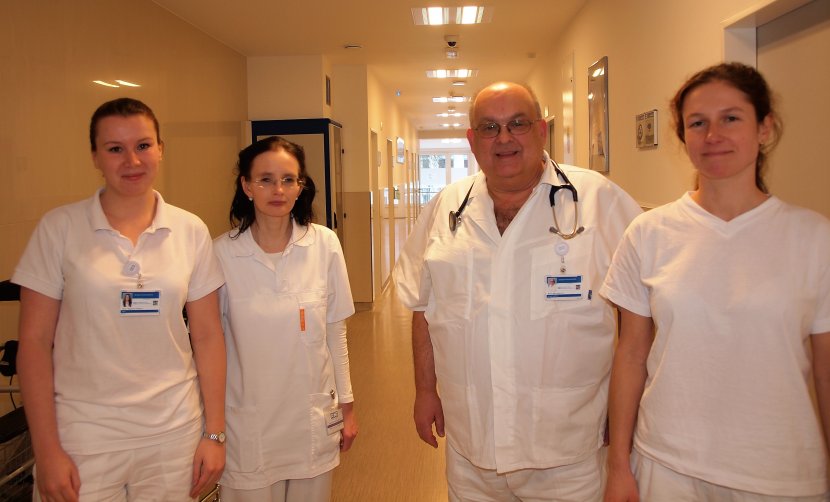
Chief, could you introduce your department?
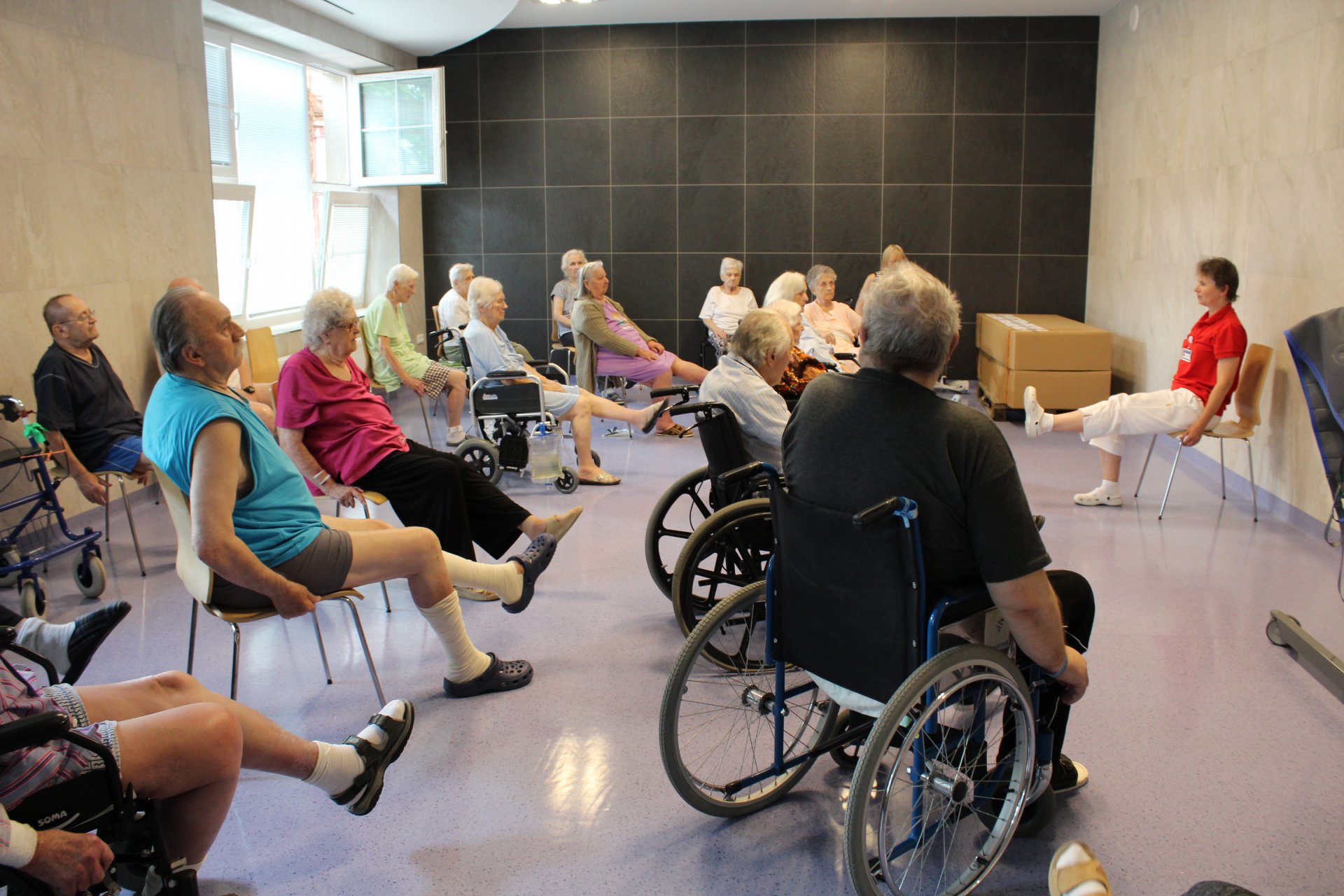
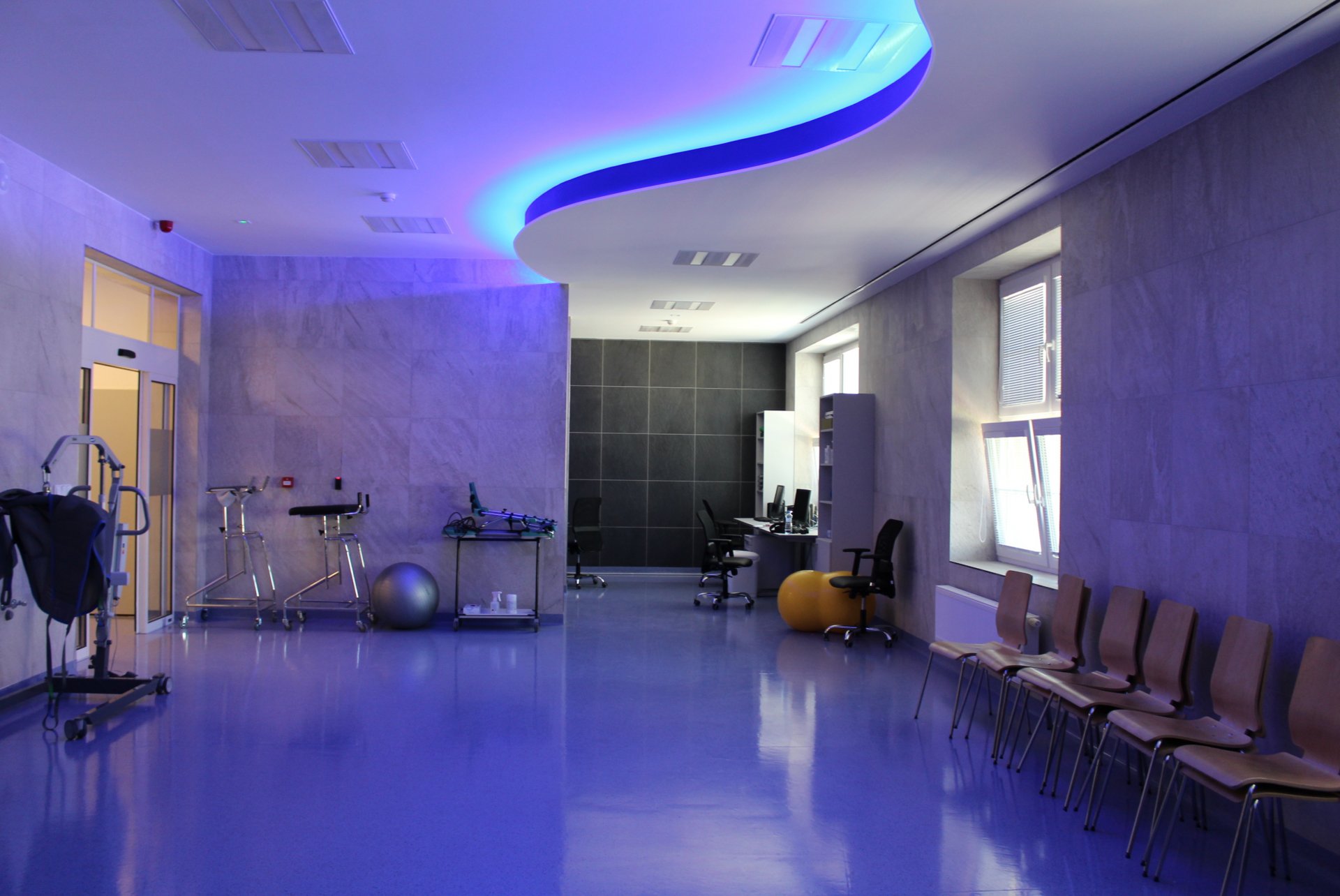
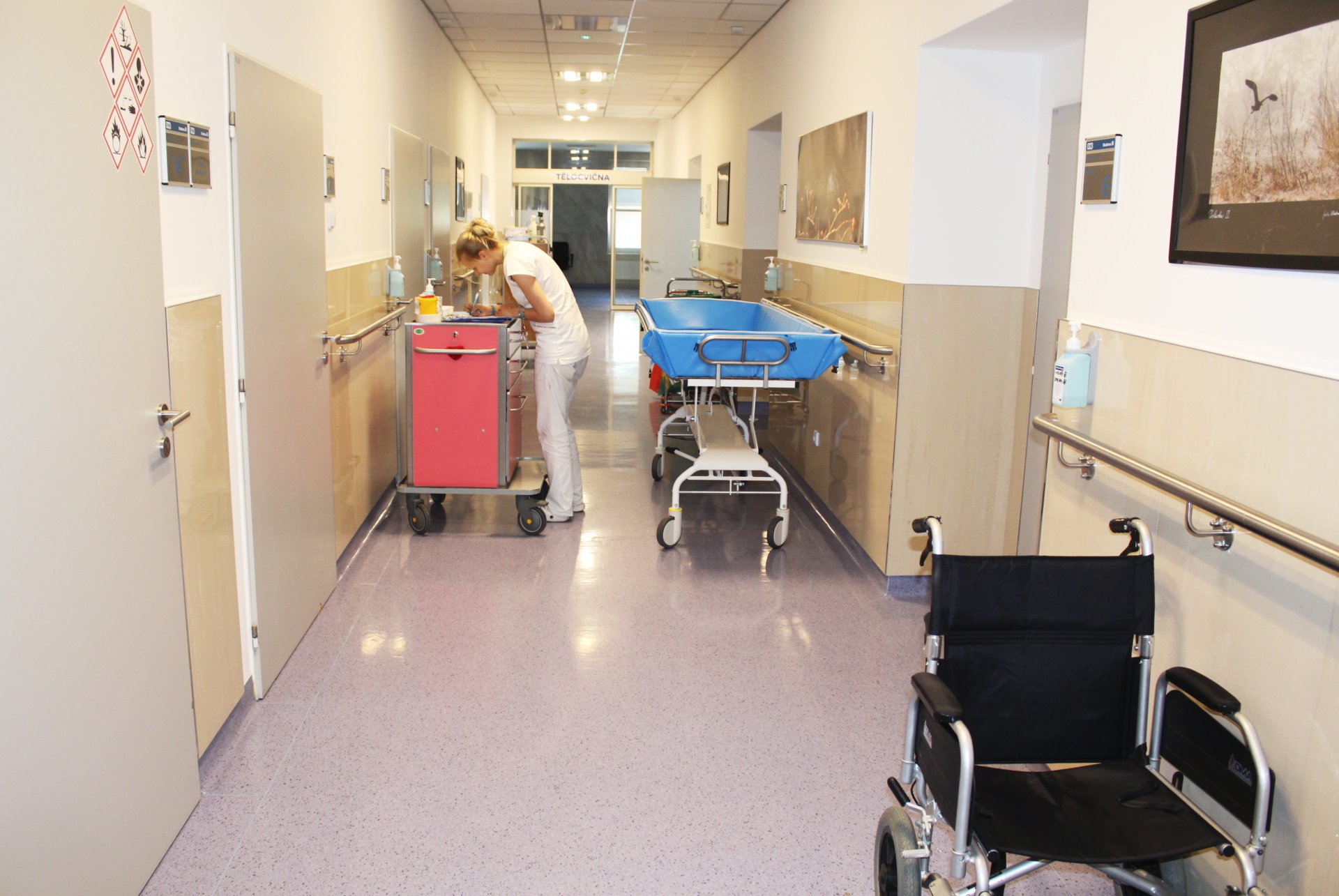
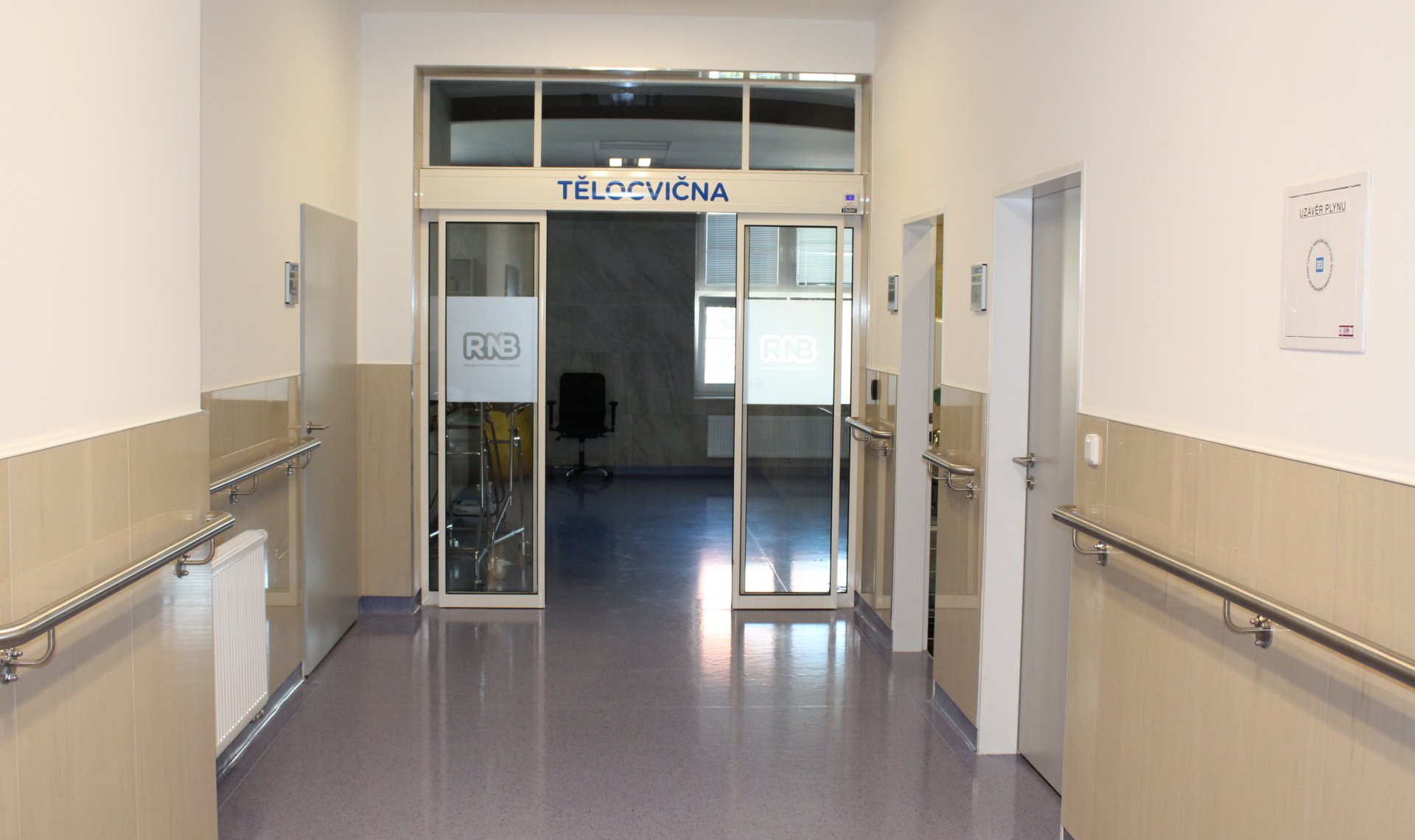
The Department of Aftercare (ONP) is located in building "B" directly opposite the entrance to the hospital. The department has a total of 59 beds, provides extensive diagnostic and therapeutic activities, mainly in the field of internal medicine and is equipped for the convalescence of patients. It makes routine use of psychological, speech therapy and neurological services. The hospital also has a prosthetist and an on-site urology outpatient clinic, particularly important for older men. We are about to open a gynaecological outpatient clinic on the ground floor. We have an oncologist, a psychiatrist and other specialists. The catering service is located directly in the building and, in addition to a very high quality dietary diet, offers the possibility of individual superior meals. Within our nutrition team we have qualified dietitian nurses capable of specialised nutritional procedures. We have a gym with rehabilitation facilities in the building. On the hospital campus, we have a pharmacy, X-ray and MRI department, medical laboratories, surgical and orthopaedic outpatient clinics and much more.
Our clients receive visitors, watch television, have access to the internet, can take advantage of outdoor walking or rehabilitation with regard to their health, and there is a pleasant terrace on both floors. We also try to provide them with cultural facilities.
The social services and counselling we provide are highly valued, with many clients organising everything from home care to placement in social service facilities.
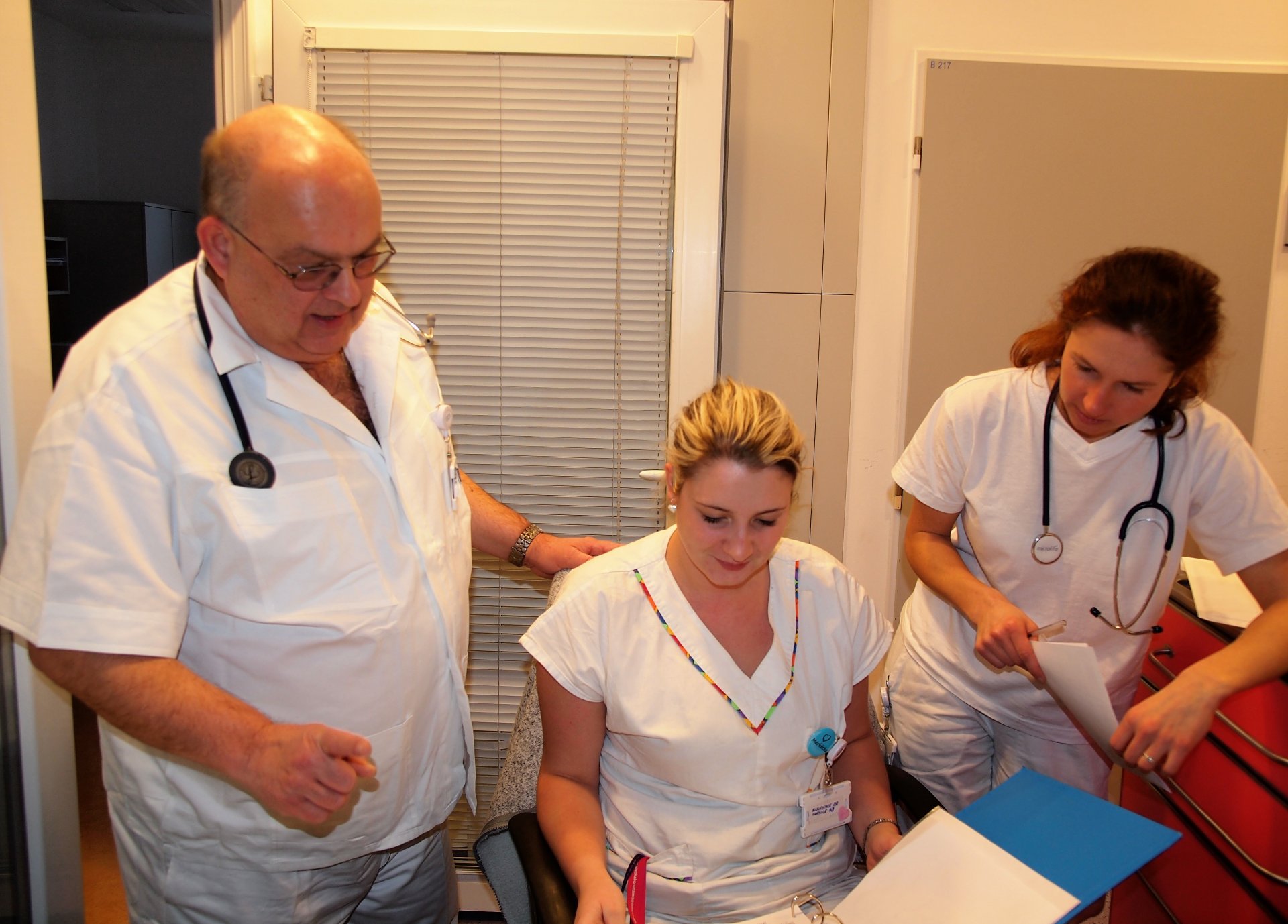
We have managed to create an excellent team of nurses and junior health workers. They generally work with high commitment and enthusiasm, continuously improving their qualifications, learning new methods and some are studying. Unfortunately, they are burdened with a lot of overtime and we would like to welcome new faces.
The Rehabilitation Concierge, together with the rehabilitation staff, organise an individual rehabilitation programme for our patients, from warm-ups to full day care.
Our medical team is small, supplemented by young doctors from our hospital. We work rationally and purposefully and have very good treatment results. As in other professions, we need and invite other colleagues to collaborate.
So who are the clients of your department? Who seeks your services and how much interest is there in hospitalisation?
Our clients are primarily elderly, multiply ill people who need specific diagnostic and treatment procedures. For example, elderly people with heart failure, kidney failure, etc., or after surgery for lower extremity fractures, strokes, diabetics on insulin therapy, and many other illnesses, and of course those who "just need to finish healing, get back on their feet, and go home." Advanced atherosclerosis, anaemia, mobility disorders, digestive problems, obesity or metabolic and endocrinological diseases, as well as many other conditions or vascular disabilities, for example, are common. We are a very comprehensive workplace.
Most often we take patients from our internal medicine department and from individual departments of our partner hospital in Hořovice, especially surgery and neurology.
In the vast majority of cases, these are residents of Berounsko and Hořovice, but if we can help, then we do not avoid anyone, no matter where they are from.
Of course, our operation is not one-way. When changes in the health condition of our patients require it, we transfer them to the internal medicine department including the ICU, we have them operated on, we use concierge care, we perform CT scans, MRIs, endoscopies, Holters and more. Active cooperation with other departments is highly appreciated. It allows us to be "one step ahead" and we are now more of an "active, managed admission internal medicine" rather than an enterprise that resembles the LDN facilities as they were previously understood.
However, we also work with general practitioners and outpatient specialists from these regions, as well as specialist units in Prague and elsewhere.
How satisfied are the patients themselves with the care?
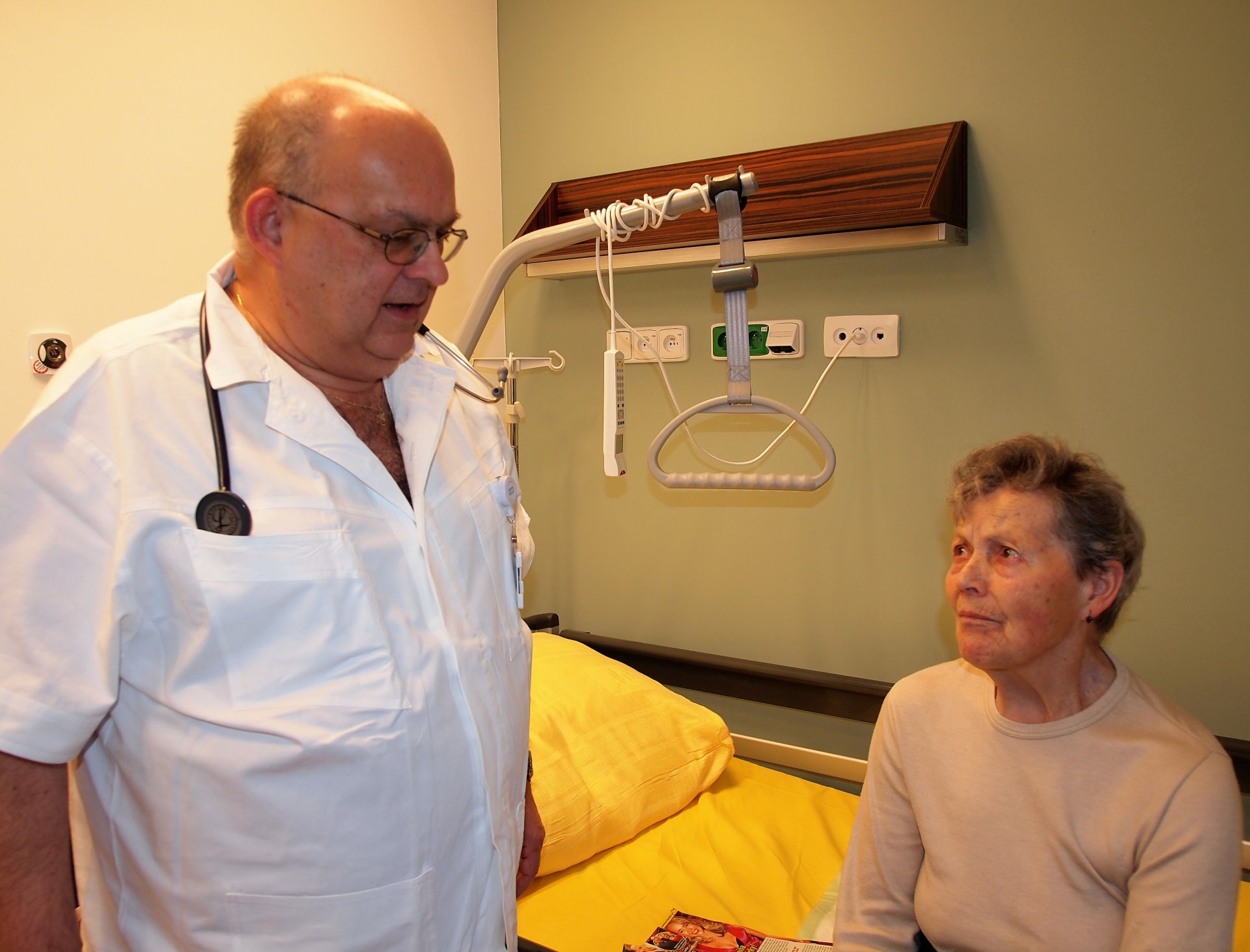
I think they are really satisfied. This is evidenced by the many personal messages, verbal expressions of gratitude from patients and their relatives, and the thanks that come to us in writing. We are always pleased. The fact that some clients use our services repeatedly and do not seek help elsewhere is proof of the prevailing satisfaction.
Staff certainly matter a lot in your work. How demanding is their work? What do you expect and demand from them?
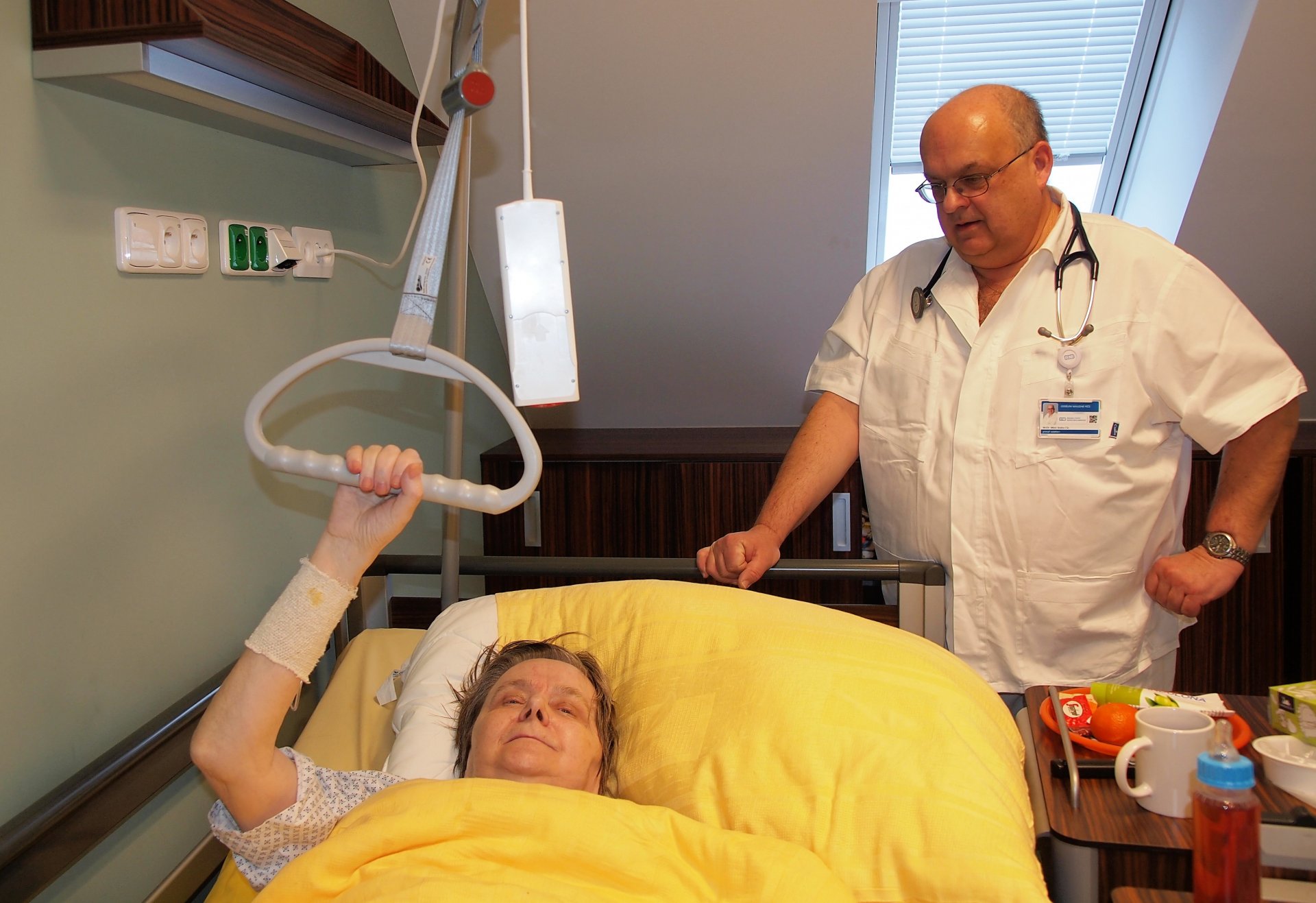
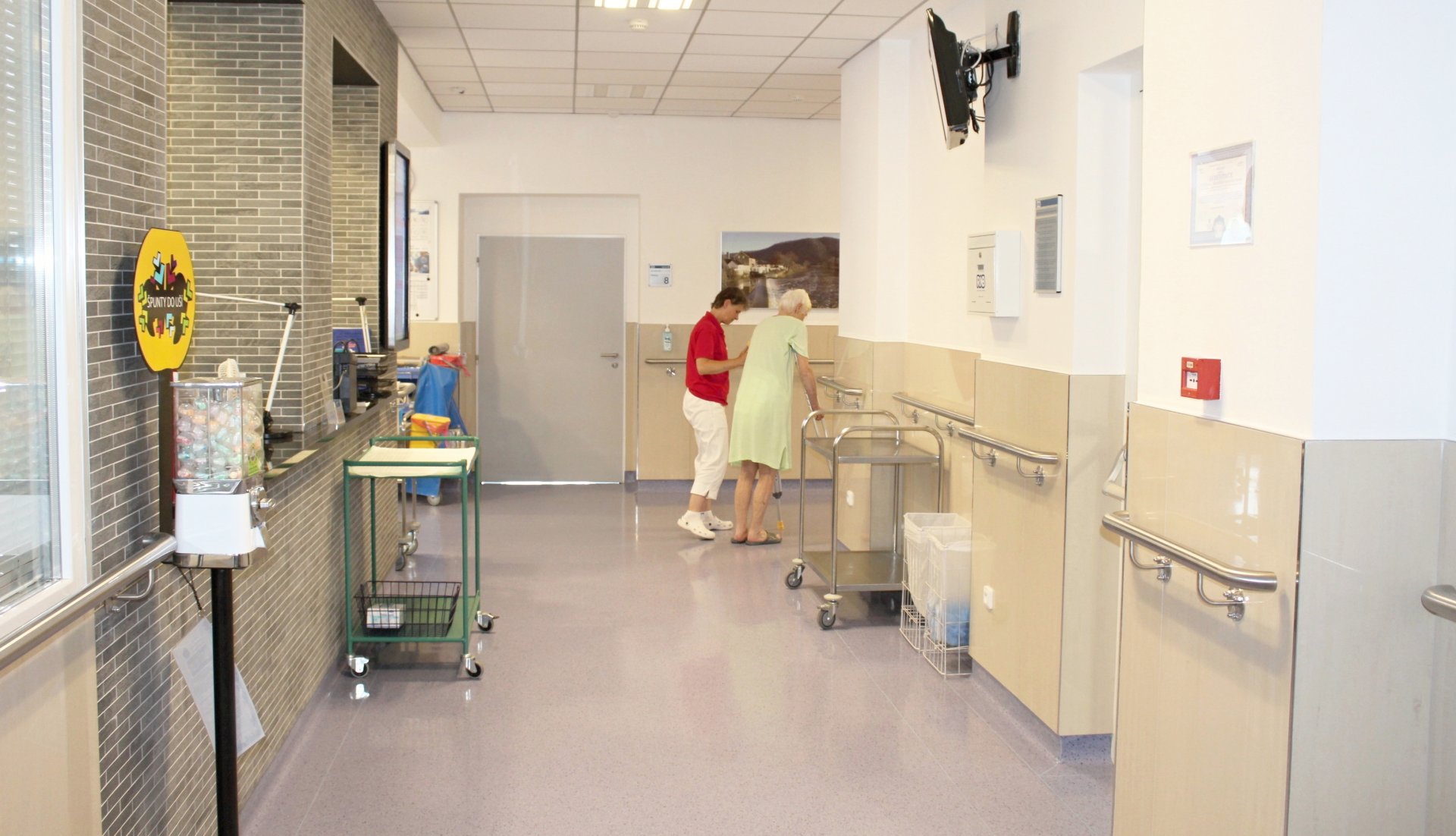
As you have seen, the work of our entire team is extremely difficult. Our employees are exposed to a high level of mental stress and physical exertion. They often have to listen to the life stories of elderly, sometimes life-balancing people, nurse them in conditions of limited mobility, build bridges to the environment, help them with hygiene, feed them and perform all the professional medical tasks as in other departments. To do this, they maintain a considerable degree of positive thinking and are kind to patients. The doctors repeatedly explain to families and patients what developments to expect, the nurses implement extensive medical care, we rehabilitate in several daily cycles and the lower staff does not stop for a moment. They carry out everything from transporting clients to helping with hygiene, meals and mobilisation.
In addition, we strive to continuously improve our skills and learn new methods. For example, we once made rapid advances in wound care or enteral nutrition.
The motto of our department is very positive: 'We are not the only ones. We are exceptional. We strive to be the best." I think we are succeeding and our clients are therefore satisfied. I am very proud of our team.
Mr. Chief, you're known primarily as an internist and this is your thirty-seventh year working in hospitals. What has changed in your field in that time and how does it relate to health care for the elderly?
Internal medicine is the queen of medicine. When I started as a young physician, it was the unifying discipline, summarising the largest body of knowledge and integrating its sub-specialties, whose knowledge and methods it skillfully utilised. Today, development has progressed to its relative disintegration, which is good on the one hand, because we are using increasingly sophisticated methods, but on the other hand it is a mistake, because the skill of a comprehensive view of the sick is disappearing. Also, the interest of the young medical generation in internal medicine is not sufficient. Internal medicine is difficult to learn, working in this field is simply hard work and some other medical professions seem to bring more financial benefits.
As for the elderly, it is good that the field of geriatrics has developed and strengthened to take their health needs into account. The number of elderly people is increasing, life expectancy is increasing, but the biological quality of life in old age is lagging behind, not improving overall and often even deteriorating to the point of significant helplessness. We often count how many diabetics, cardiac patients, people on artificial kidneys, amputees or cancer patients we have in the state. In essence, however, this is largely a group of elderly polymorbid people who often benefit more from complex, sometimes palliative care than from the individual acts of today's often over-technicalised medicine, which is more often beneficial at a younger age.
I don't want my words to sound sceptical. I am a supporter of modern medicine, but for the elderly and multiply ill, individual procedures and methods need to be carefully thought through and applied in ways that will actually help. In our department, of course, we refer patients for many complex procedures, from artificial kidney treatment, to the provision of a pacemaker, endoscopic procedures, to the fitting of hearing aids or the manufacture of prostheses. Of course, we are always careful not to perform unnecessary procedures, but rather those that bring specific benefits to the individual, and to ensure that the patient is well informed about everything and can express his or her wishes. We understand the patient not only as an object of our work, but above all as a partner and friend with rights to information and the opportunity to express their wishes and needs. Medicine must also keep its humane face.
To what do you attribute the huge interest in the services of aftercare units, nursing homes and similar facilities? Does it say anything about the state of Czech society?
As far as the interest in our department is concerned, I think it is understandable, because we have a good reputation and we work with excellence. The interest in social services is understandable and objectively there is a significant excess of demand over supply.
The image of our society is that it is not sufficiently prepared for the increase in human age, ageing and related phenomena. In my opinion, intergenerational solidarity is disappearing, people are living unhealthily and in old age are suffering the unfortunate consequences of such actions. Many are not even financially secure in old age. On the other hand, it is true that we also see a positive and kind attitude of families towards their seniors, but it is not the dominant phenomenon. Of course, the employment structure and family income also play a role in this.
There is also a significant question mark hanging over public perceptions of the possibilities of medical science. It can do much, but it is still true that 'there is no cure for age'. The role of symptomatic and palliative care, which brings great relief to patients, remains underestimated and sometimes misunderstood.
Dying is a separate issue. The vast majority of our clients, an estimated 80%, wish to die among their own. However, only a minimal number of them manage to do so. Families today are not prepared for this and so dying and death has become an institutional issue.