Česky


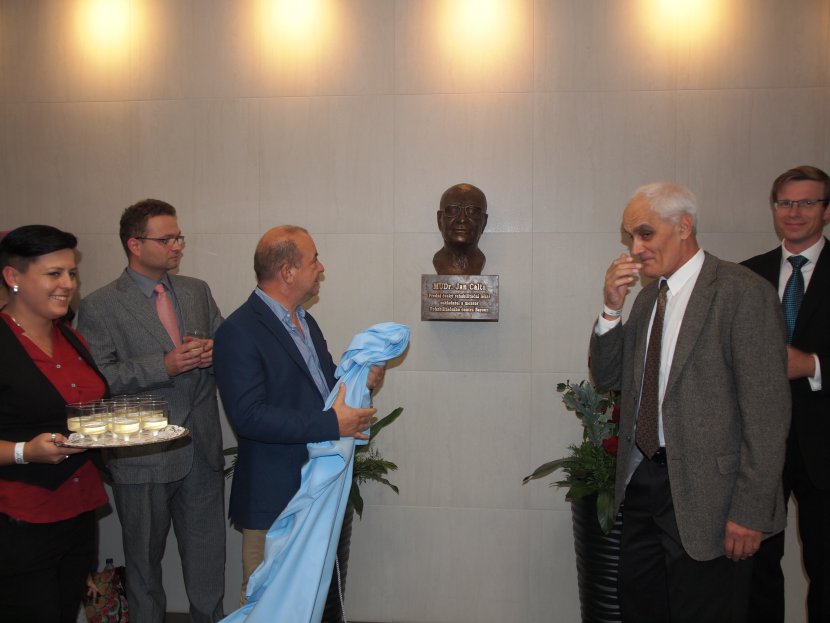
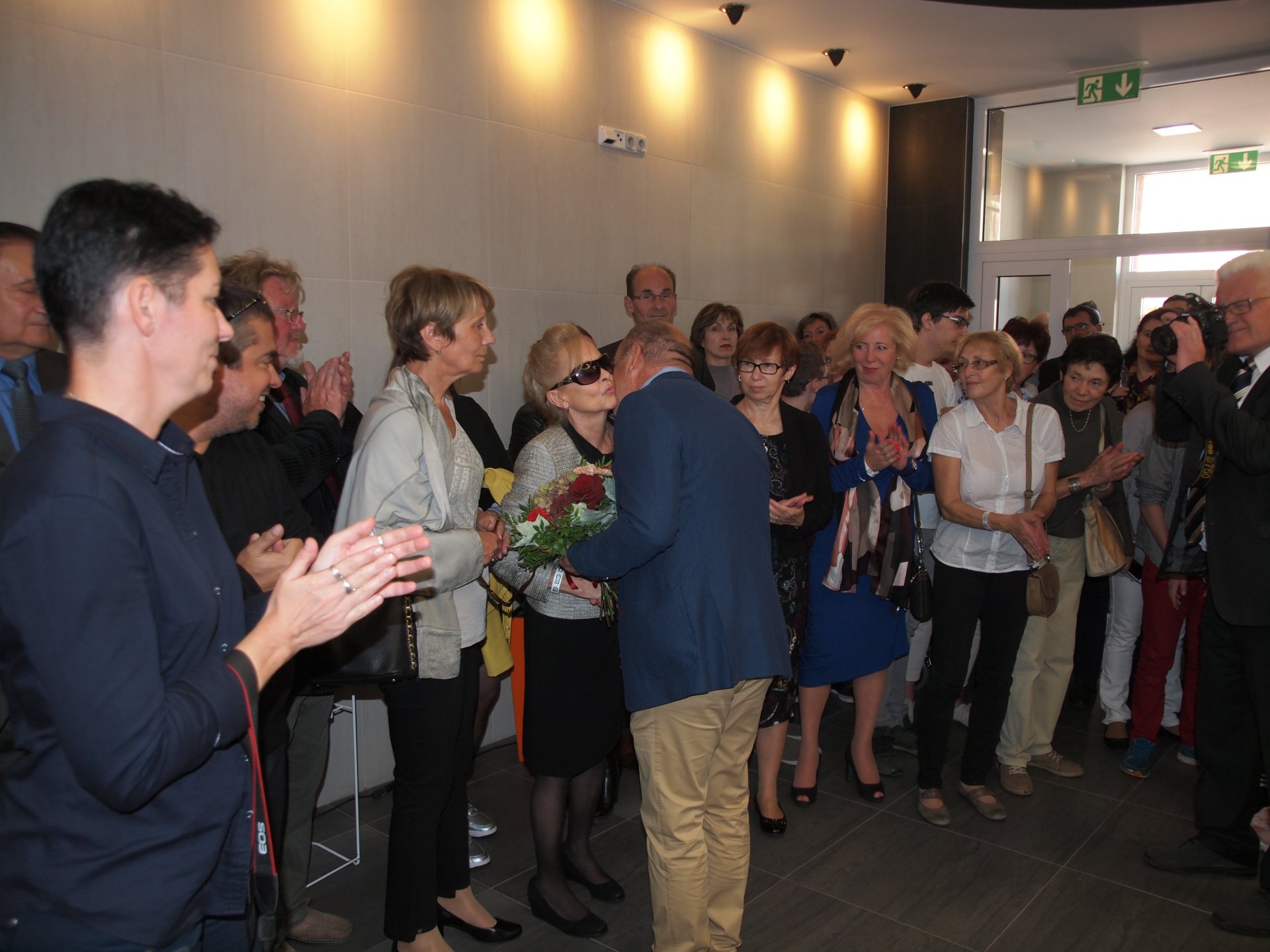
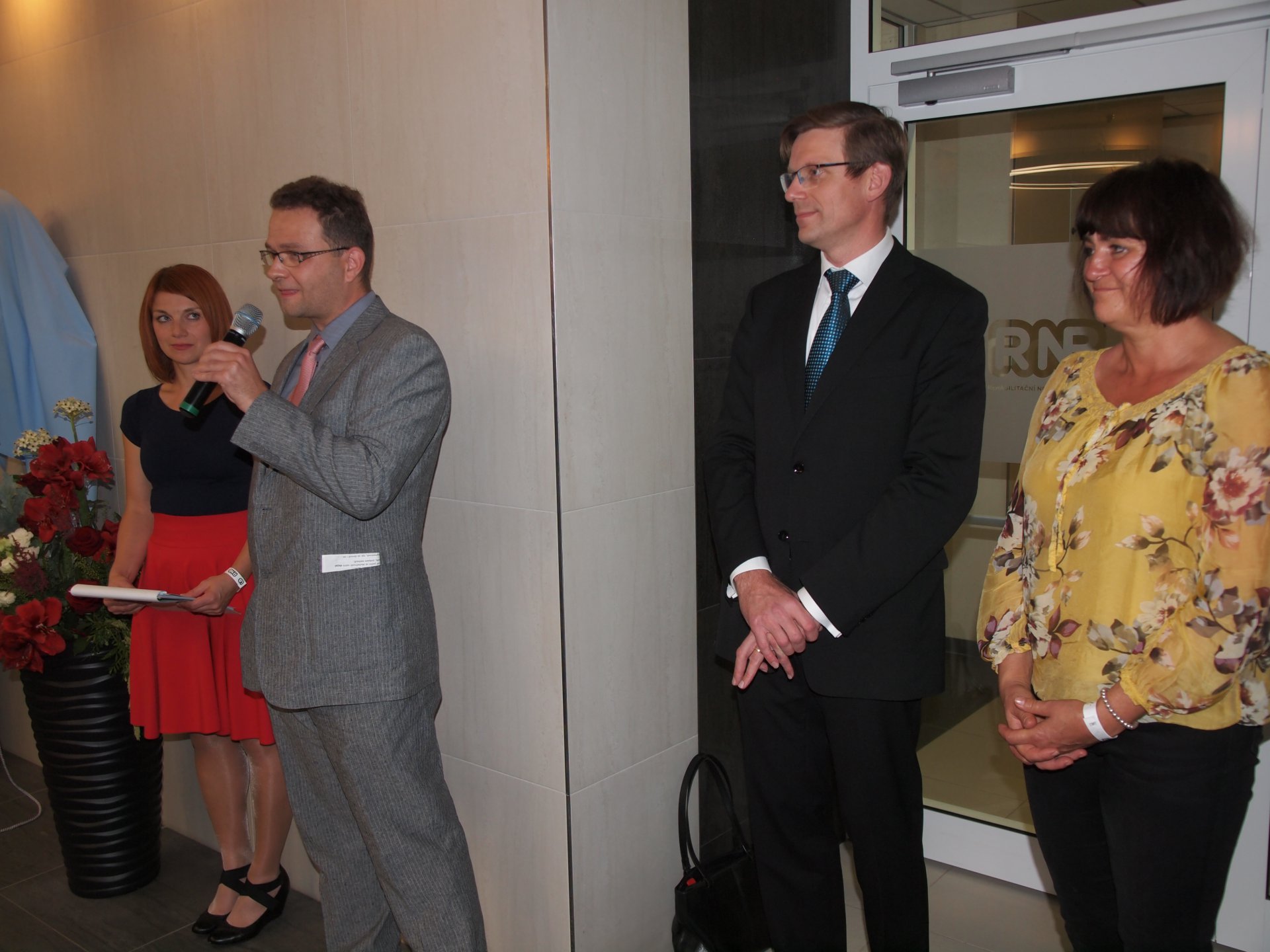
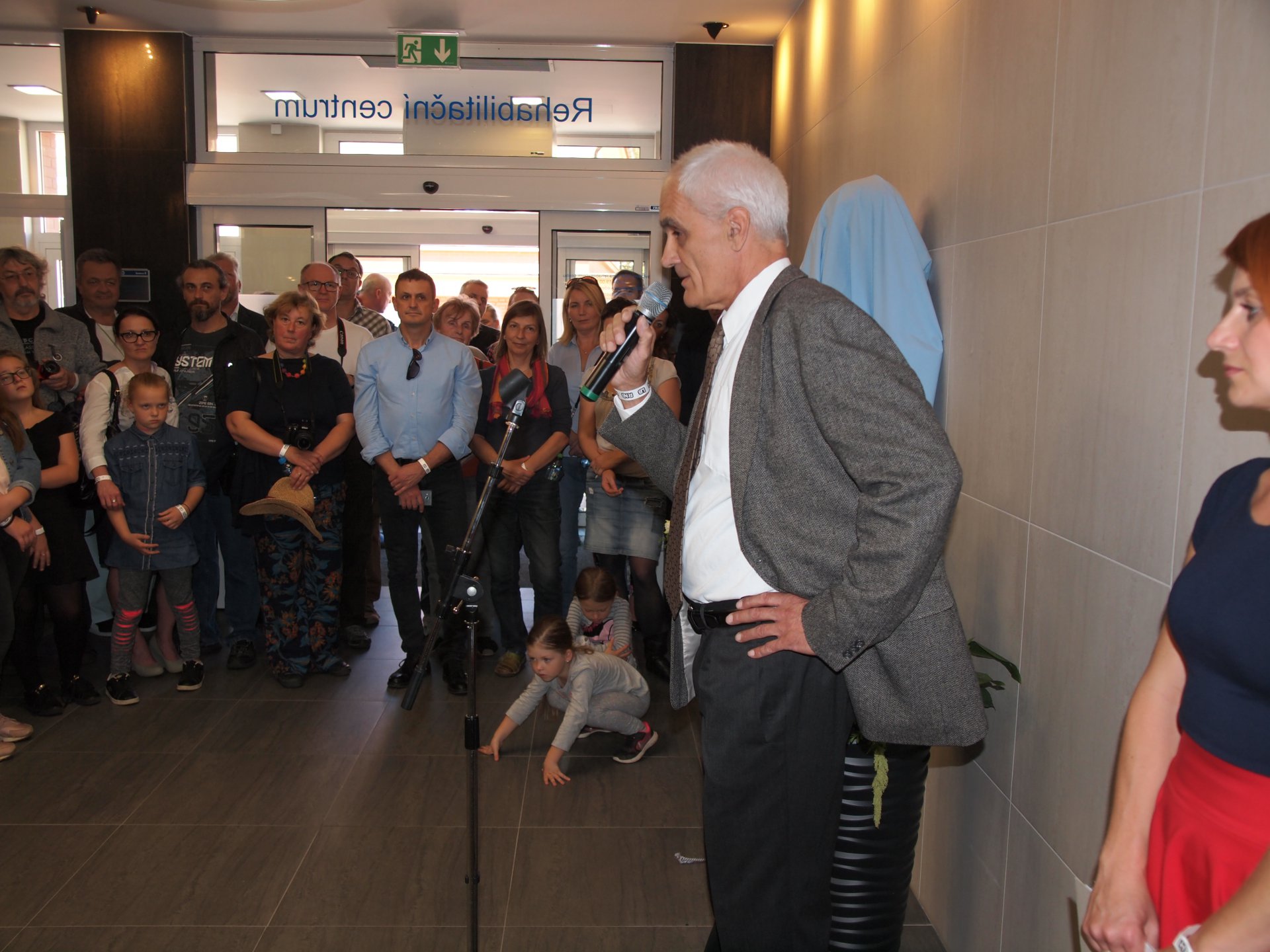
Since last Saturday, the main entrance to the Beroun Rehabilitation Centre has been adorned with a bronze bust of MUDr. Jan Calta, and from that same day his name has formed an integral part of this modern building. Dozens of people witnessed Saturday’s unveiling, including Dr Calty’s colleagues and family members. Mgr. Martin Kupka, Deputy Governor of the Central Bohemian Region responsible for healthcare, and MUDr. Ondřej Horáček, the current Chief physician of the Beroun Rehabilitation Centre, spoke about the life and work of MUDr. Jan Calta.
Speaking on behalf of Jessenia a.s., the company that operates the Beroun Rehabilitation Centre, MUDr. Martin Sklenář, MBA, highlighted the energy and drive that Dr Calta had shown in transforming the Beroun rehabilitation centre into the most modern facility of its kind in the Czech Republic. As he noted, Dr Calta “found ways even where others would no longer have looked, even if it sometimes meant hacking a path through dense thickets or overgrown jungle”. Proof of this is the establishment of the Comprehensive Oncology Centre of the Pardubice Region, which operates under the banner of Multiscan, a company of which he was the director. The way this centre is organised and managed is now held up as a model for how oncological care in the Czech Republic should be approached. Another of his “brainchildren” is this unique Rehabilitation Centre in Beroun. “Who would have thought that, ten years on, a facility that was more or less destined for the scrap heap would become one of the most sought-after inpatient rehabilitation centres in the Czech Republic?” remarked MUDr. Martin Sklenář. All three speakers, together with Ing. Sotirios Zavalianis, the owner of RN Beroun, took part in the unveiling of a bust and a commemorative plaque in honour of MUDr. Jan Calta. (see opening photo)
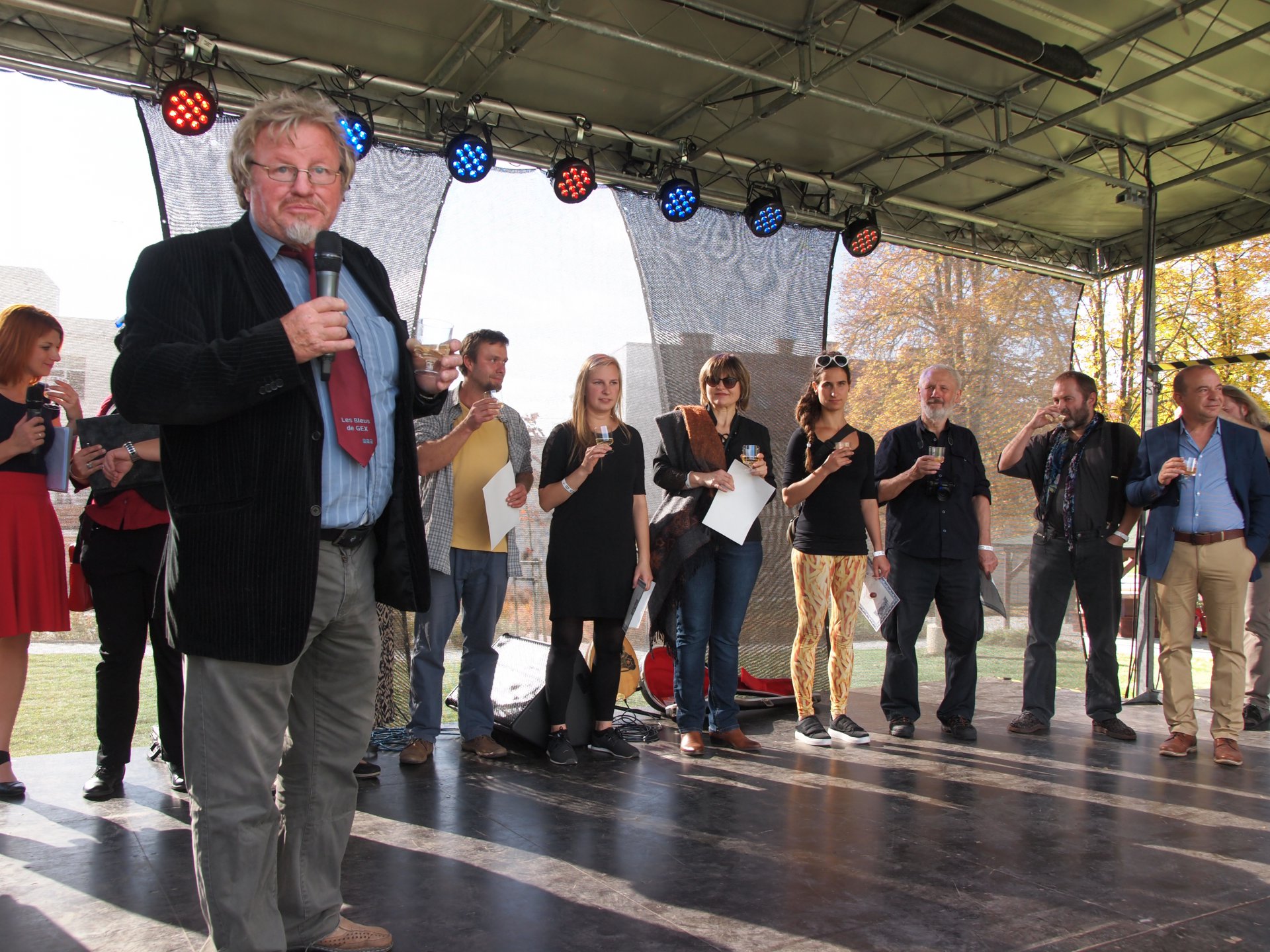
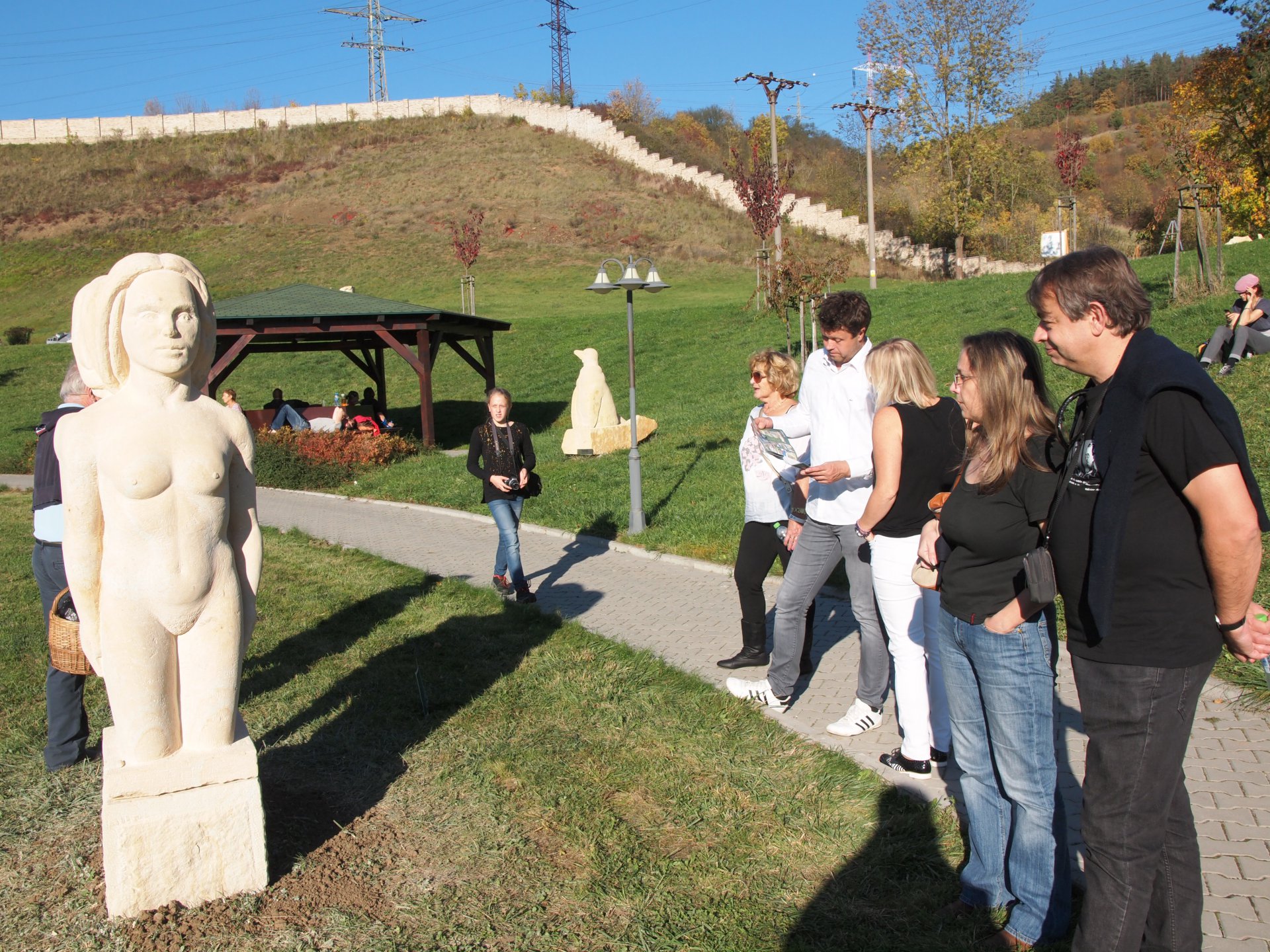
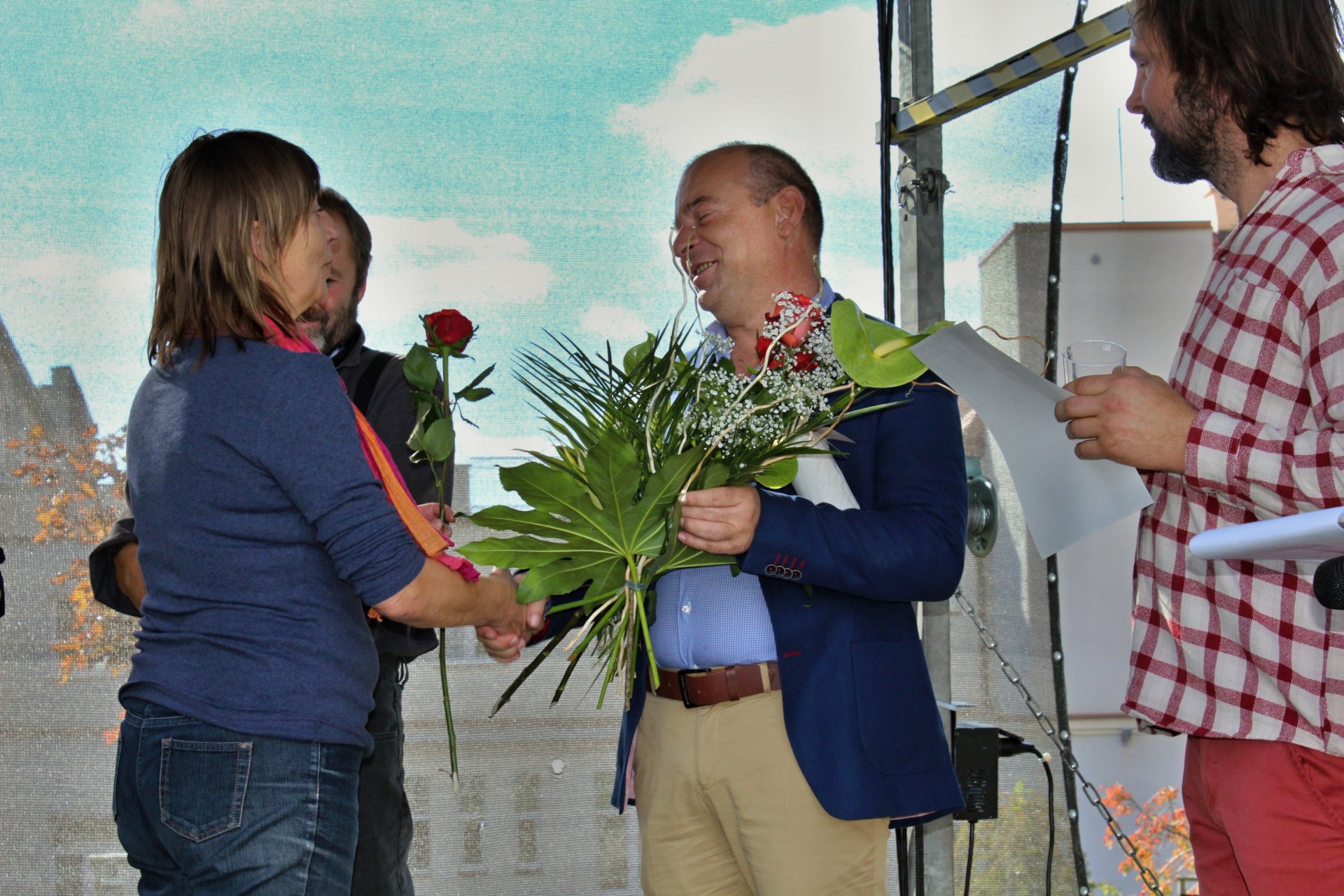
The hospital grounds served as the venue for another event on Saturday – the closing ceremony of the sculpture symposium – where Mr Zavalianis paid tribute to all the participating sculptors. The theme of this year’s symposium was motifs from ancient mythology. As the academic painter Václav Zoubek remarked, “Ancient inspiration has practically never disappeared from European culture. This made the task for the sculptors both simpler and more complicated at the same time. They could build on existing solutions or seek their own new approach to the theme.”
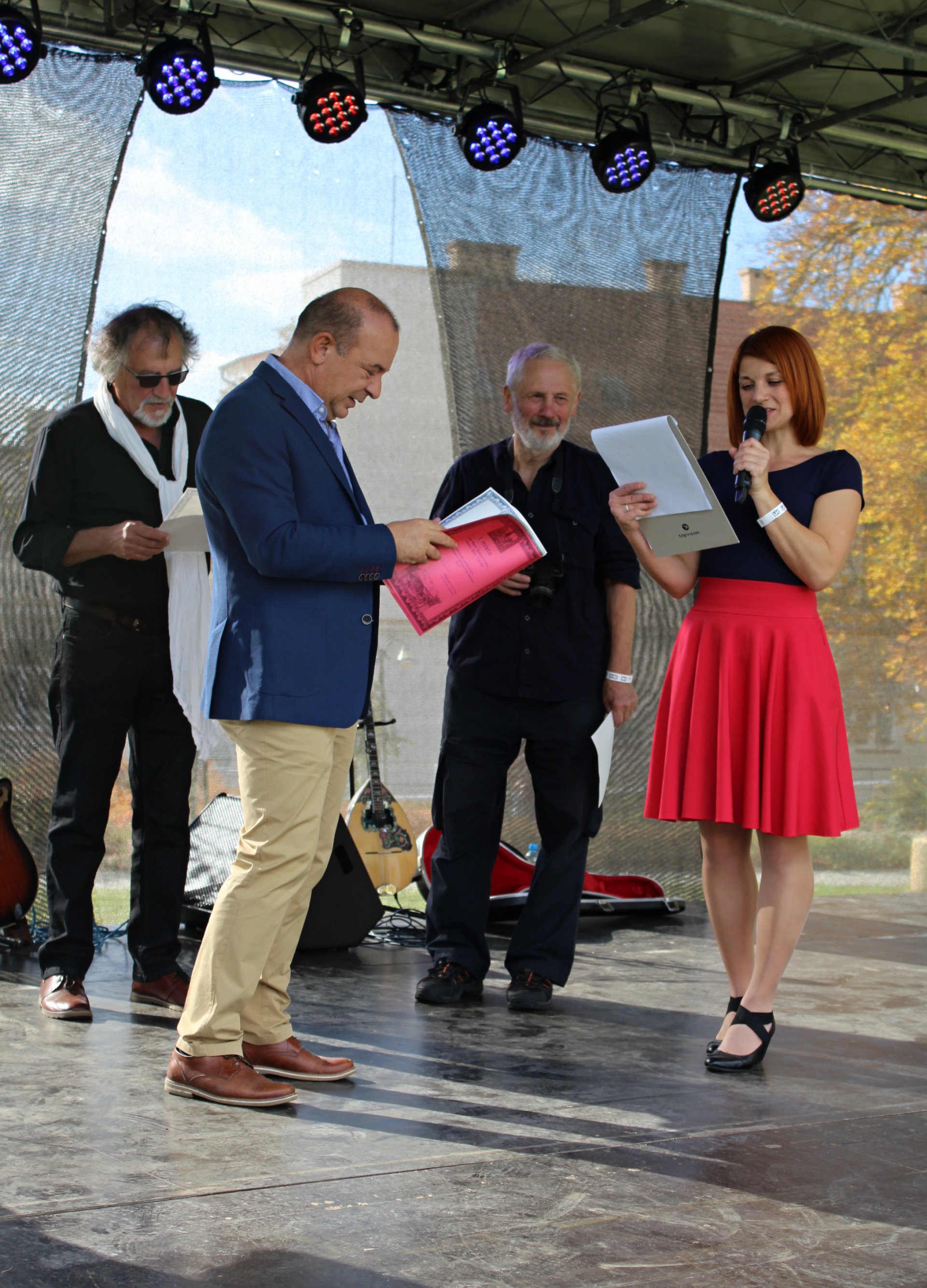
“It’s fantastic that someone buys a hospital and, to ensure the premises don’t look like barracks, beautifies them. And on top of that, a sculpture symposium is being held here to embellish the outdoor spaces. I would call it a message from Greek antiquity to the Czech lowlands. The bearer of this message is the owner of this Beroun peninsula, Ing. Sotirios Zavalianis,” said Prof. Kurt Gebauer, an academic sculptor, during the awards ceremony. “It seems the sculptures will not all be in a single fashionable style; they will be diverse, so there will be plenty to look at and discuss. It is good that young female sculptors are meeting here with more experienced sculptors, who have been through many sculpture symposia and projects,” added Prof. Gebauer.
The creator, patron and, indeed, the ‘soul’ of the second sculpture symposium is the artist Jiří Fürst, himself the creator of several original sculptures. “When I saw the restored park at Beroun Hospital a few years ago, I thought to myself, yes, this is a suitable place for our generation to leave a legacy of our own. This space just needs a good dendrologist, a landscape architect, fresh water and two or three dozen good sculptures,” he explains, describing how the idea for the sculpture symposium came about.
This year’s sculpture symposium was attended by the academic sculptors Robert Buček, Veronika Durová, Petr Fidrich, Kurt Gebauer, Žanda Gebauer, Jean-Paul Chablais, David Janouch, Josefína Jonášová, Juraj Plieštik and Marie Šeborová. Šárka Radová and Kateřina Strach Tichá were also guests at the symposium .
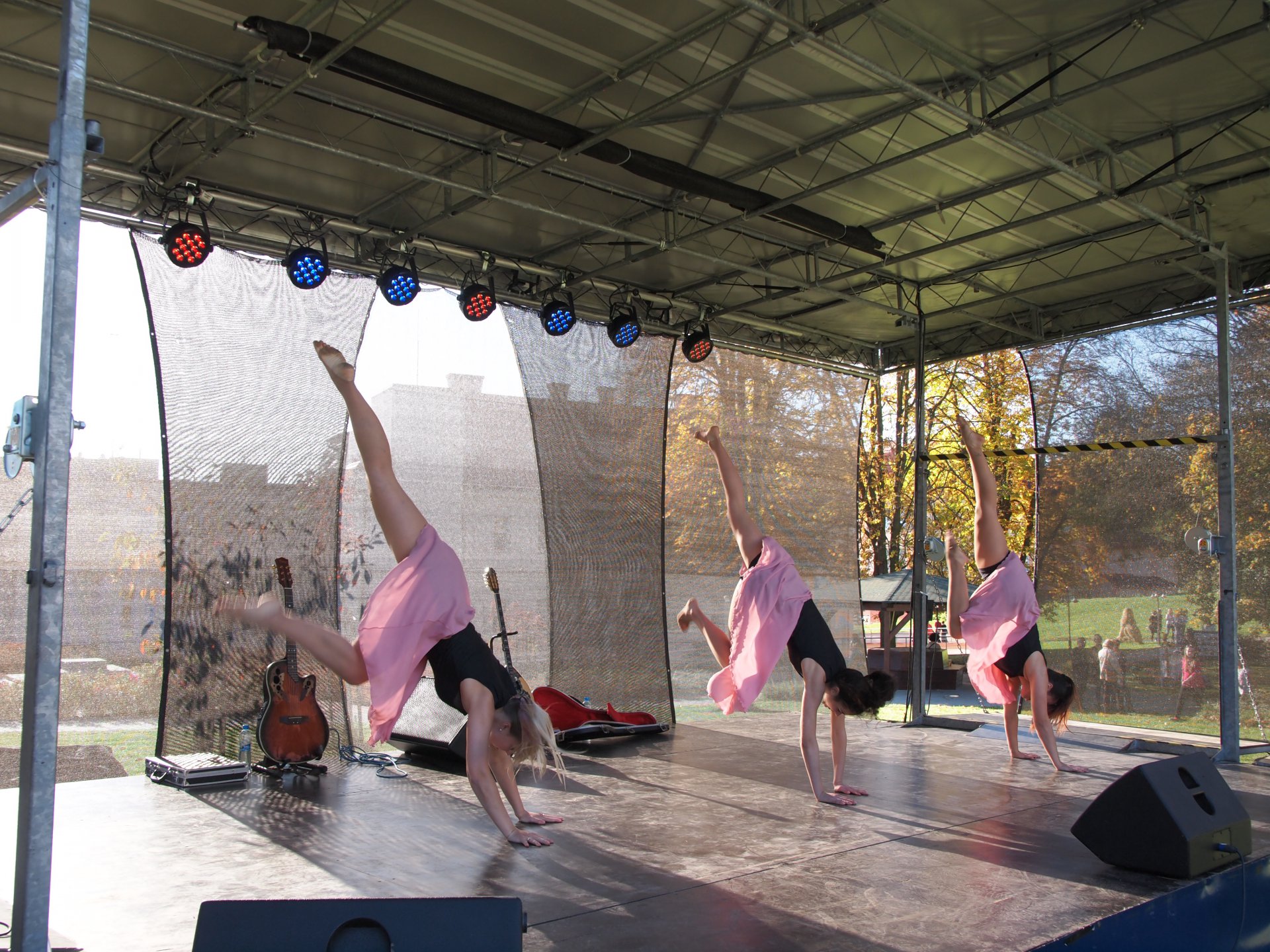
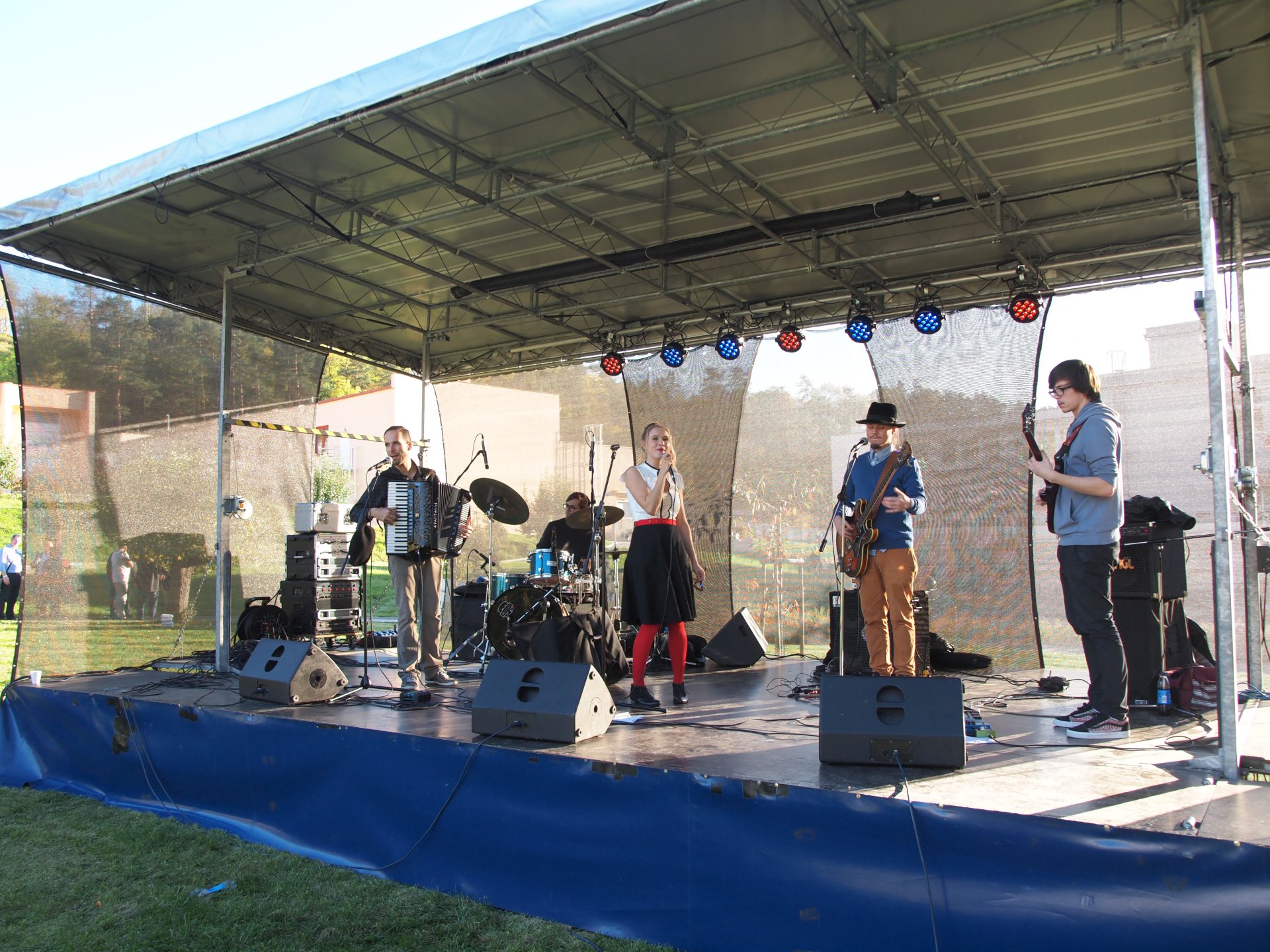
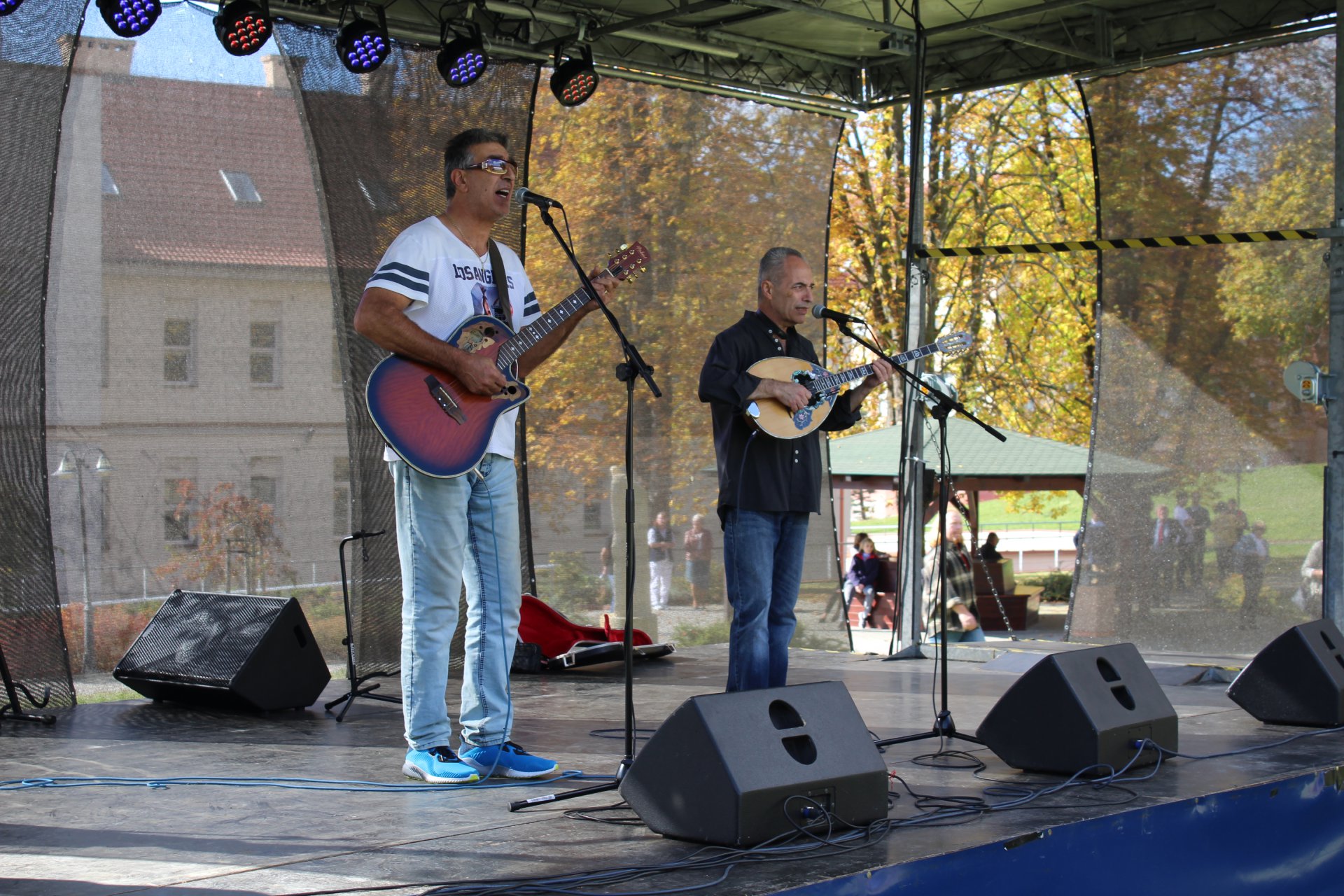
Guests were able to view not only the new sculptures carved from Hořice sandstone, but also paintings from the morning plein air painting session led by the academic painter Helena Slavíková Hrušková. They were also able to listen to Greek music performed by the duo from the band Poseidon, who were replaced in the late afternoon by the band Voila!, or enjoy music and movement through the modern expressive dance performed by members of the RytmusÚvaly dance group. (see photo gallery).