Česky
Česky


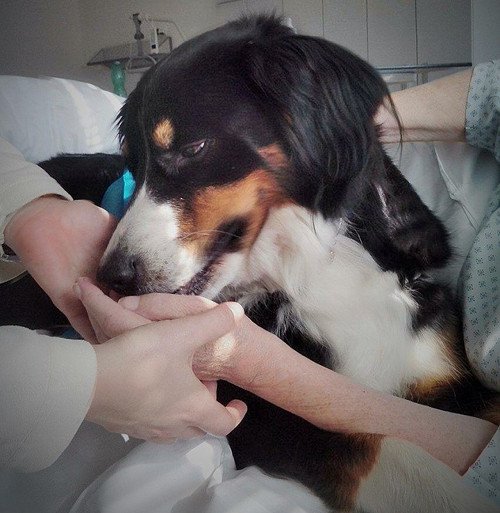
Most of those who have a four-legged canine friend at home will confirm that the saying "dog - man's best friend" is far from being a mere phrase. Every day a dog brings us benefit and joy in a thousand ways. And he repays a little of our kindness with endless amounts of love. When he lays his head in our lap and we bury our hands in his fur, it is just the right relief for our momentary problems, both physical and mental. For a dog is not like a human being - it does not count the wrinkles in our faces, it does not shy away from our illnesses, it does not reproach, it does not judge, it does not criticize. His eyes always say, "I love you, you are important to me!" And all this is basically what the method of canister therapy, the healing contact between man and dog, is based on. The first experience with canister therapy has already been gained at the Rehabilitation Hospital Beroun, where this method has become part of occupational therapy as a supporting therapy in complex rehabilitation. Why this one? One occupational therapist has canister therapy training and a trained dog. For the time being, she is visiting patients in the aftercare ward, but in the future, canister therapy in a group is also planned for patients of the Rehabilitation Centre.
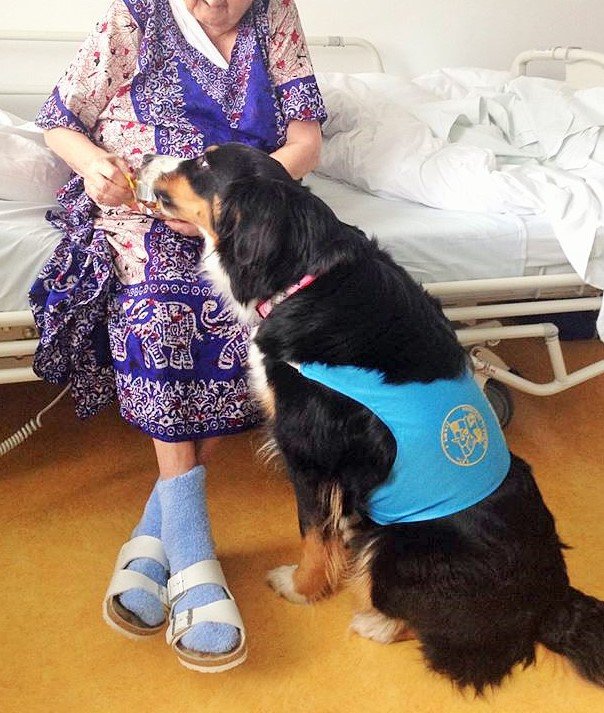
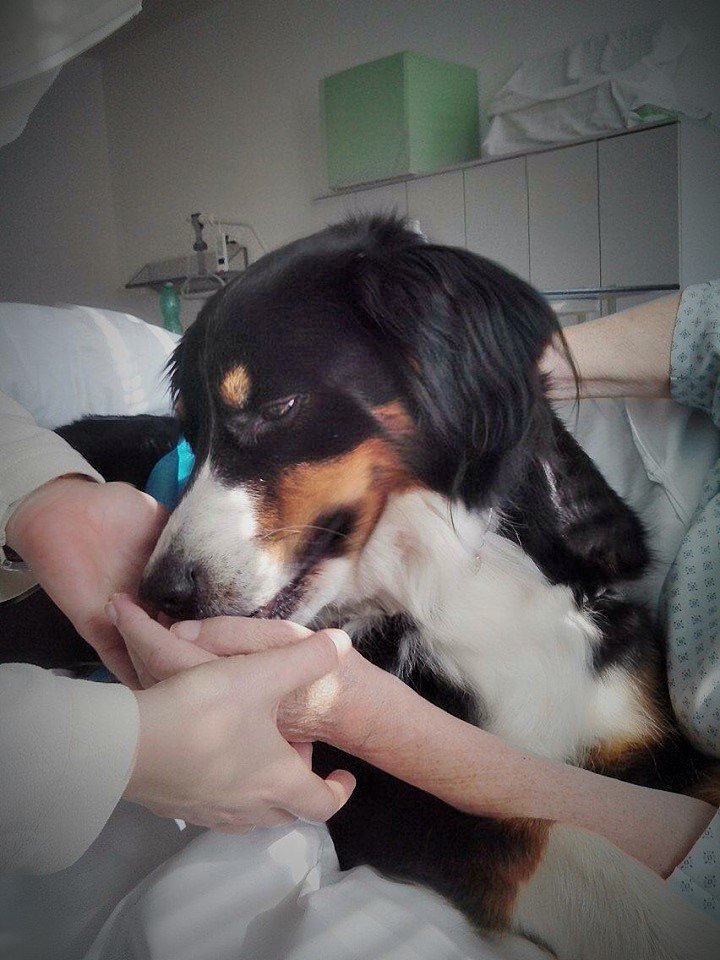
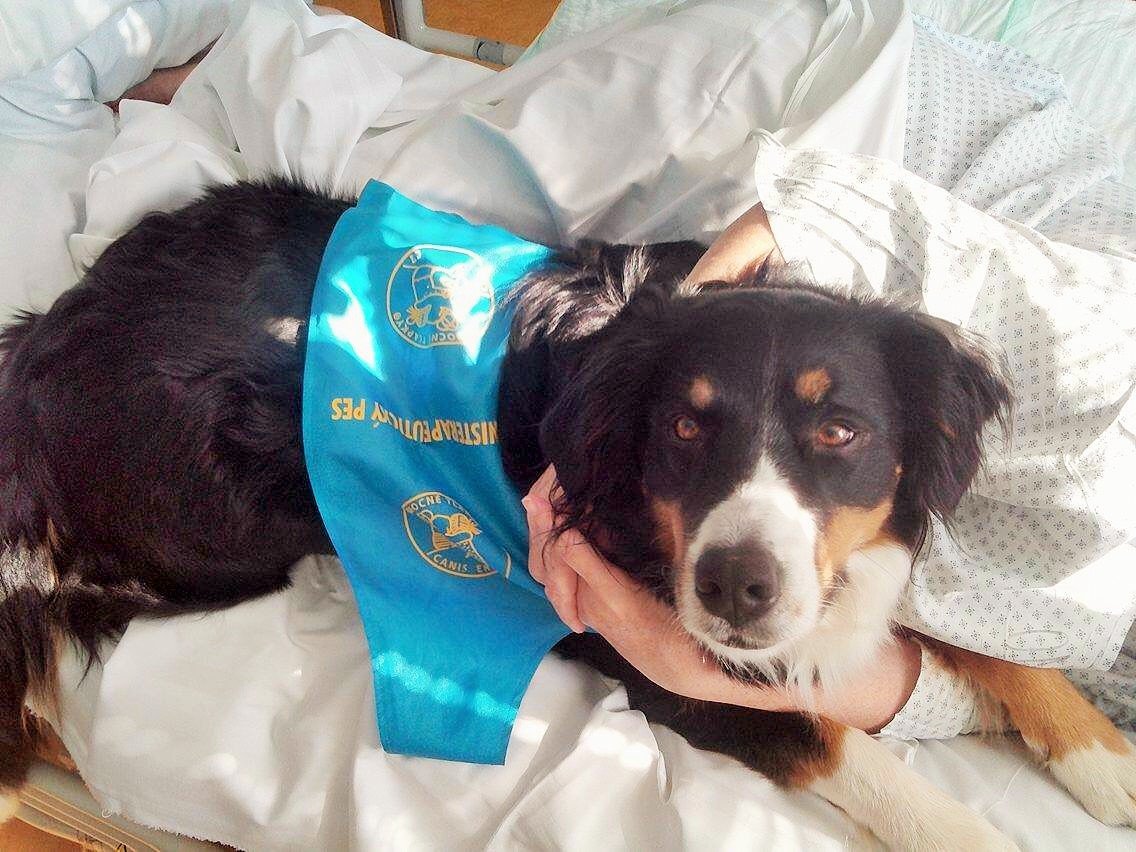
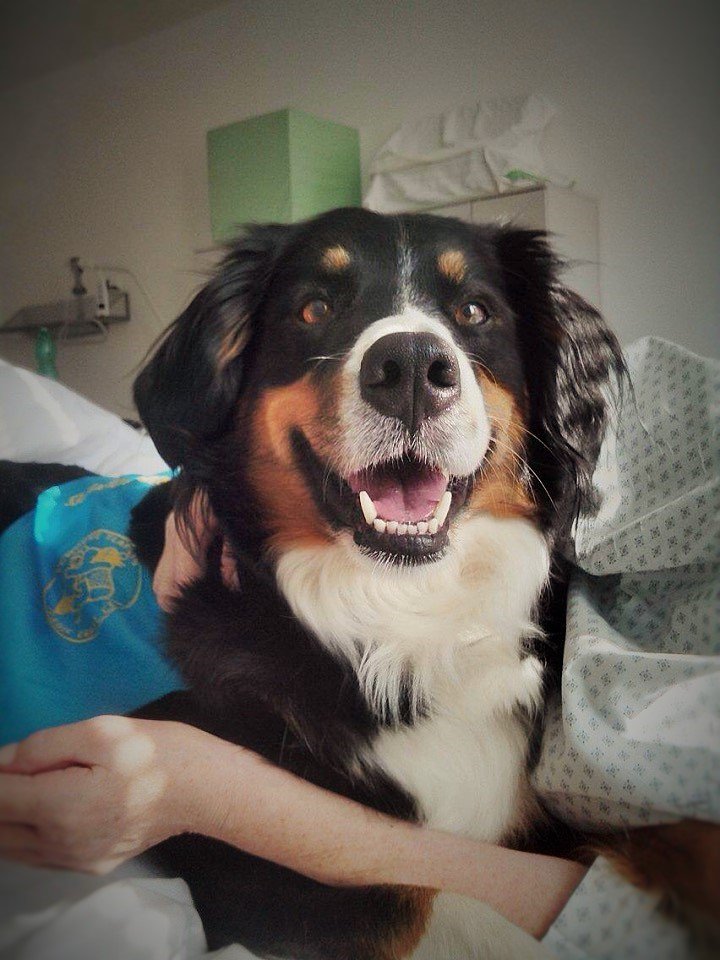
Although normally dogs are not allowed in the hospital, now a beautiful and sweet Border Collie named Sisi is starting to make occasional appearances, and soon another one with the same poetic name Mia will be joining her. Now she and her handler come here mainly as a "visit" for pleasure, but with the stated gradual goal of treating some health problems. Yes, canister therapy is a proven supportive rehabilitation method, which, as we know, has many possibilities and forms. And just to give you an idea: a very important and successful method in canister therapy is, for example, positioning, but not only that.
Of course, everything has its own strict rules. "The dog must be under veterinary control, has the special required training and the canister therapist works with it only if both the animal and its handler are in optimal mental and physical condition, that's the basis", says Pavla Košková, head occupational therapist at the Rehabilitation Centre and adds that canister therapy is carried out only by agreement and with the consent of not only the treating doctor but also the patient. The canine assistant always sets the goal of the therapy and, of course, after the therapy is completed, together with the attending physician and the staff, evaluates the effect of the dog's "visits" on the patient. So far, the first experiences show that the inclusion of canister therapy as one of the supportive rehabilitation methods was a good decision. And we are at the beginning....