Česky
Česky


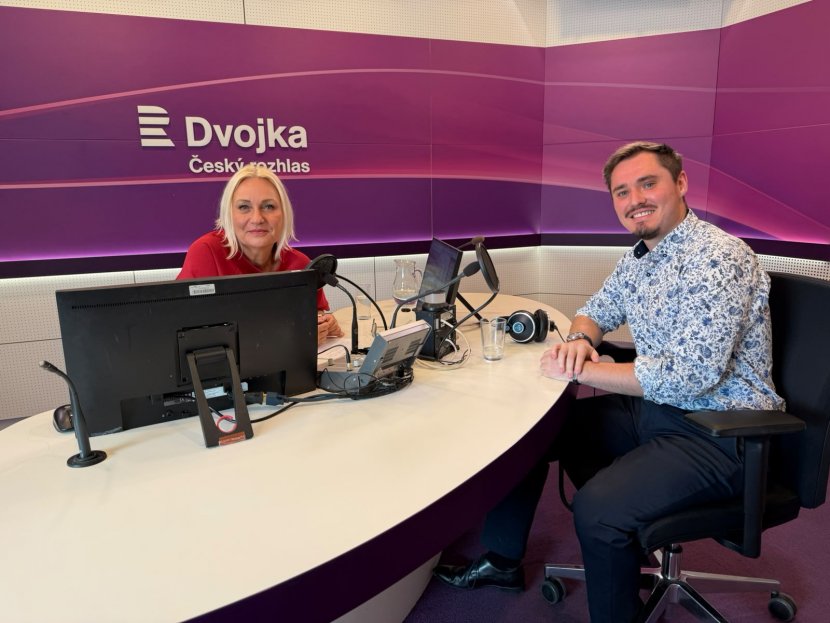
Active movement and targeted physiotherapy remain the cornerstone of treatment for musculoskeletal pain. For patients for whom exercise therapy is insufficient – whether because they are unable to undergo rehabilitation due to pain, or because the exercises themselves do not provide sufficient relief – interventional rehabilitation comes into play.
The key tool in this method is ultrasound, which allows for highly accurate imaging of muscles, nerves, tendons and joints, and enables a diagnosis to be made on this basis. Subsequently, a targeted procedure can be carried out under ultrasound guidance, such as the administration of an anti-inflammatory drug directly to the affected structure. This increases both the safety and effectiveness of the procedure compared with traditional ‘blind injections’.
Interventional rehabilitation is used, for example, in cases of osteoarthritis of the knees and hips, carpal tunnel syndrome or a herniated disc. The aim is not to eliminate the pain entirely, but to break the vicious cycle where pain prevents sleep and rehabilitation – thereby enabling the patient to return more quickly to a healthy exercise regime.
You can listen to an interesting interview about this modern method here.